
Between September 6th and September 16th 2026, I cycled around part of the Netherlands, both along the coast and inland. The goal of my trip wasn’t about covering as much area as possible or a sportint challenge. I chose to cycle simply to slow down: to avoid urban areas and highways, to be in nature as much as possible, outside the fringes of densely populated areas. To discover how much nature there still is in the Netherlands, and to share it with you through my photography. Here goes.
To make the most of my trip, I divided it into 5 parts, each consisting of 2 overnight stays near different nature reserves. This would give some time around each of the locations, to explore on different times of the day, in different conditions, and so on. I chose the 5 locations based on intuition: I already had at least somewhat of a personal connection with 4 of the 5 areas, while I was mainly curious about the last one. The bicycle rides between each location through were planned through nature and countryside as much as possible, which worked out surprisingly well and looked something like this:
N.B: I’ve added some information about my ‘setup’ for this trip at the end of this travelogue; the bicycle I used, how I packed it and all of the camera gear I used.
Part 1: Amsterdamse Waterleidingduinen
Ok, time to get into the trip! On sunday September 6, I took off for the first part of the trip, cycling from The Hague where I live, to Vogelenzang, where I would stay for 2 days nearby nature reserve the Amsterdamse Waterleidingduinen.
The coastal route
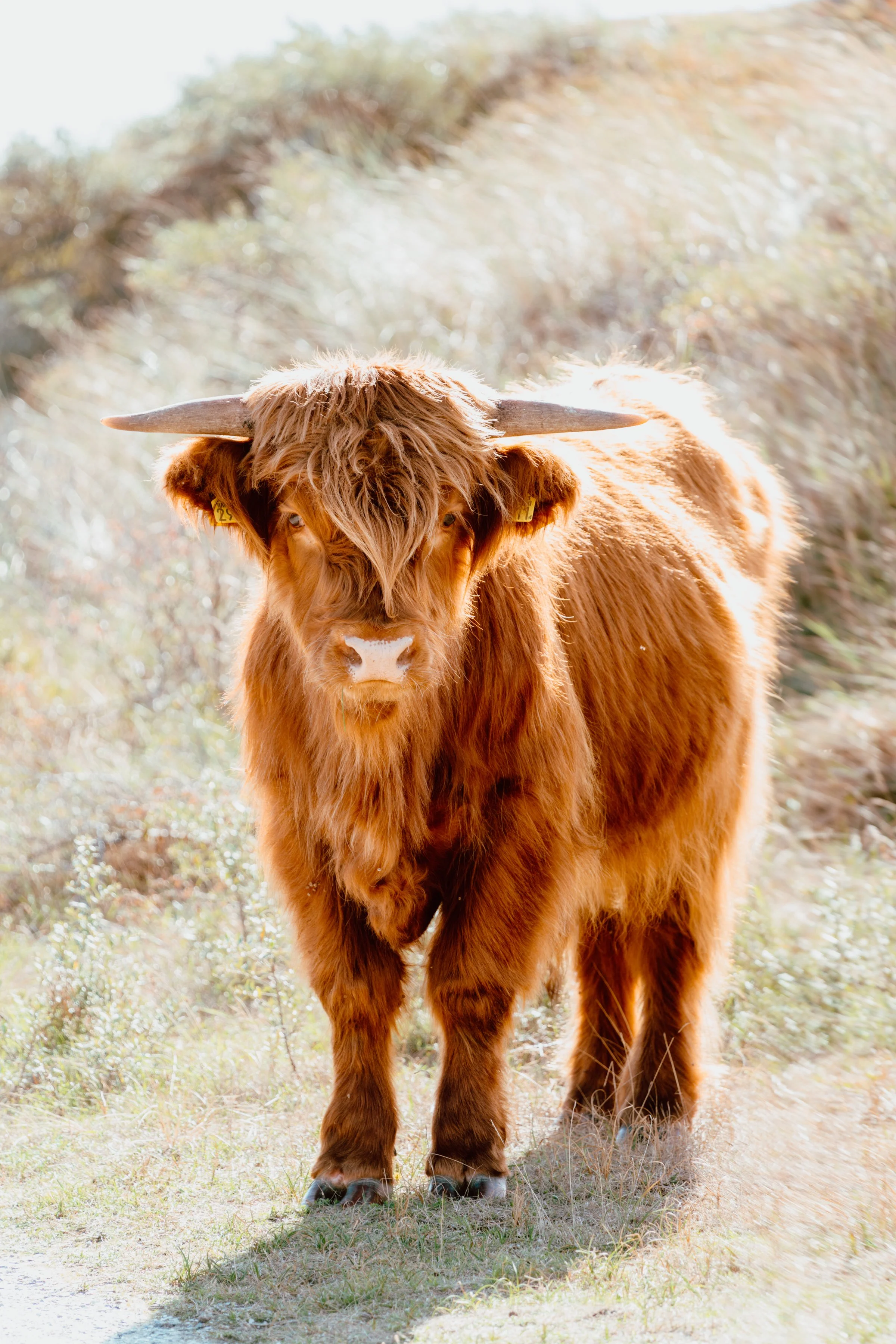
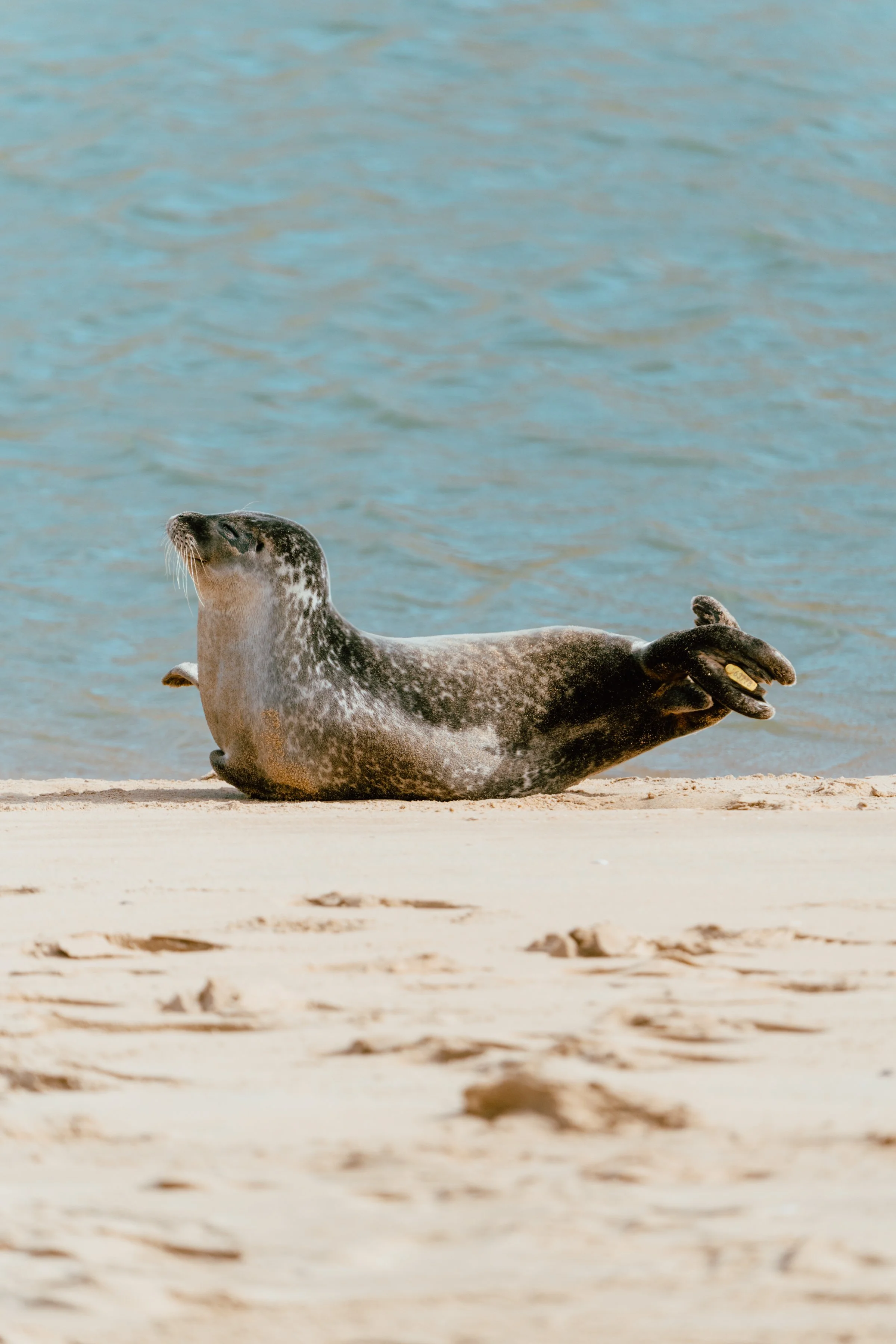
Travelling north along the coast, I followed the LF coastal route as much as possible, cyclying into the dunes at nature reserve Meijendel and following the coastal route from there to Wassenaar, Katwijk aan Zee and Noordwijk. Sadly, I didn’t took many photos along the way, because this truly is an amazing route. The dunes and forestial parts along the route are beautiful and there is plenty to see along the way, like some of these beautiful Highland cows near Wassenaar and a couple of seals sunbathing at the inland waterway in Katwijk aan Zee:
Exploring the Amsterdamse Waterleidingduinen
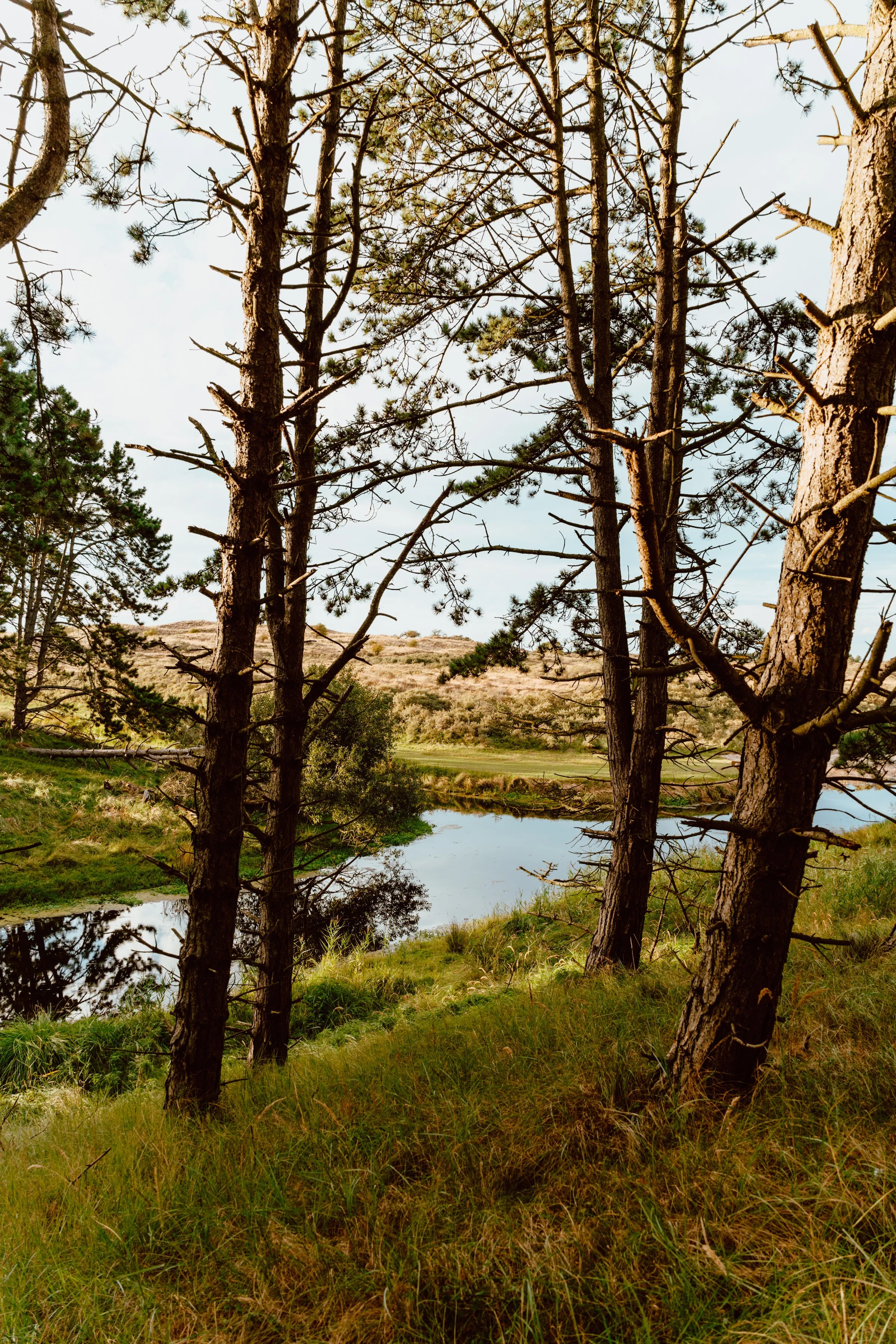
Once I made it to the AirBNB I’d booked in Vogelenzang, I made my way into the Amsterdamse Waterleidingduinen straight away the first evening and went again the next morning. If you don’t know the AWD at all; it’s a a protected coastal dune area between Zandvoort and Noordwijk that purifies about two-thirds of Amsterdam's drinking water, about 3.400 to 3.500 hectares of dunes and forests that houses a large population of fallow deer as well as many species of birds and plenty of foxes. It’s popular amongst (wildlife) photographers especially for its fauna, which tends to be easier to approach and photograph than elsewhere. Here’s some of my captures from hiking around the area during my time there:
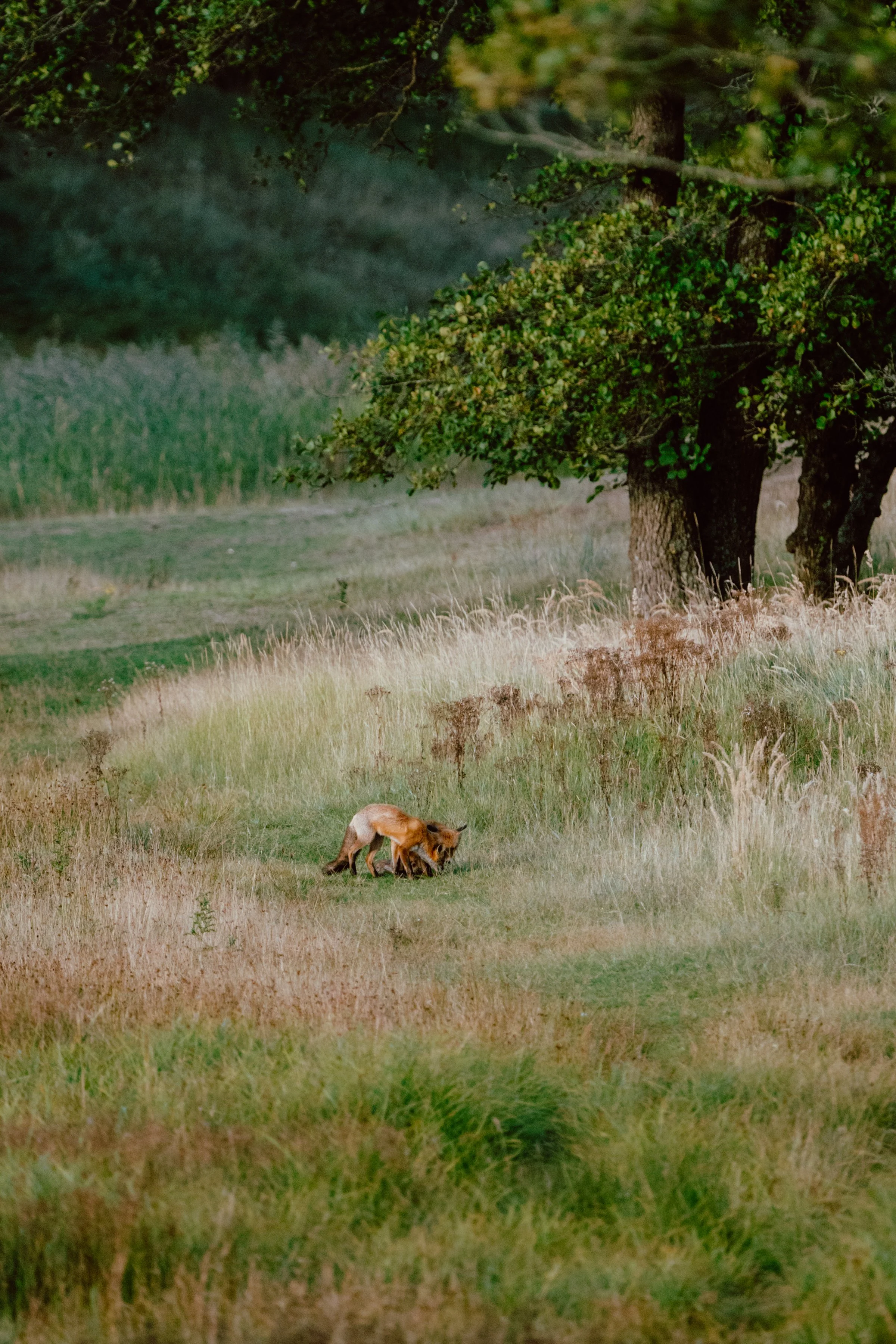
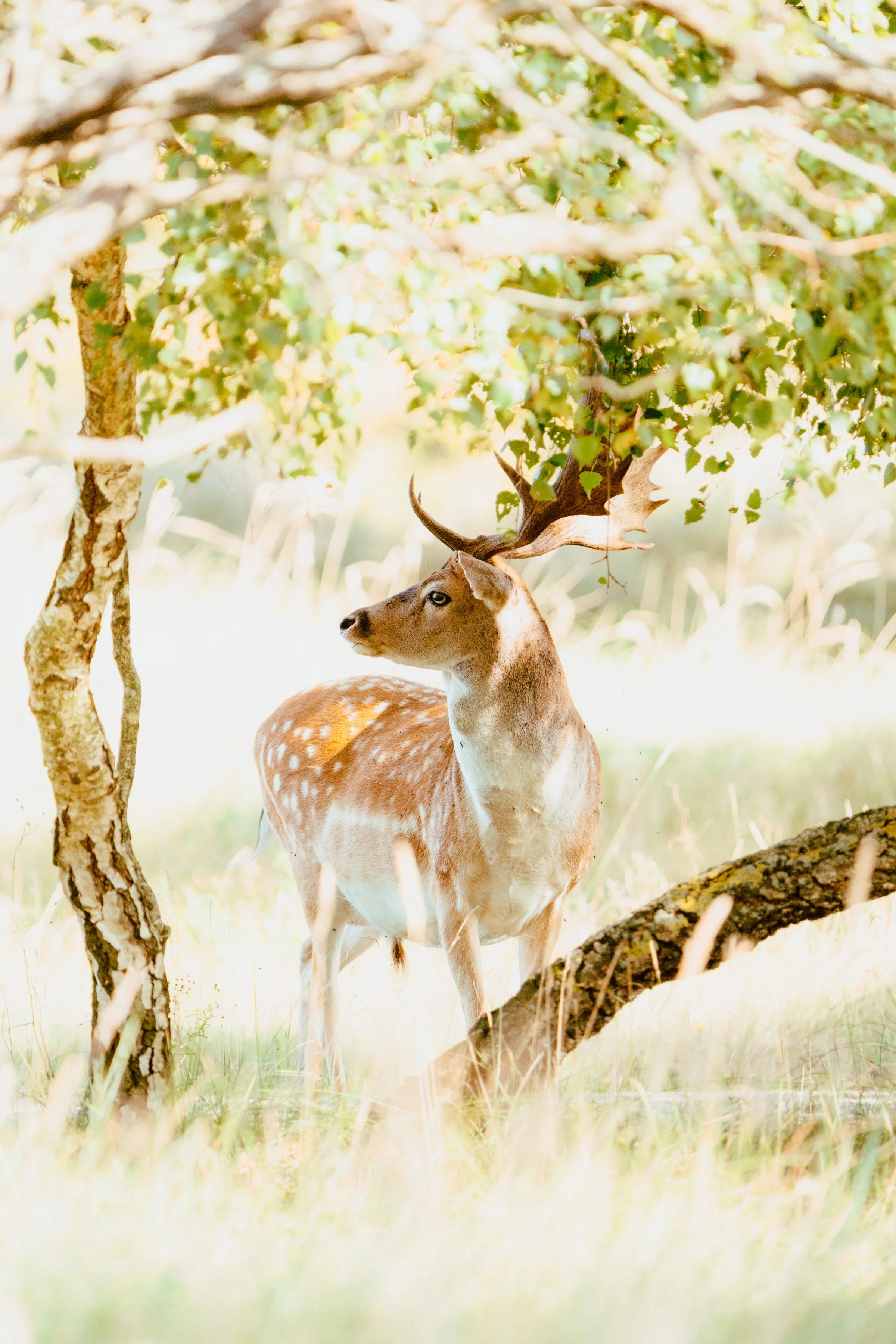
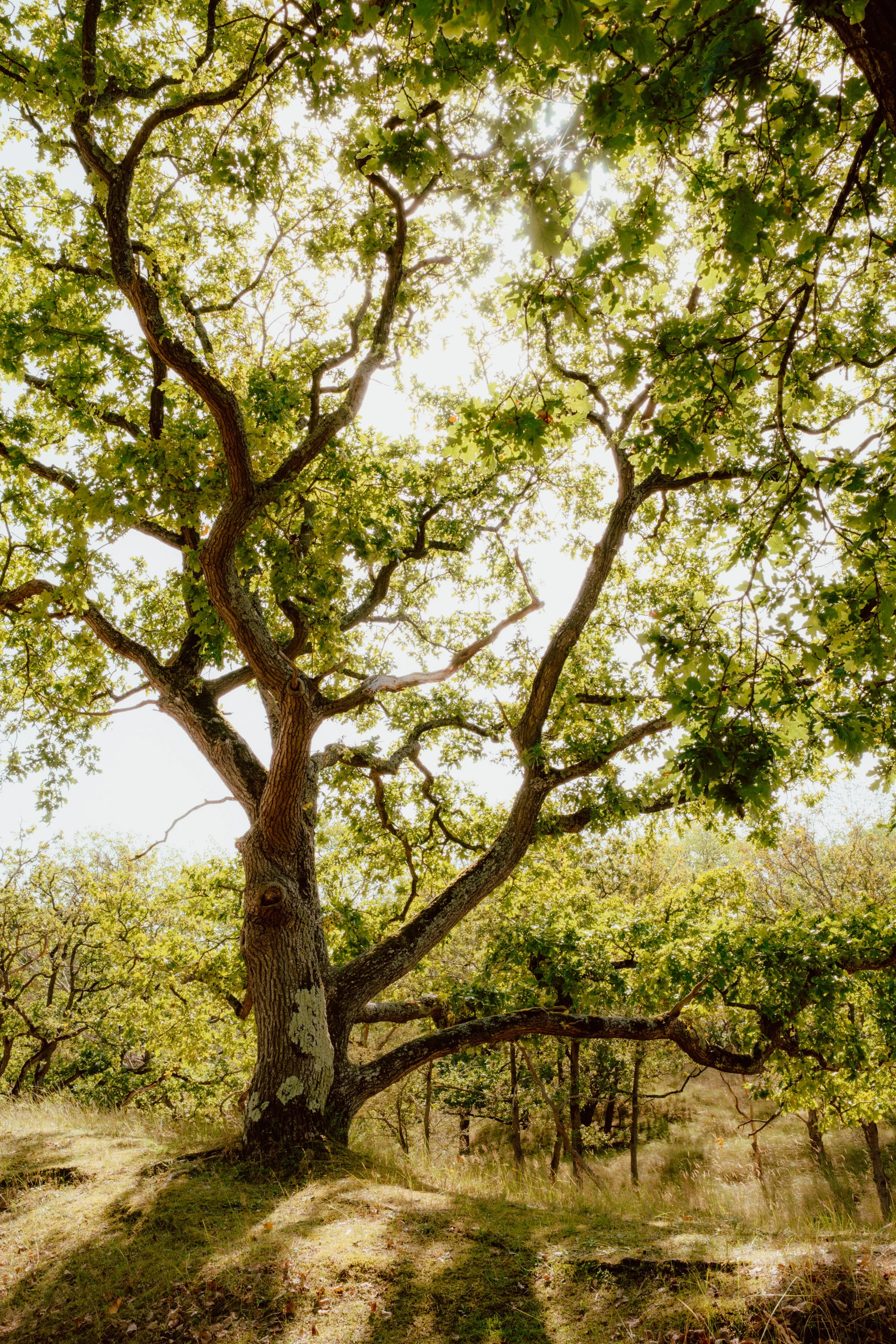
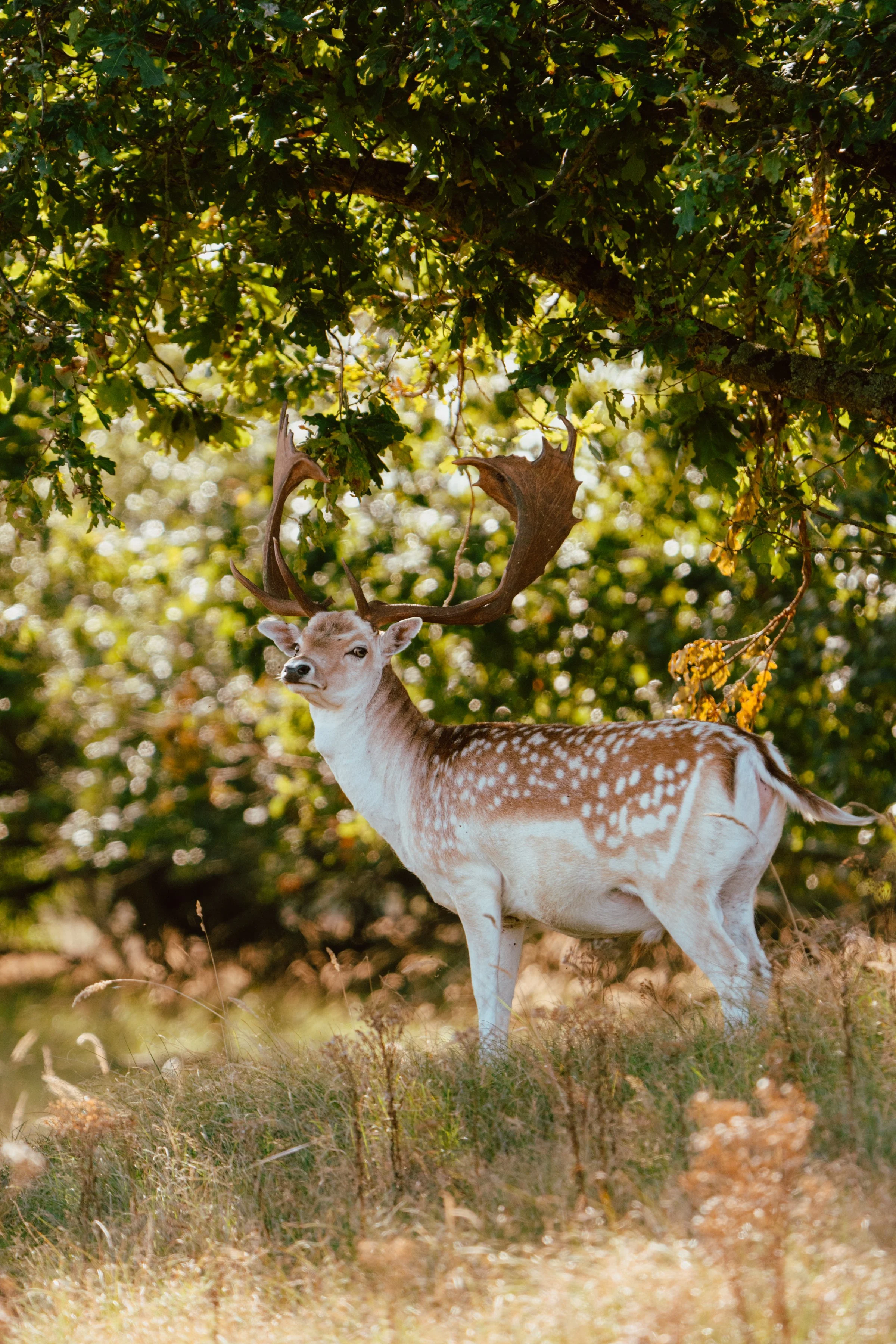
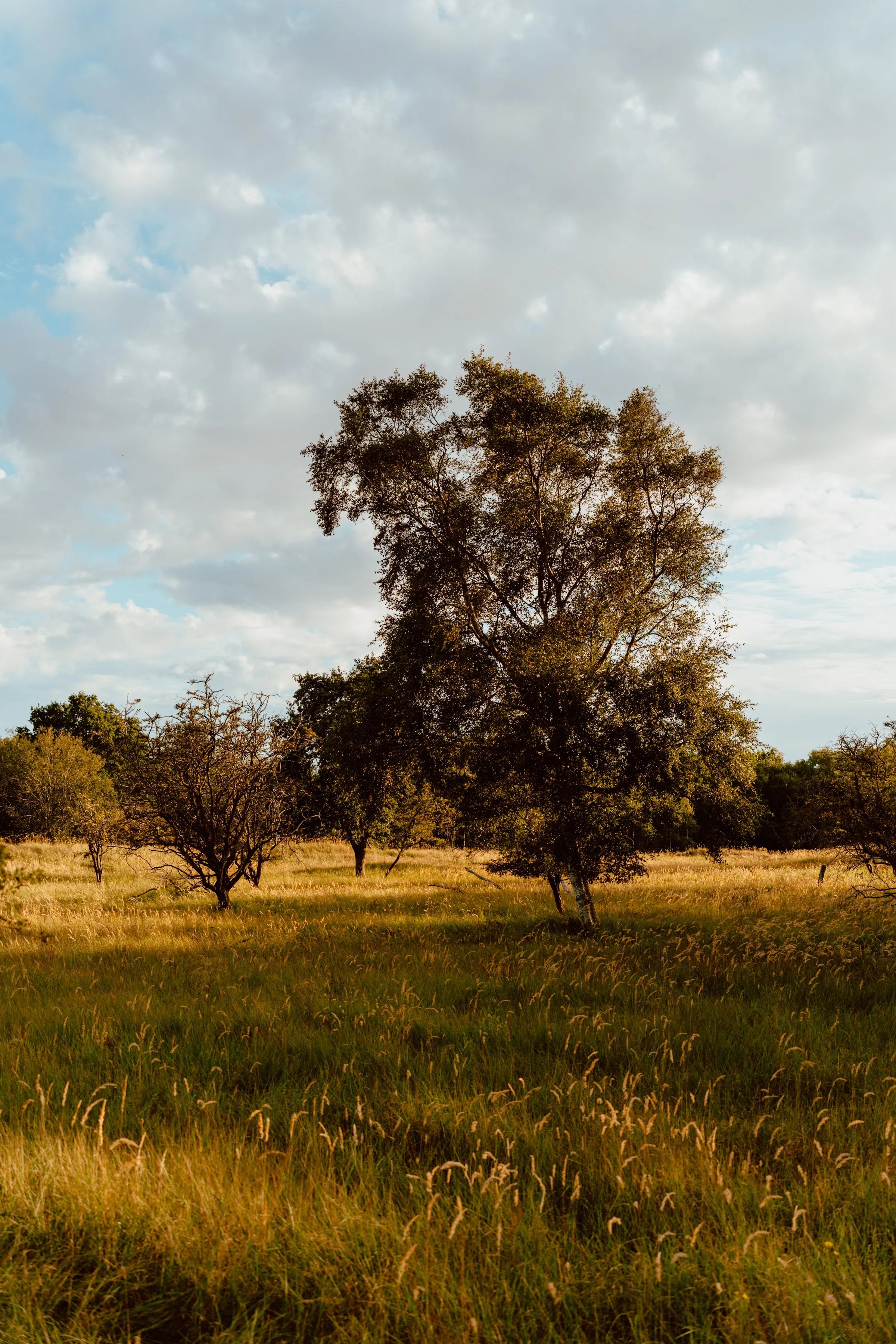
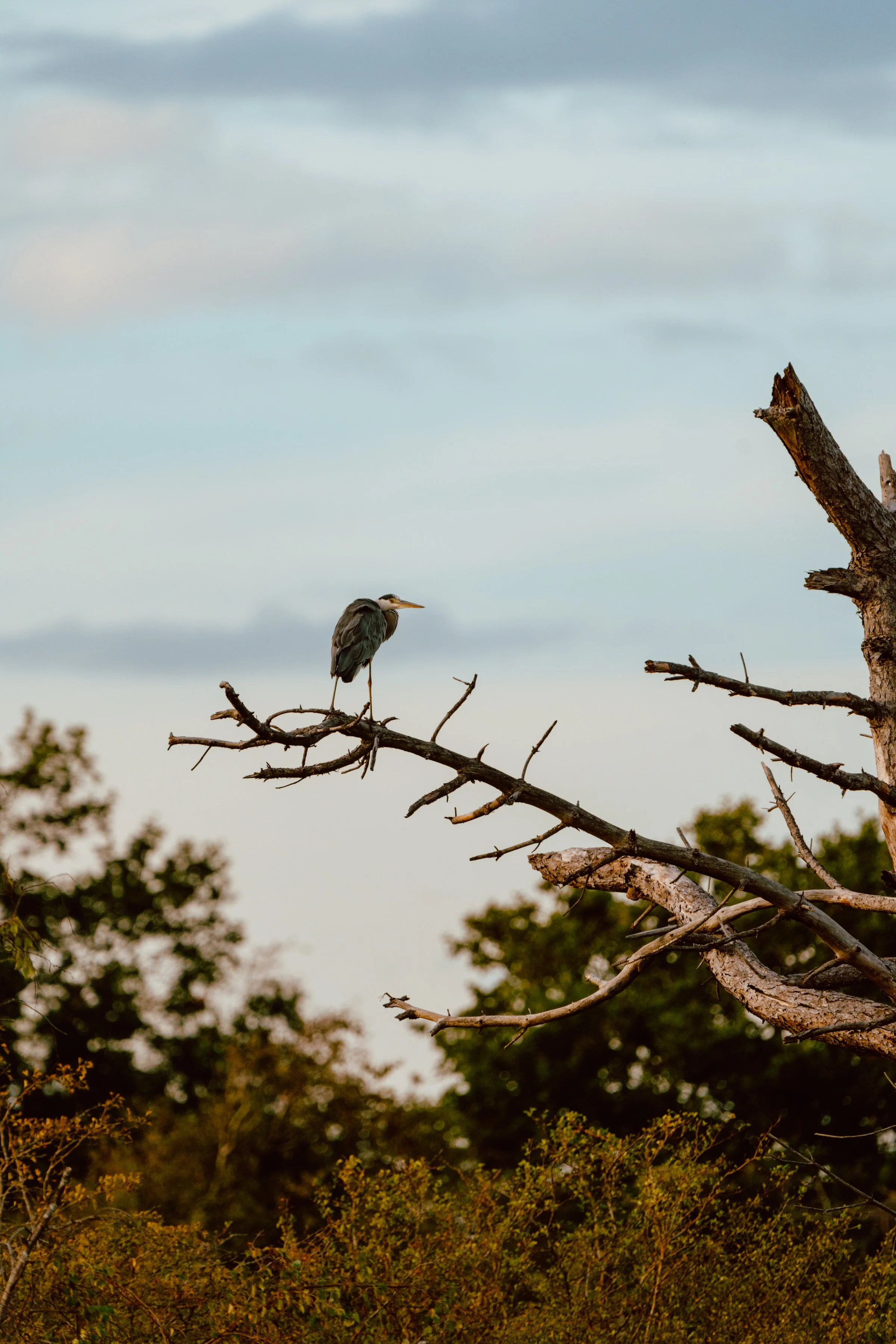
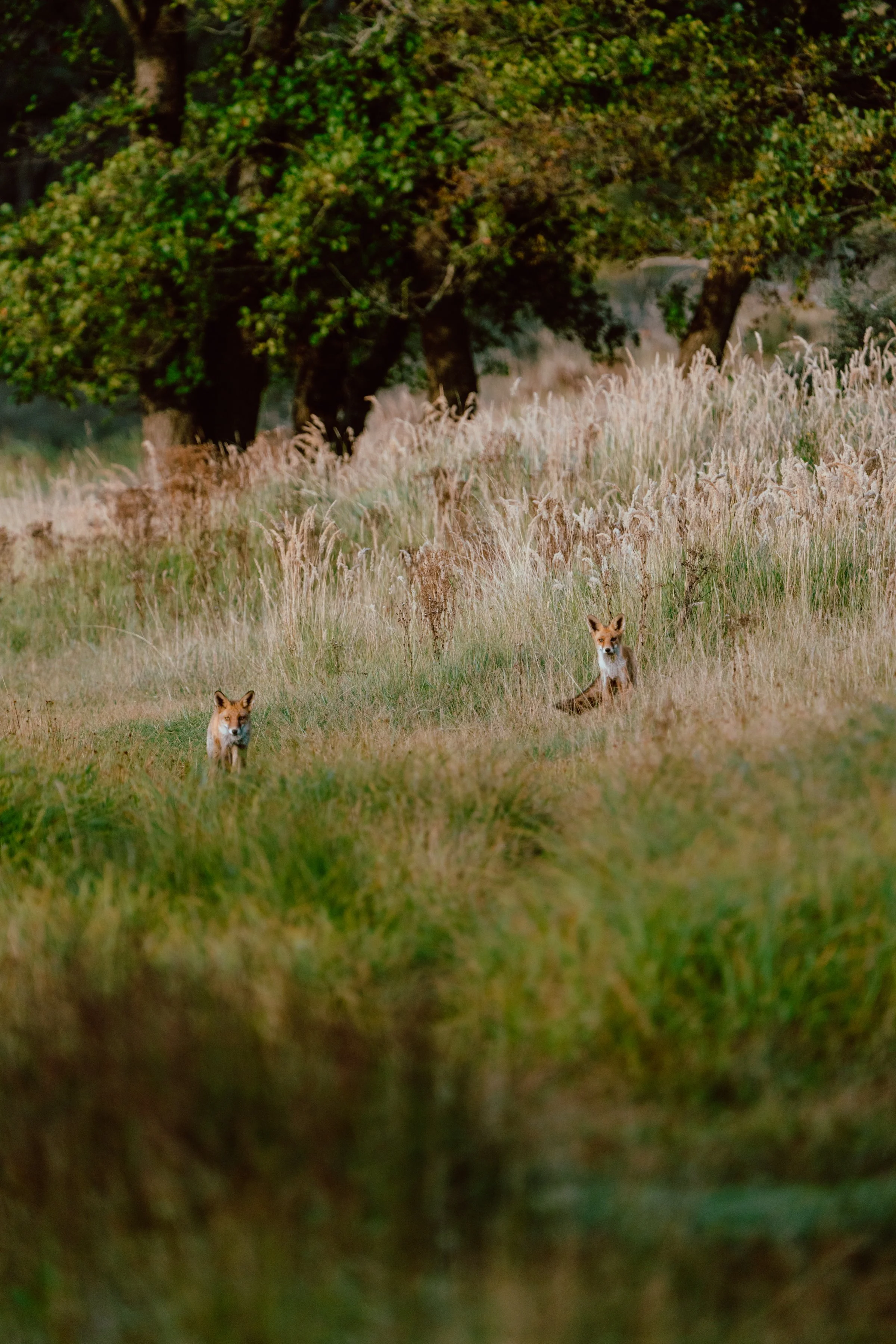
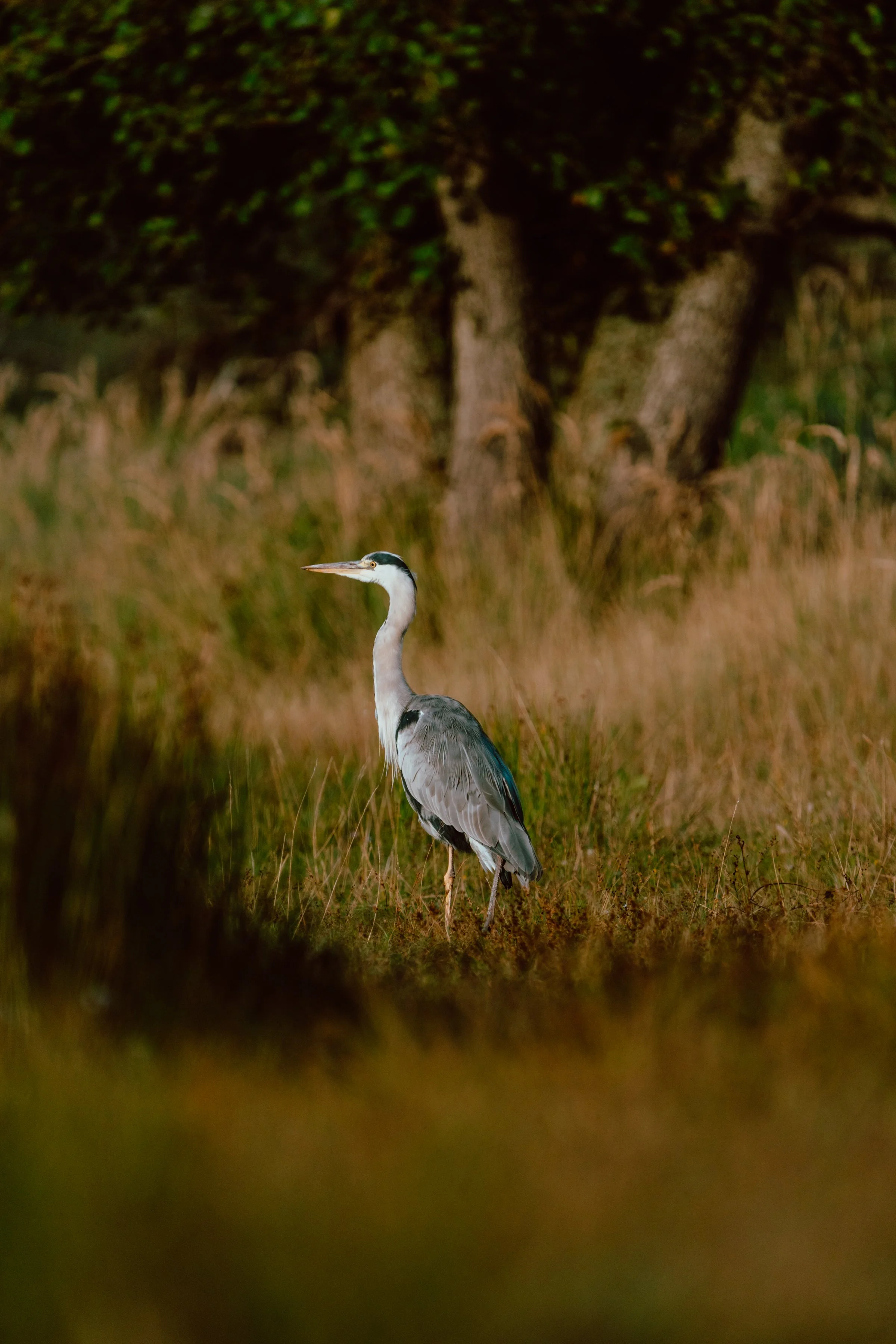
The AWD truly is a very unique natural area in the Netherlands. I wouldn’t know any place where you’ll find as much wildlife, birds, insects and whatnot all together in a single spot, combined with beautiful trees and waterways. That said, it’s also good to be aware it’s only accessible on foot and with summerlike temperatures and a heavy camerabag, it’s a proper workout getting around in this huge reserve. After 2 visits and many hours of hiking within 24 hours, I was ready for a slightly less intense afternoon and evening program on the 2nd day of my trip. So I took only a small camera and lens and cycled around the wider area to explore the seaside town Zandvoort and surrounding villages.
Part 2: Schoorlse Duinen
After two nights near the AWD, I got ready to move on to the 2nd stop of my trip further up the coast in Schoorl, right on the edge of nature reserve the Schoorlse Duinen. I know the area quite well, having fallen in love with the vast dune area with its varied landscape and beautiful viewpoints, over many visits here over the years. I was looking forward to a few days here by myself with nothing else to do than wander around and take in the scenery.
Second leg of the coastal route
Day 3, the day of my 60km cycling trip getting to Schoorl from Vogelenzang, started with heavy rains, that would turn out to keep going nonstop for well over 24 hours. Prepared for dutch weather, I packed everything in plastic garbage bags, put on my rain suit and get going for the second leg of the coastal route through national park Zuid-Kennemerland and into the Noordhollands Duinreservaat, with a ferry passing over the Binnentoelatingskanaal at IJmuiden along the way. Due to the weather and all of my gear packed up safely in plastic I wasn’t able to capture the scenery that day, which was unfortunate, because even in the pouring rain, it was amongst the prettiest parts of the route on my trip. I will absolutely cycle it again sometimes in hopefully better conditions.
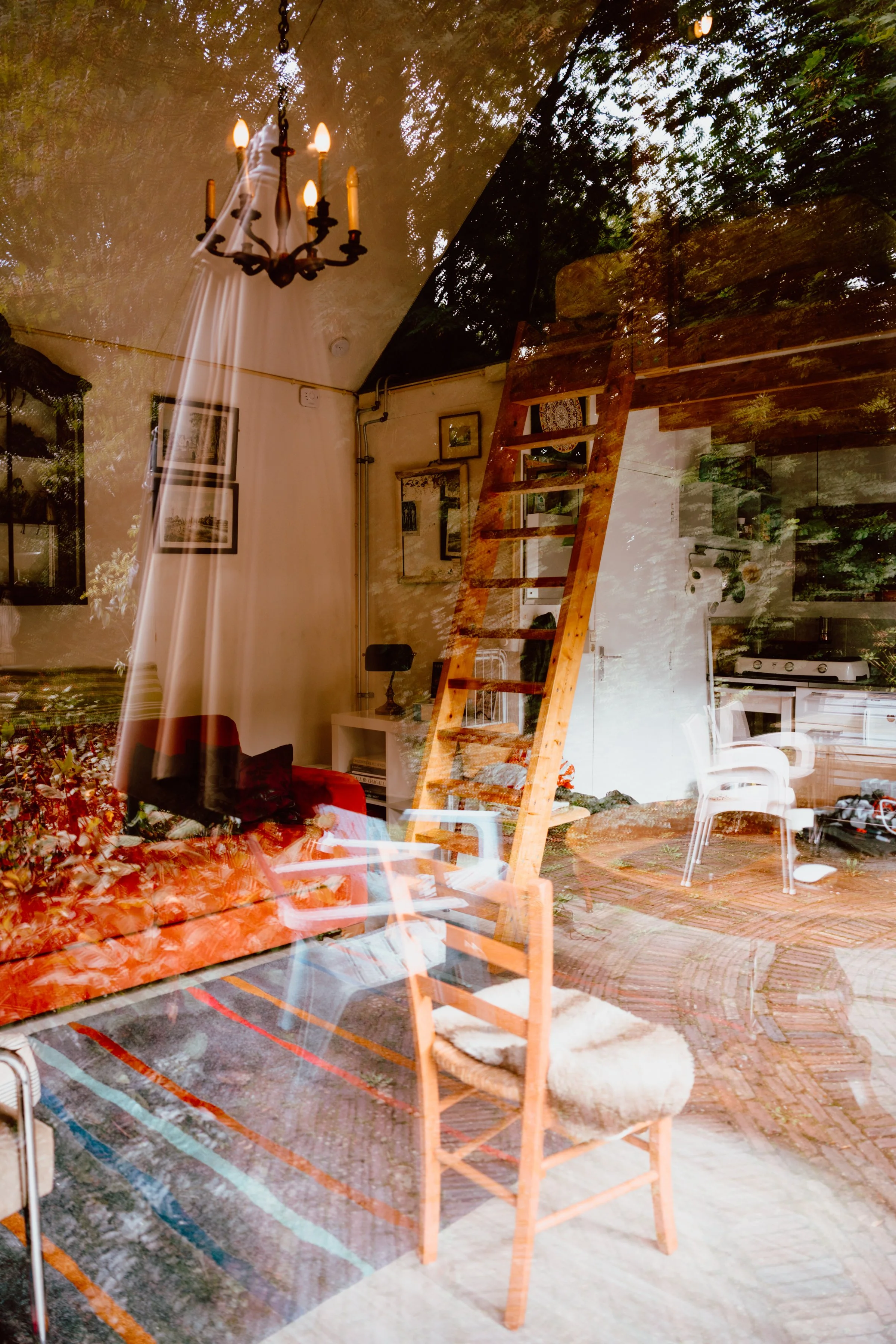
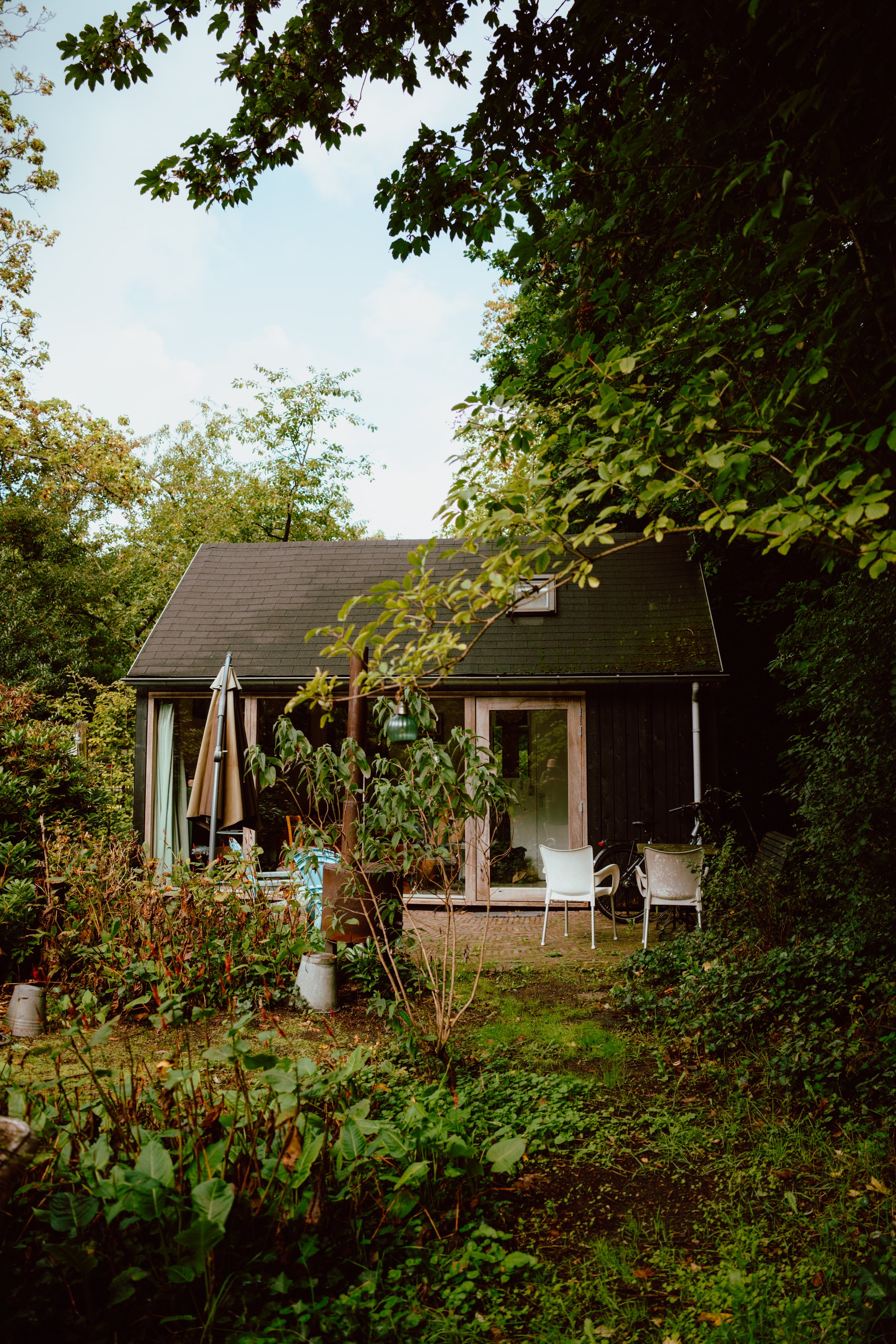
While dying to go out and explore after arriving at the second AirBNB, the weather forced me to slow down a bit, which annoyed me a bit at first because there was so much I wanted to see in the area around Schoorl and Bergen, but it really was pointless going out again before the rain would at least quiet down a bit. And so, I started my first afternoon, evening and moring thereafter in this lovely quiet cottage without tv or internet taking my time to cook, meditate and relax.
Schoorl aan Zee
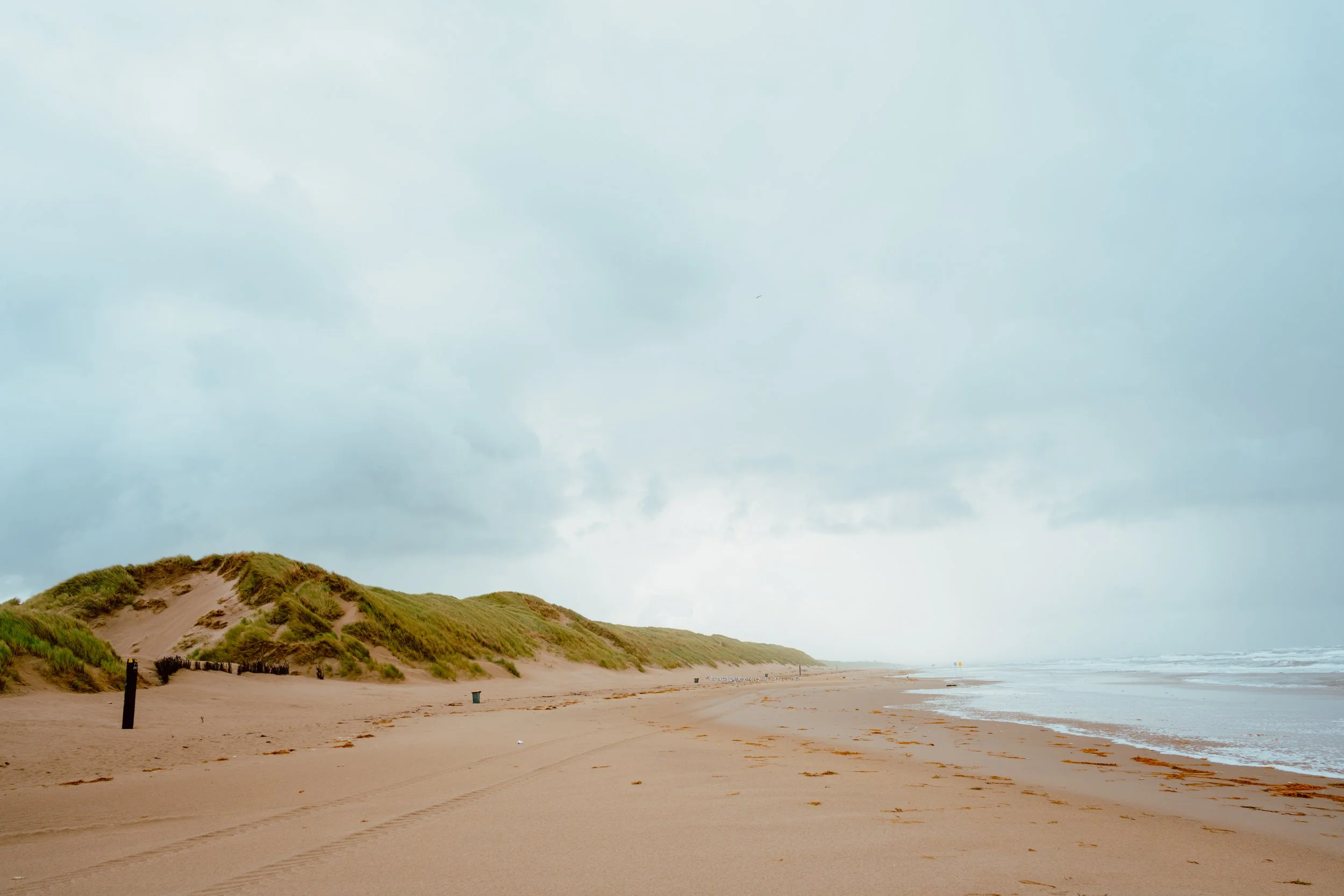
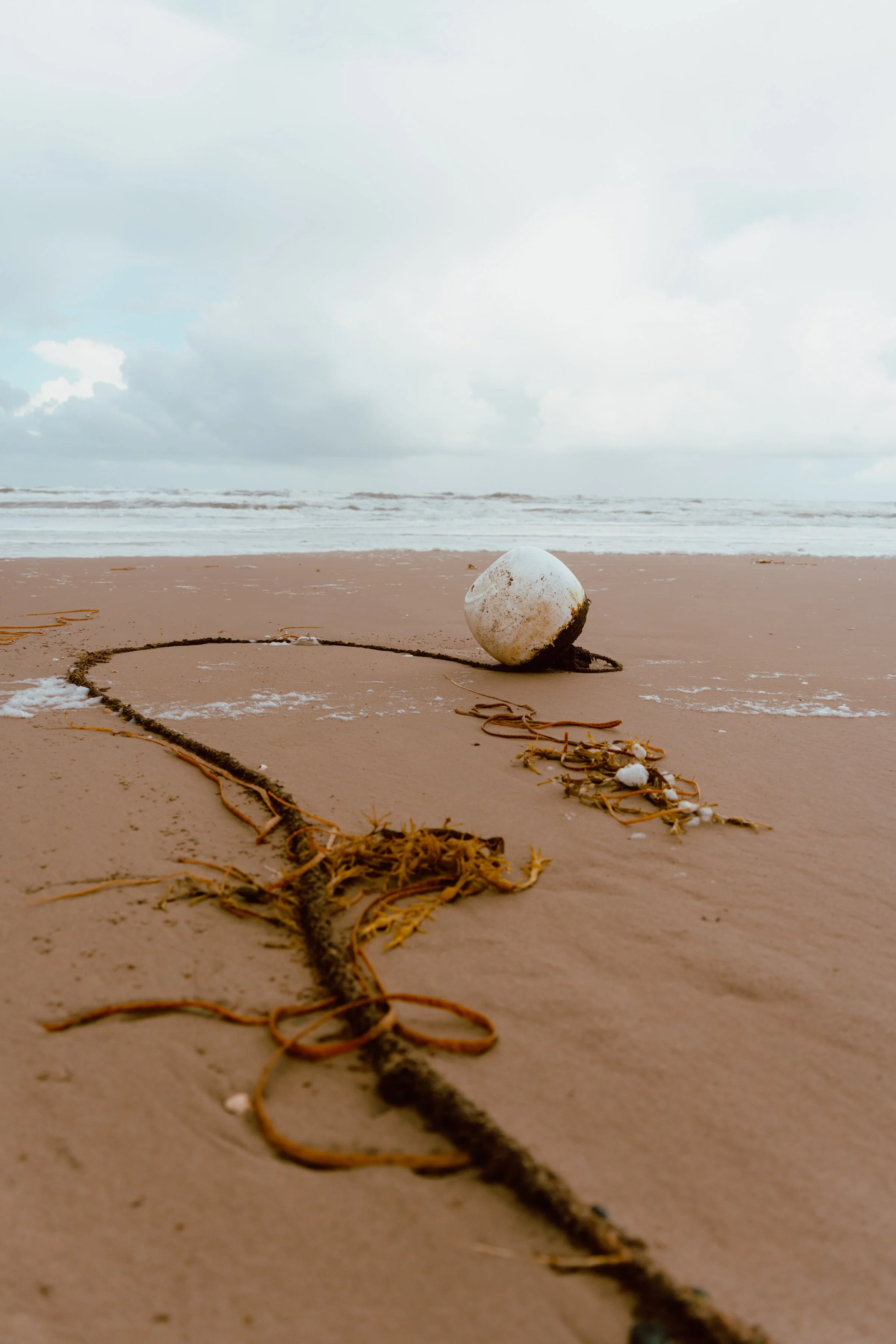
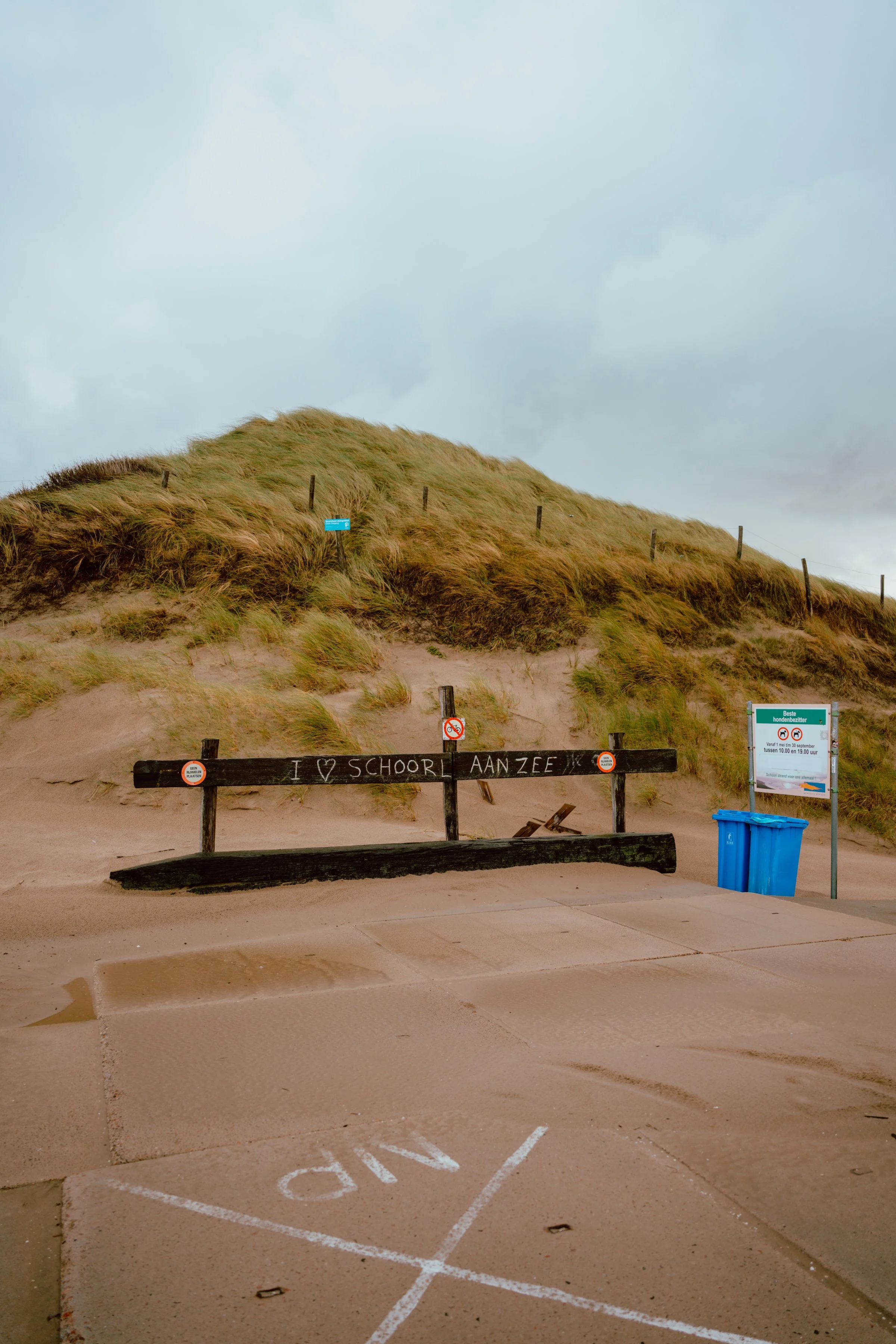
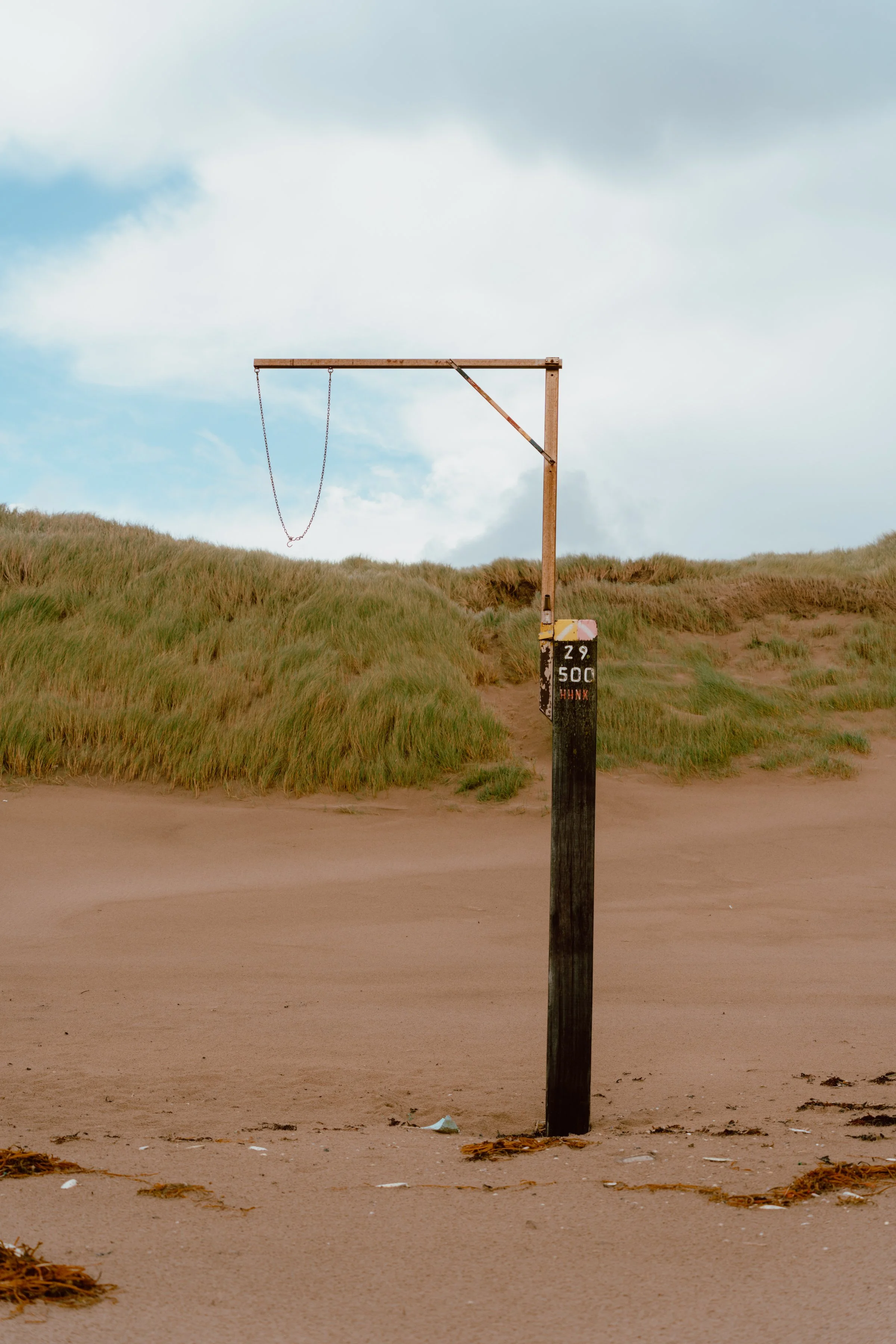
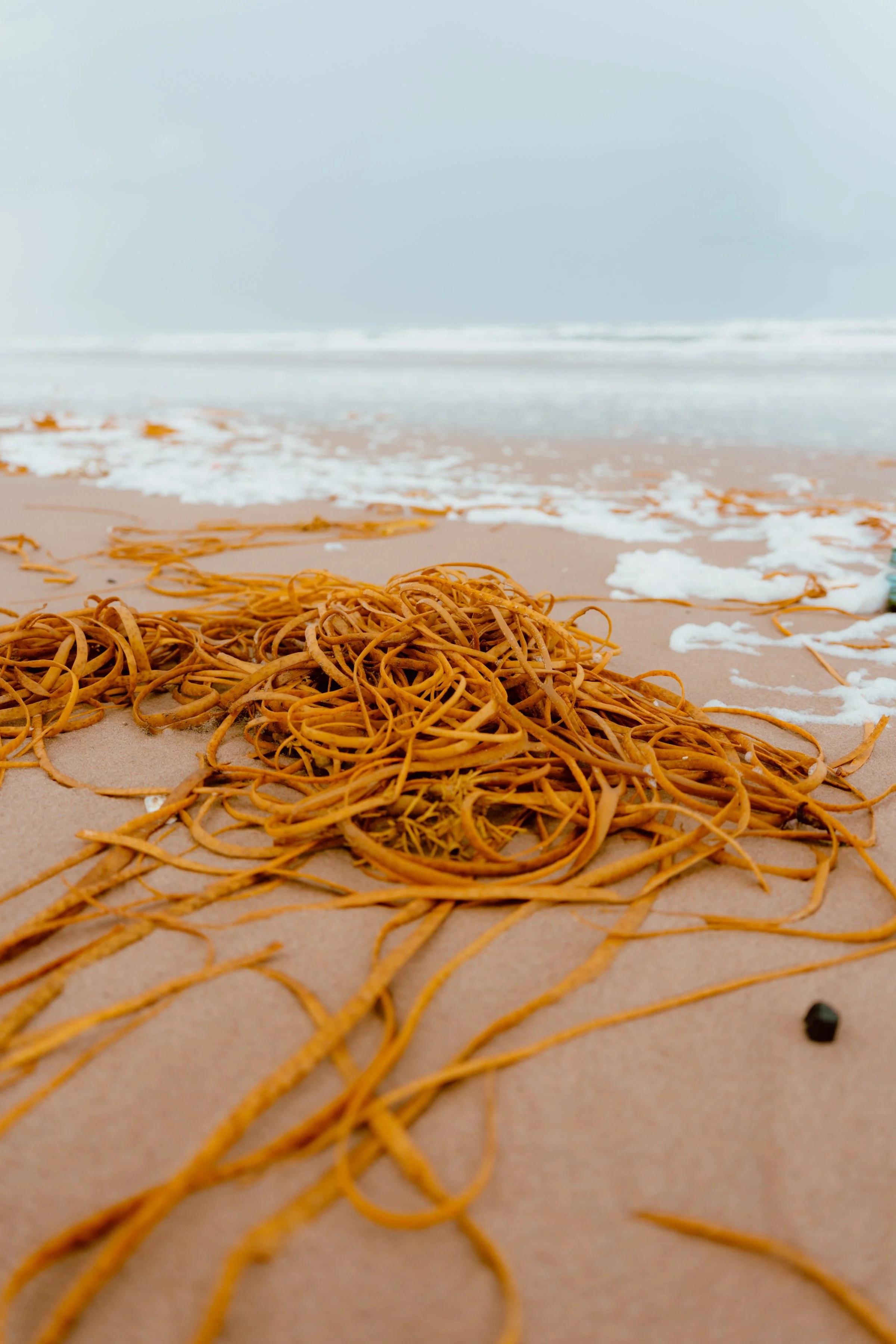
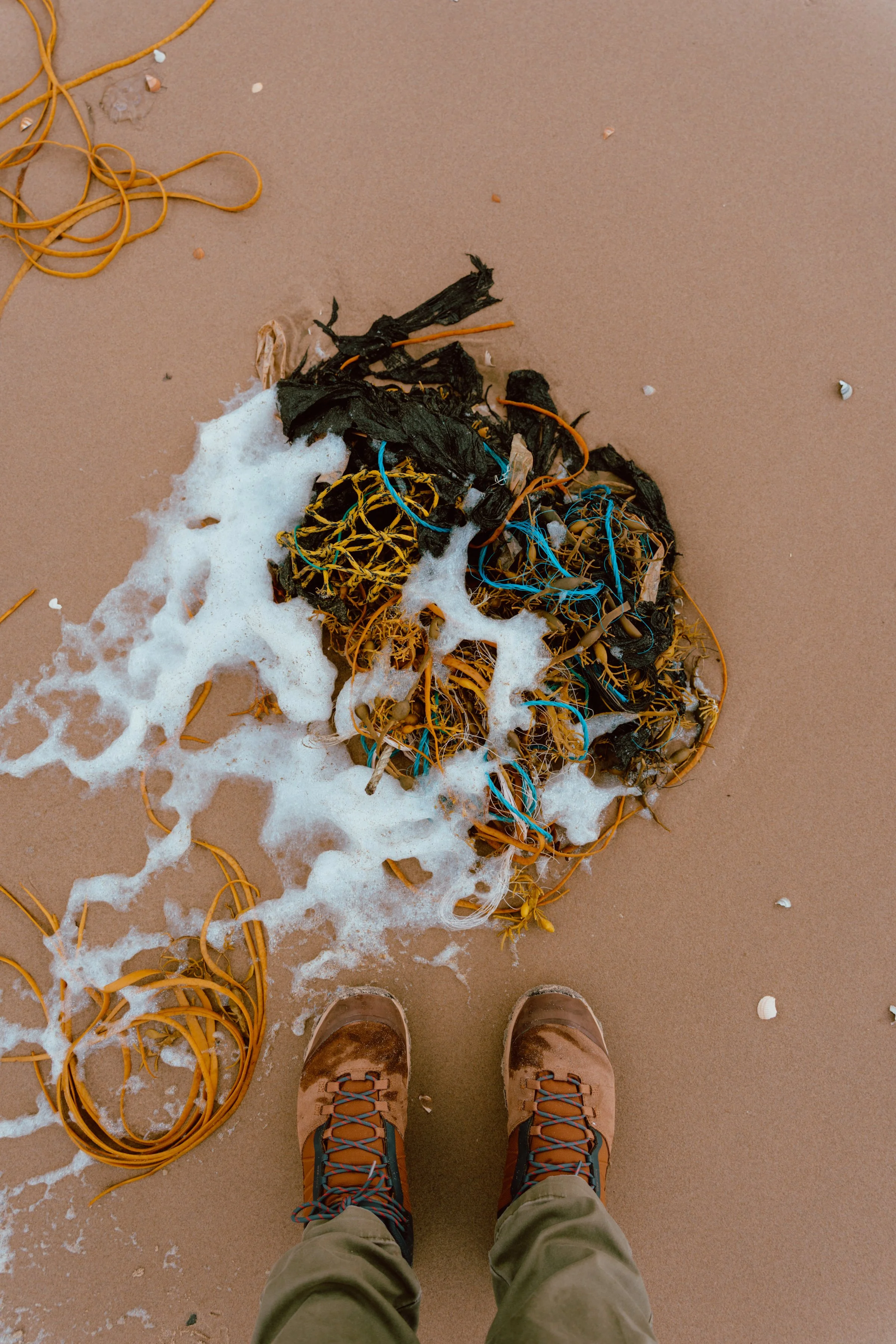
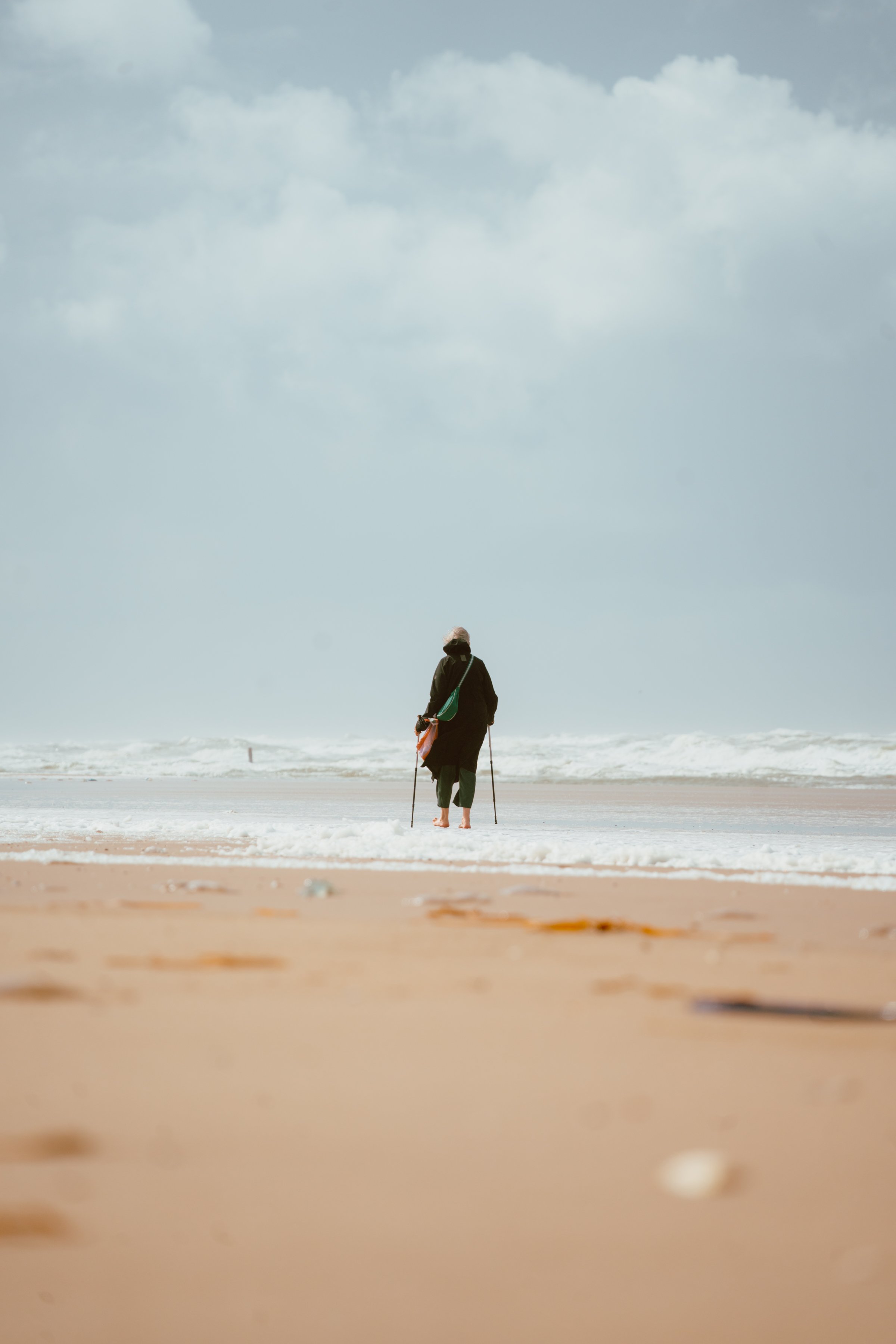
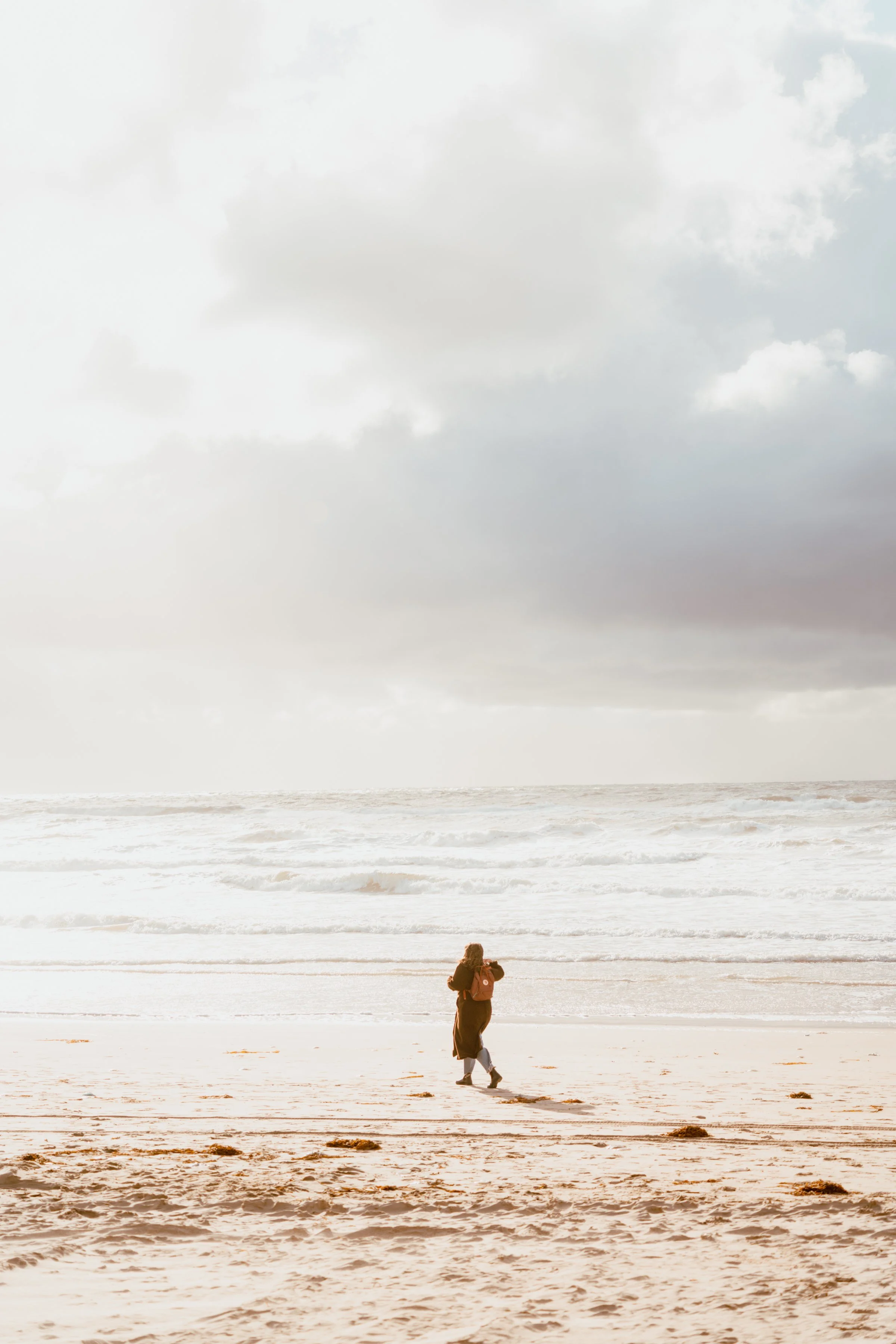
As soon as seemed we’d see some dry patches in between the rain on day 4, I packed my camerabag and made my way through the Schoorlse Duinen towards Schoorl aan Zee for a walk along a near desolate beach. I got showered a few times, but the sun started peeking through as well and with a beach full of treasures washed ashore after the storm, I had a magical time taking it all in.
Bergen & Bergen aan Zee
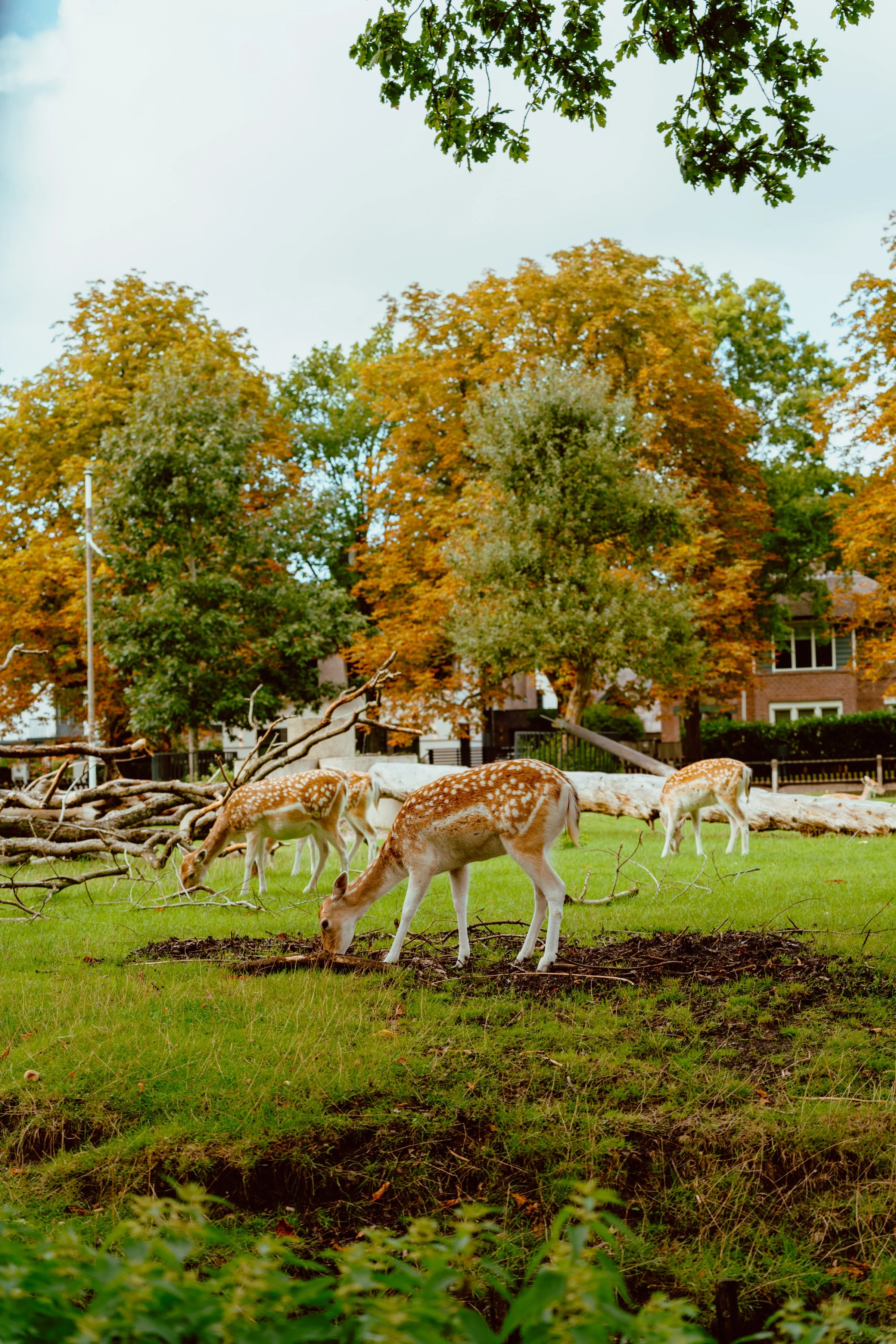
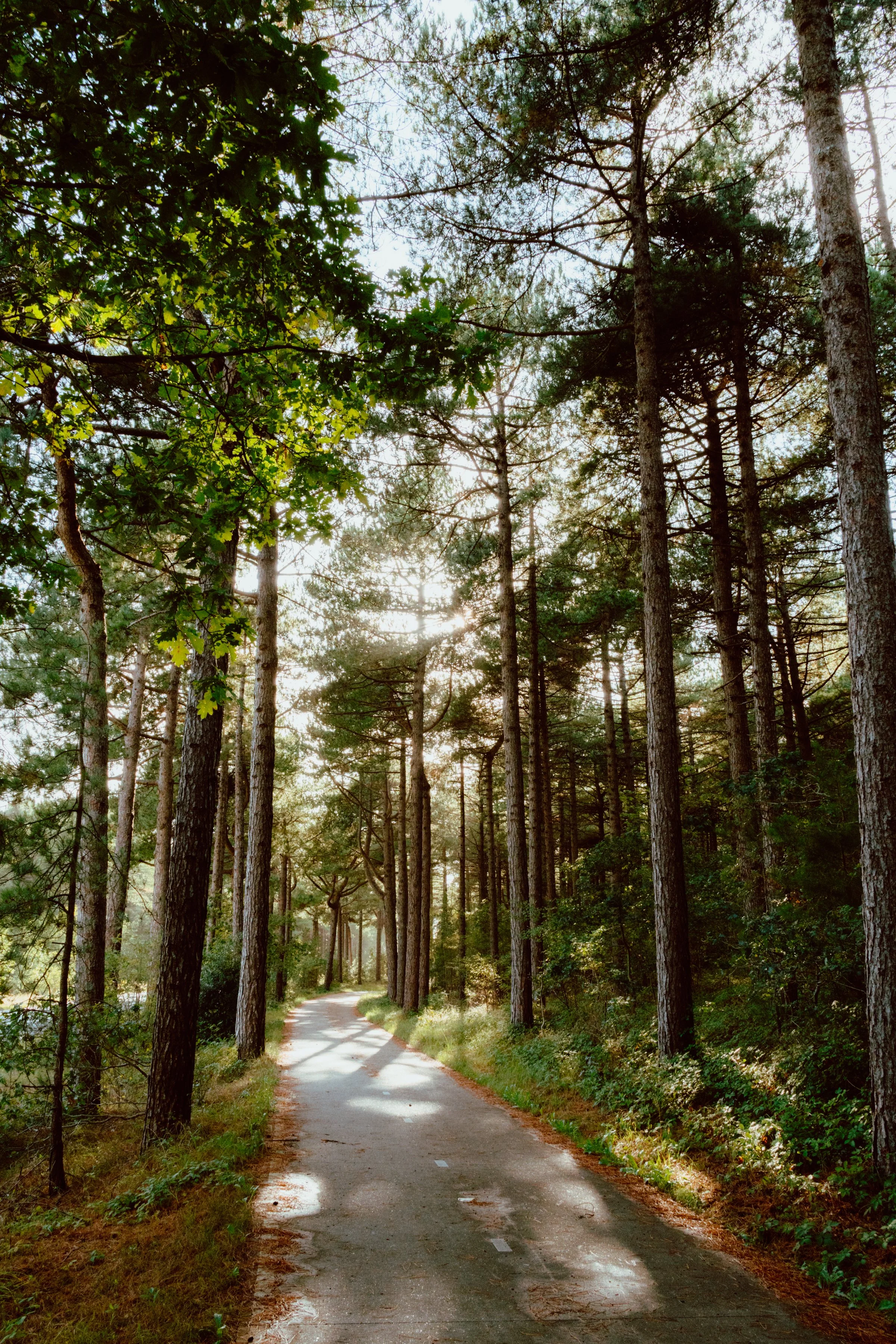
With no time to lose after the rain finally stopped and just that one day in the area before moving on the next day, I continued cycling through the historical town of Bergen (NH) and along the beautiful Eeuwigelaan towards Bergen aan Zee. I’ve spent many vacations in this area and absolutely love the scenery, so it was a joy to be back and take it all in.
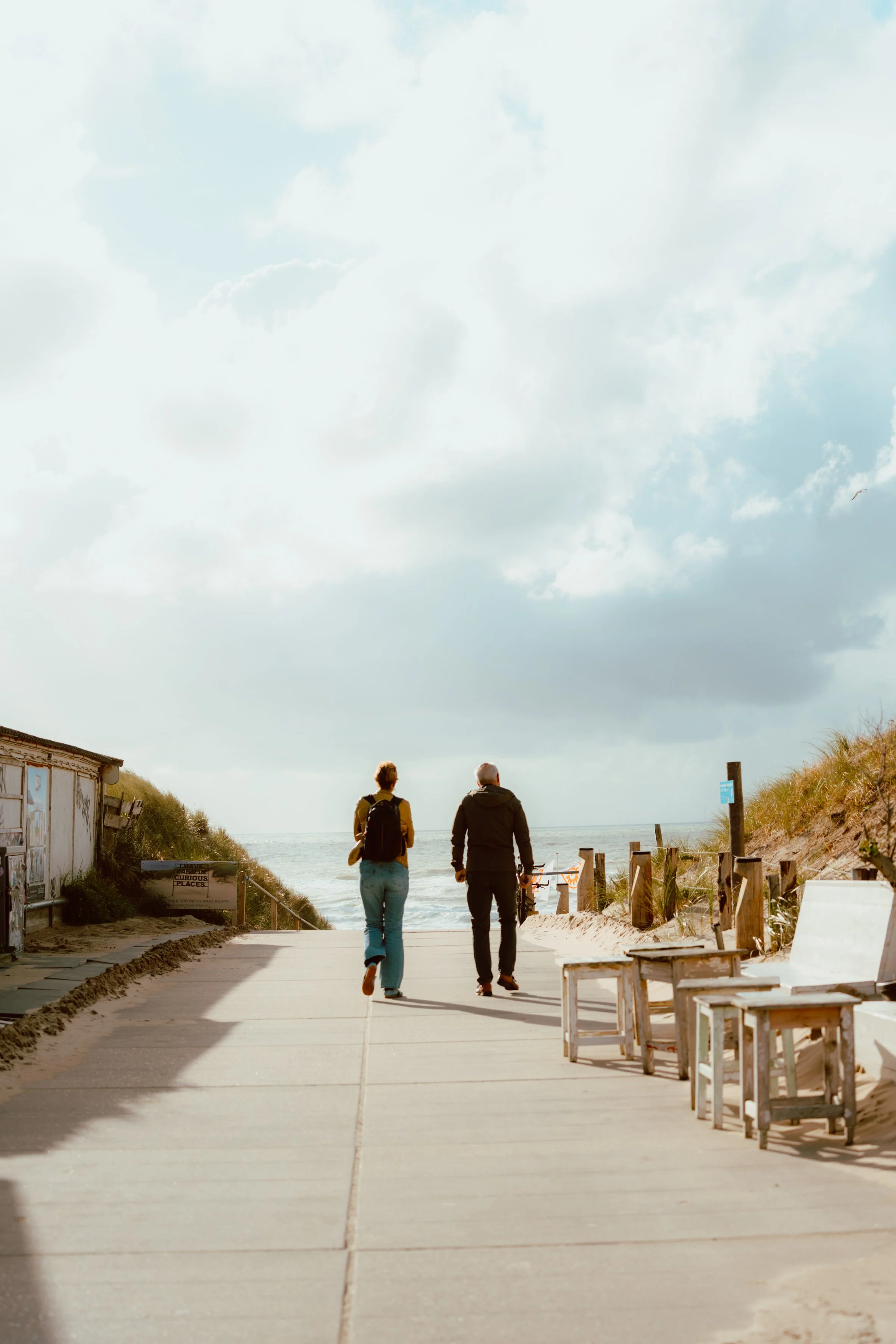
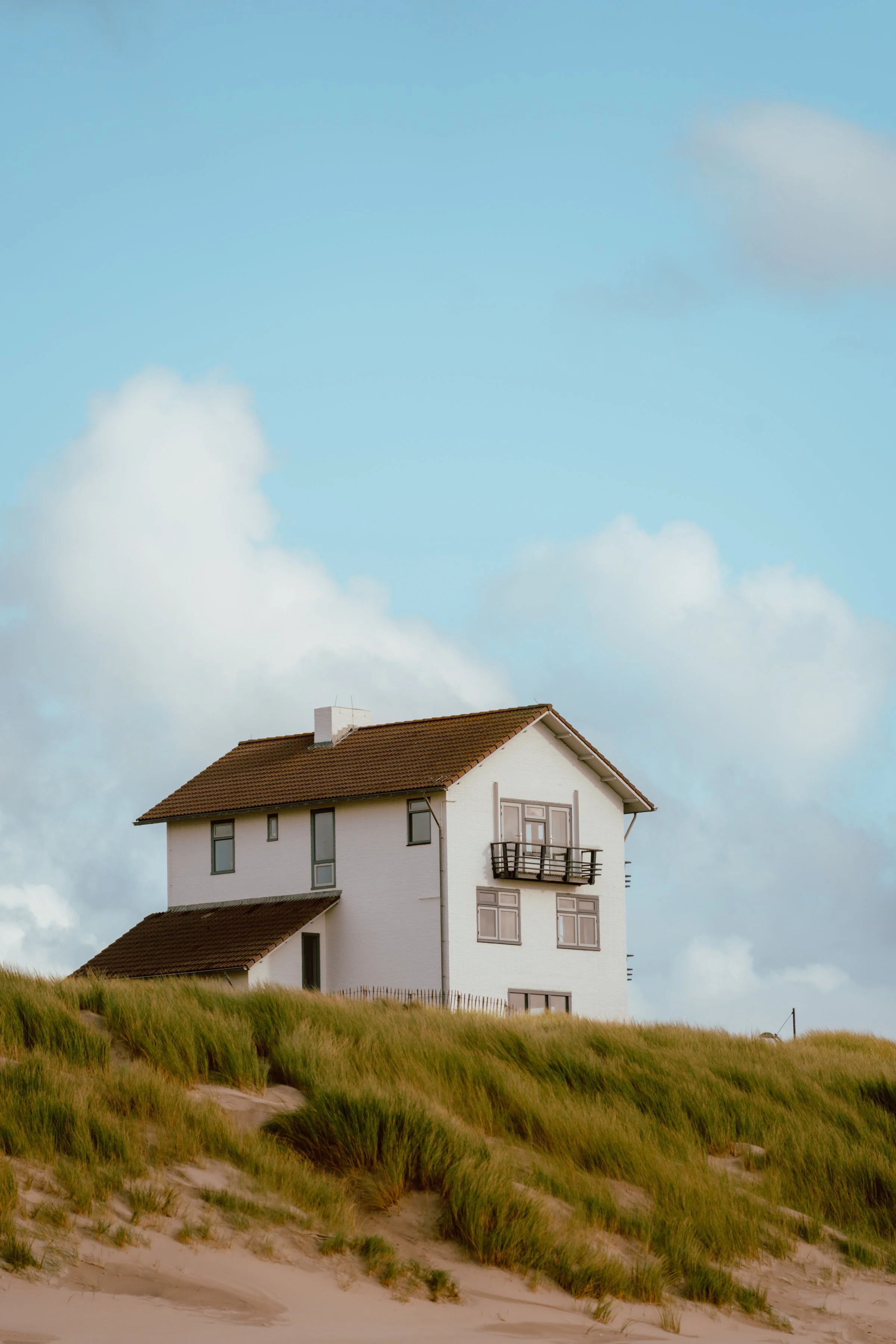
Sunset at the Schoorlse Duinen
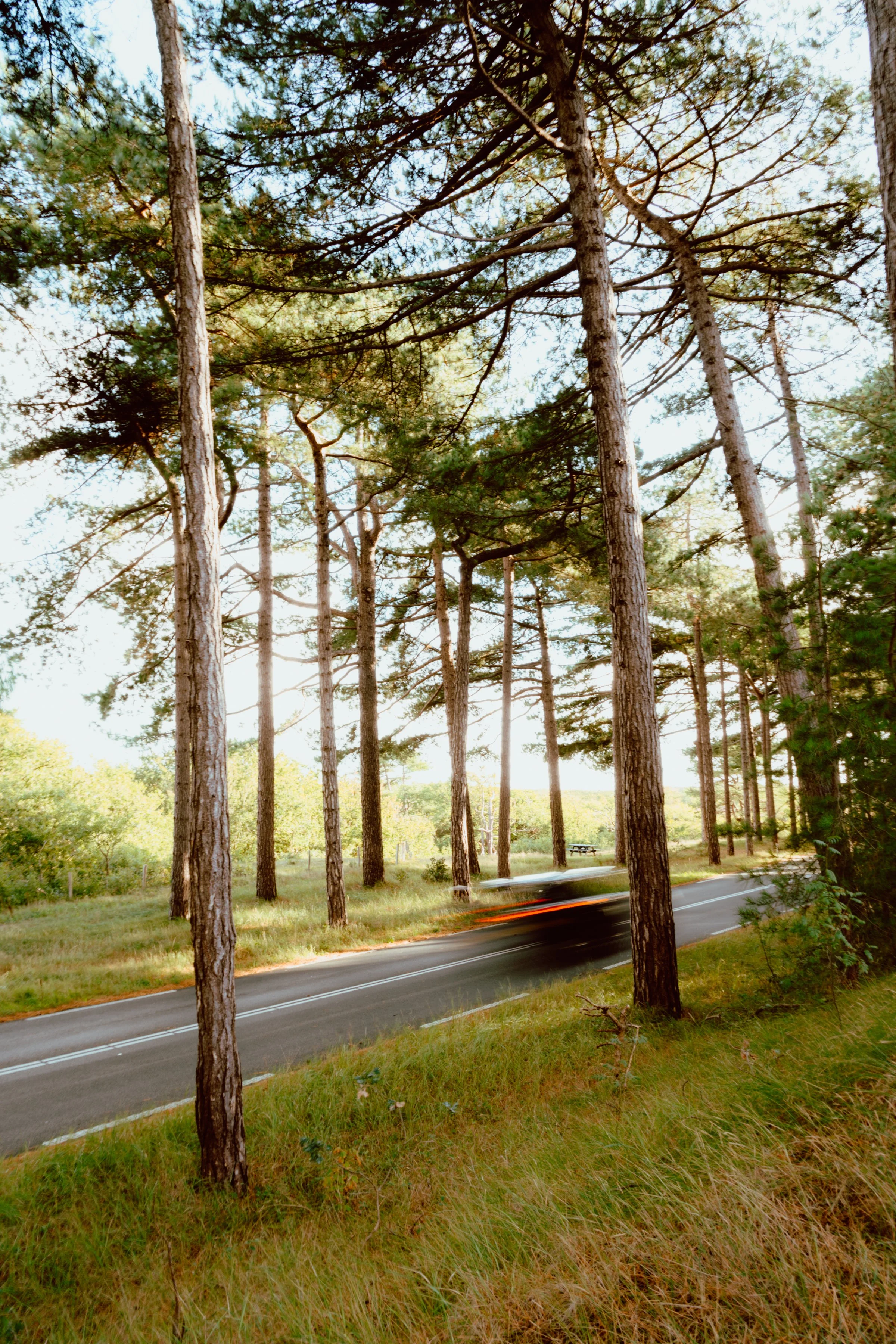
Surprised with few more sudden showers, rainbows and dramatic skies, I ended the evening of day 4 in the Schoorlse Duinen where I cycled around and went for a hike through the area, visted the Tabor koepeltje (pictured small in 2nd photo below) and watched the sun set behind the dunes.
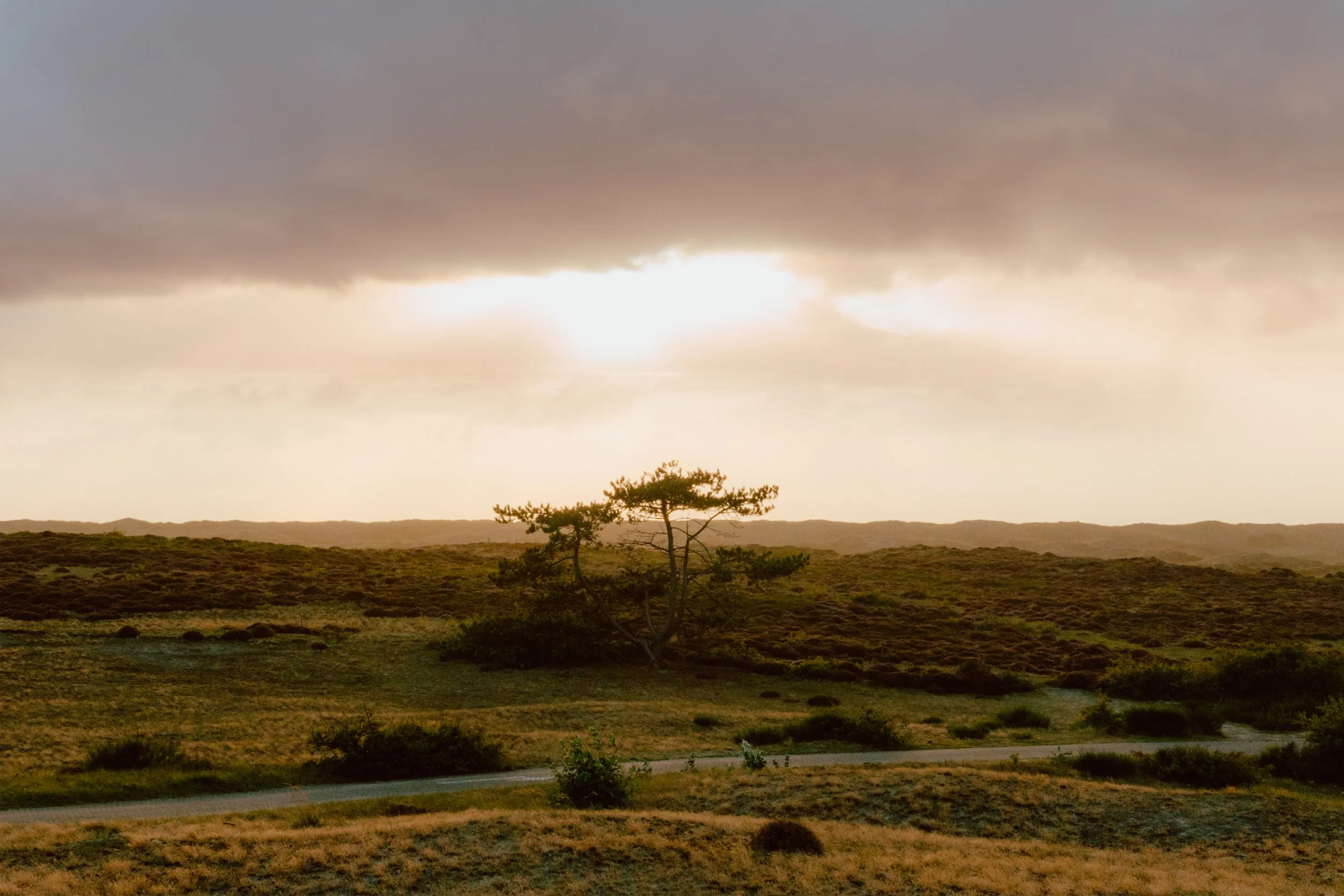
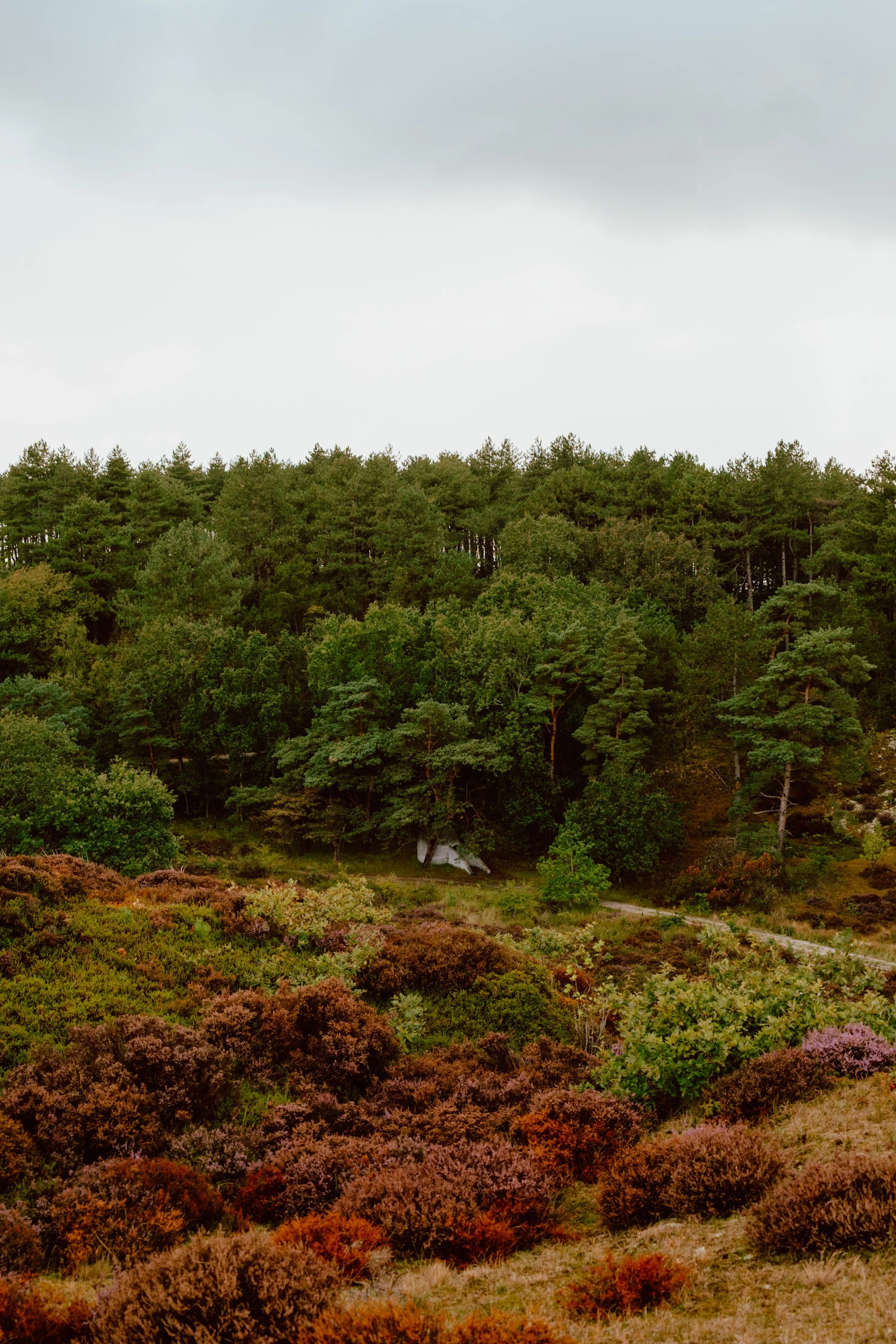
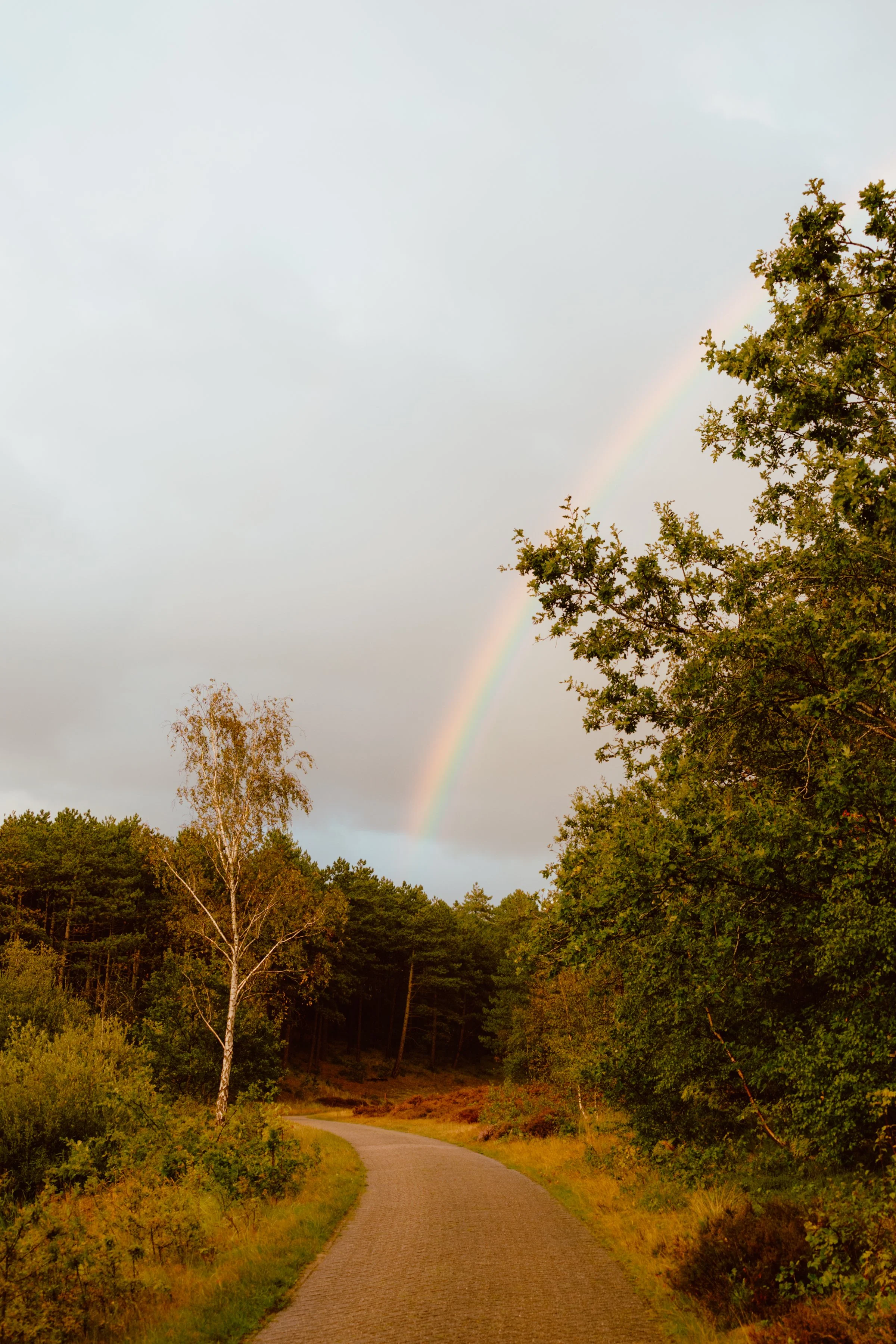
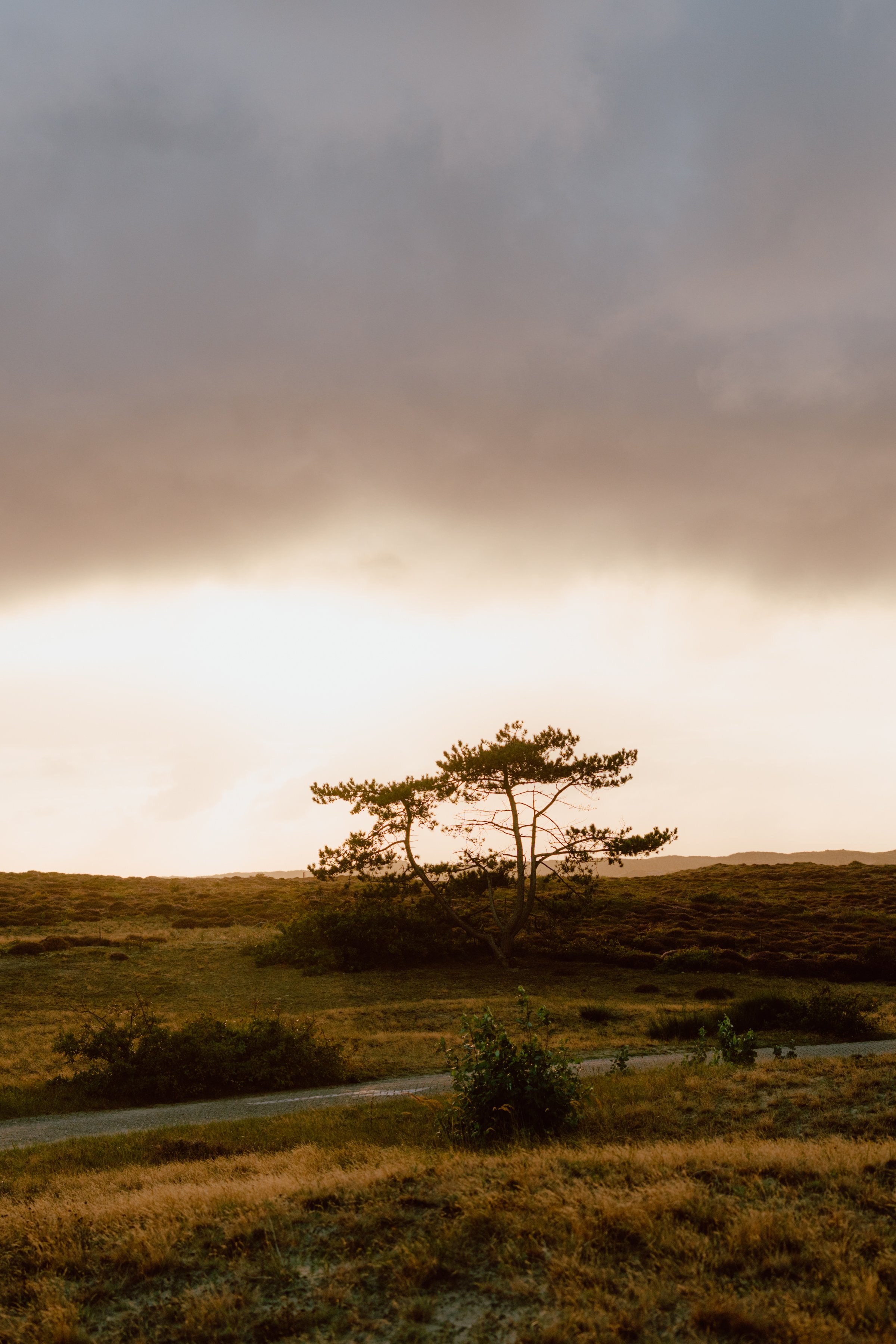
My stay around the Schoorlse Duinen felt way too short, but with my full route planned and accomodations booked along the way, I had to move on and continue inland for the next part of the trip. Next stop: Beekbergen, on the (north) Veluwe.
Part 3: Noord-Veluwe
I picked the 3rd stop of the trip pretty much out of nostalgia. I grew up in Apeldoorn, right next to Beekbergen, where I stayed in this cute little treehouse. There are many beautiful forestial areas around there, and without much of plan, I imagined to just go around and visit some of my favorite childhood spots.
To get here on day 5, I took my bicycle on the train to cover part of the route from Schoorl on the coast to Beekbergen in the east of the country. This works quite well in the Netherlands, you need an extra ticket for it and make sure you trael outside of rush hour, because it’s not allowed then to take your bicycle on the train.
Bruggelen
On my first day in the area, I headed out for a walk to Bruggelen, a beautiful forest area on a moraine with old trees, adjacent heathlands and ‘het Salamandergat’, a natural fen (see photos 6-9 below) where I spent many weekend days as a kid playing in the woods and in our self-built hut right next to the water. I don’t think I’ve been here in at least 20 years and it was wonderful being back here. But I’d say even without the memories, this area is very much worth a visit for its natural beauty alone.
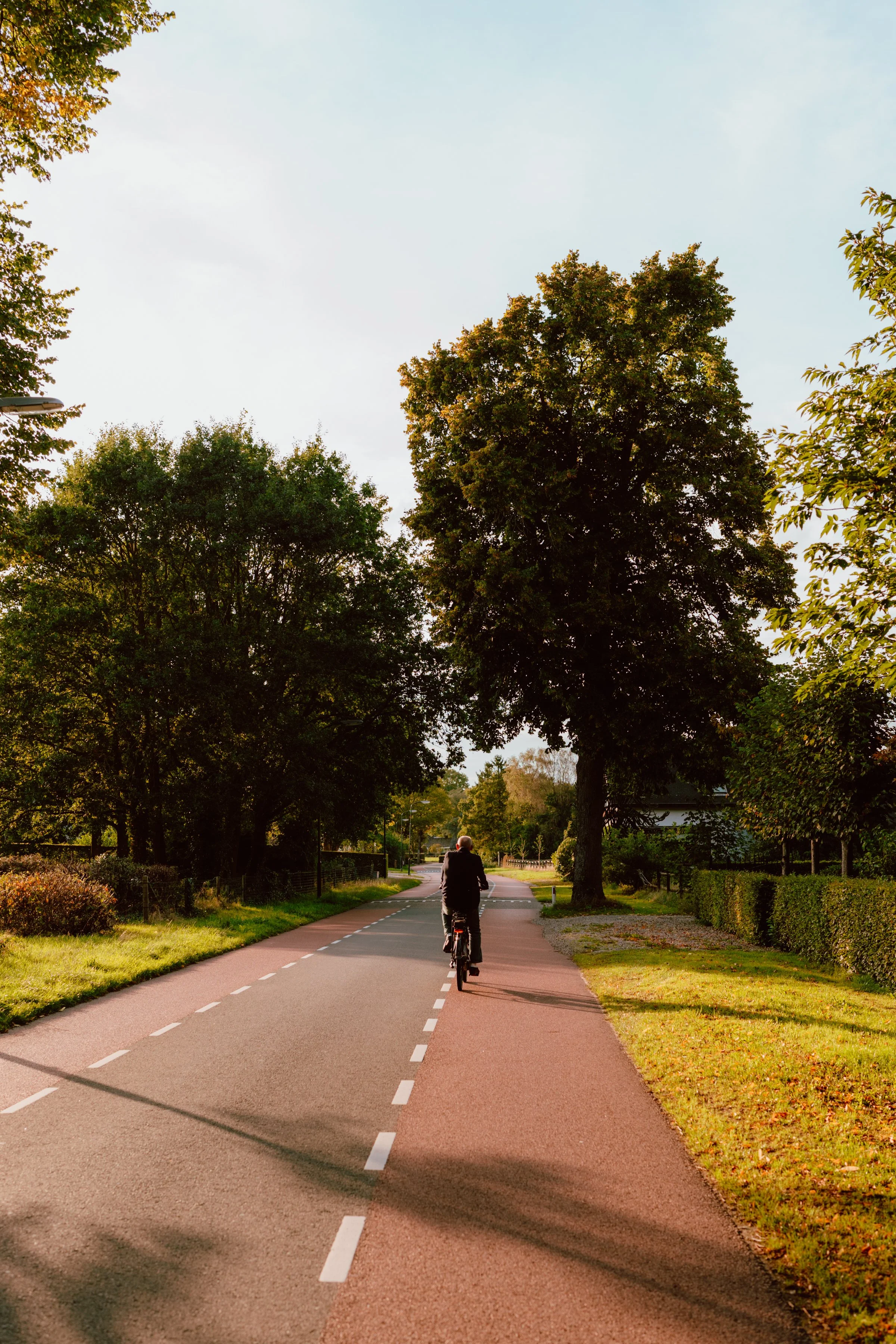
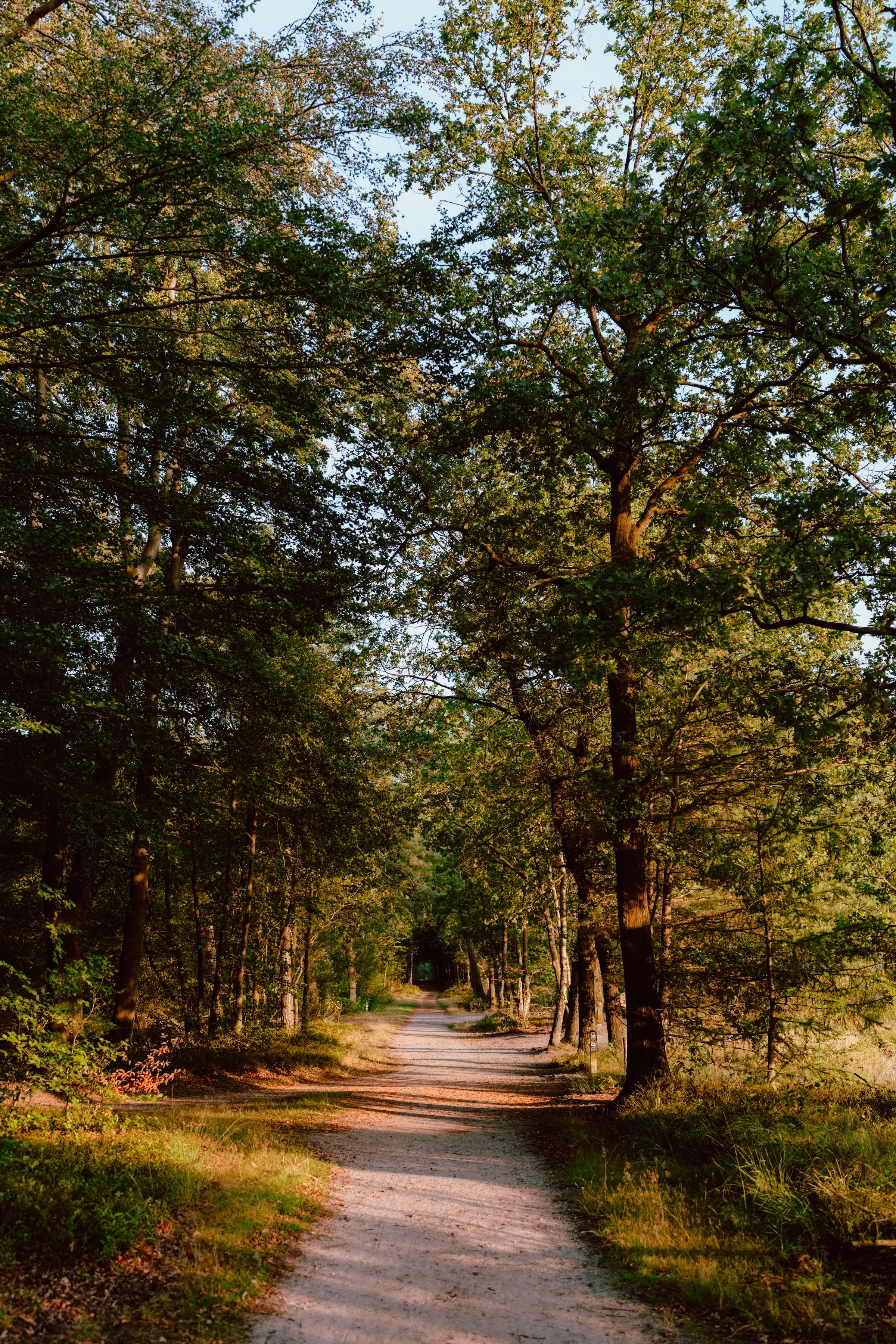
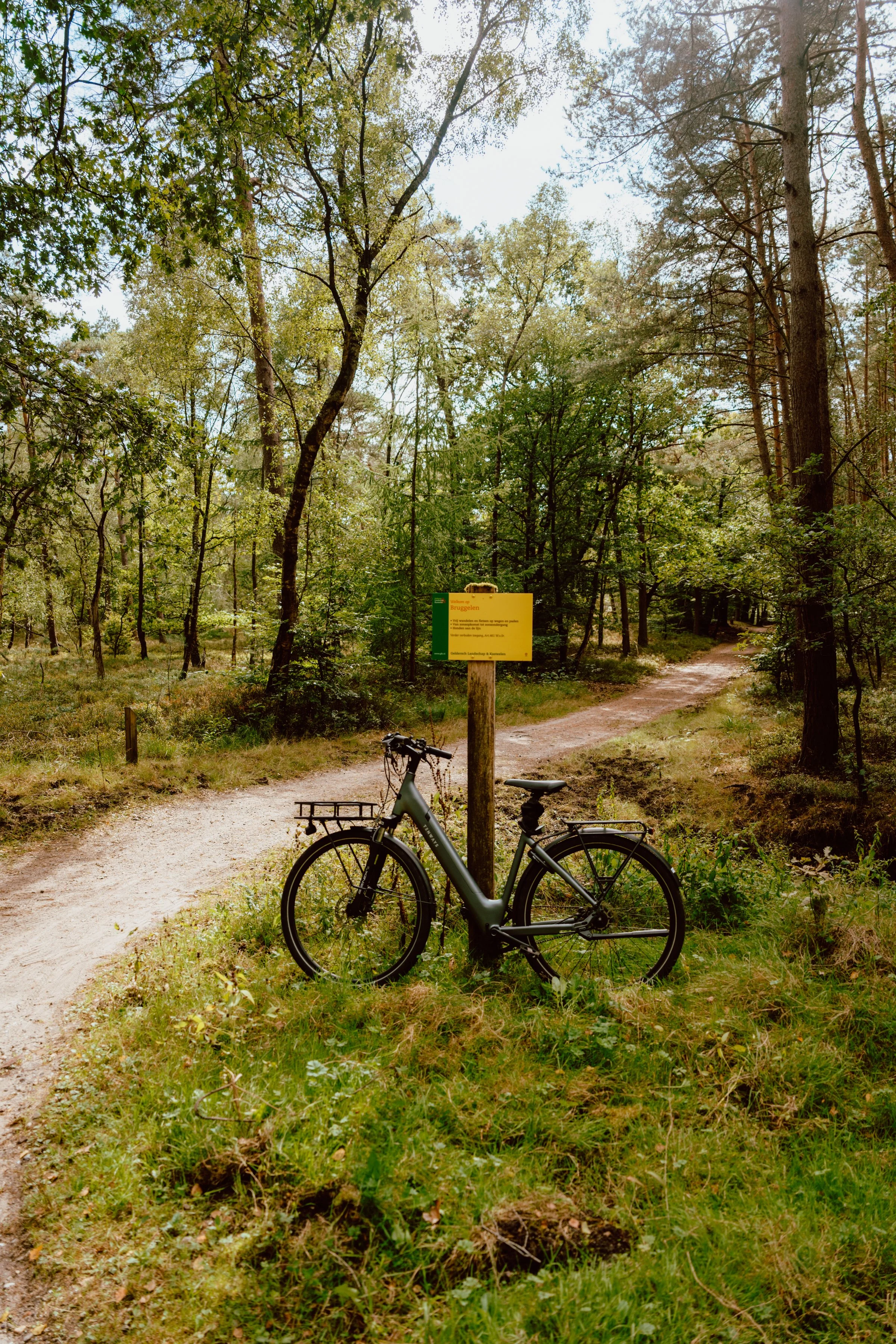
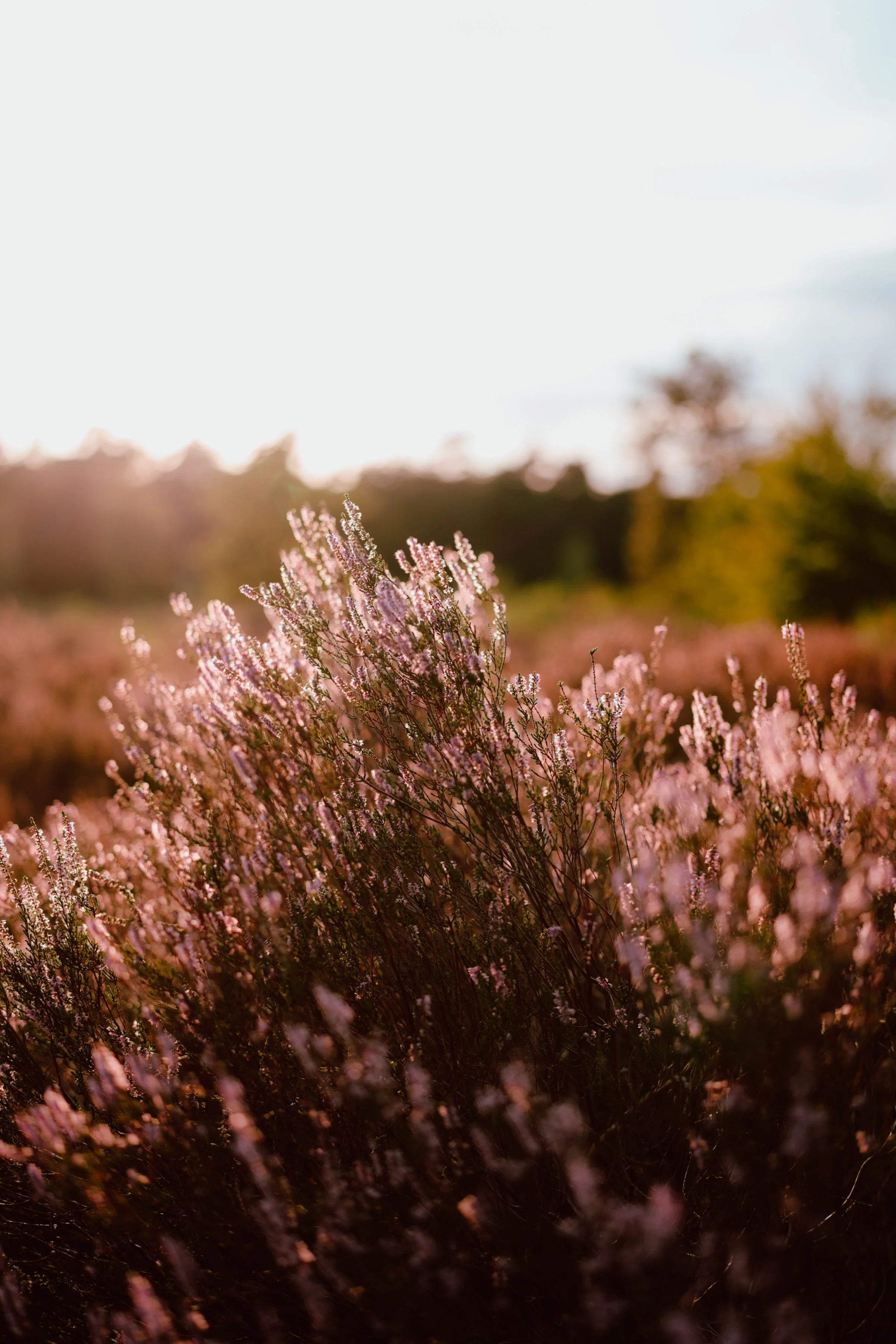
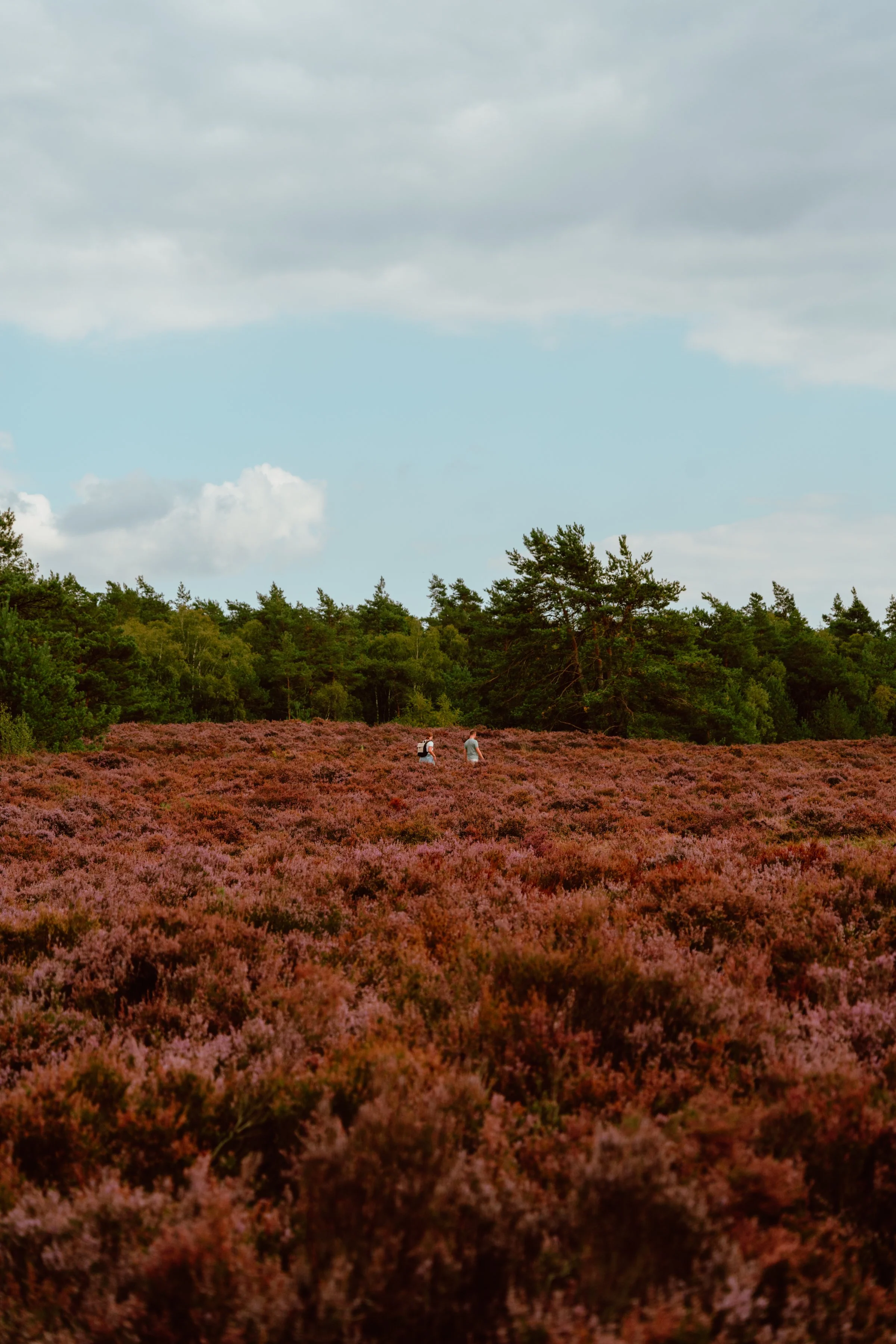
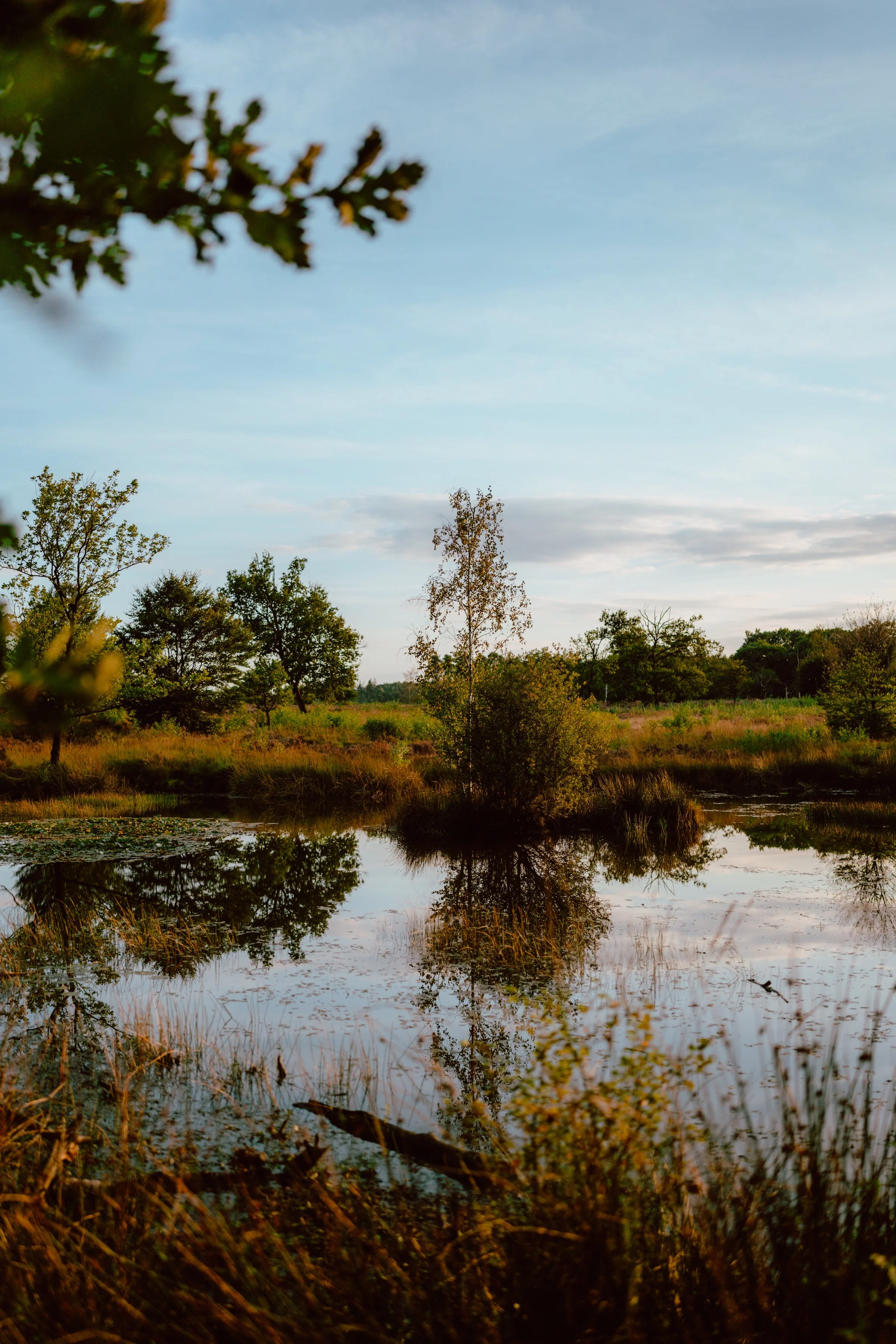
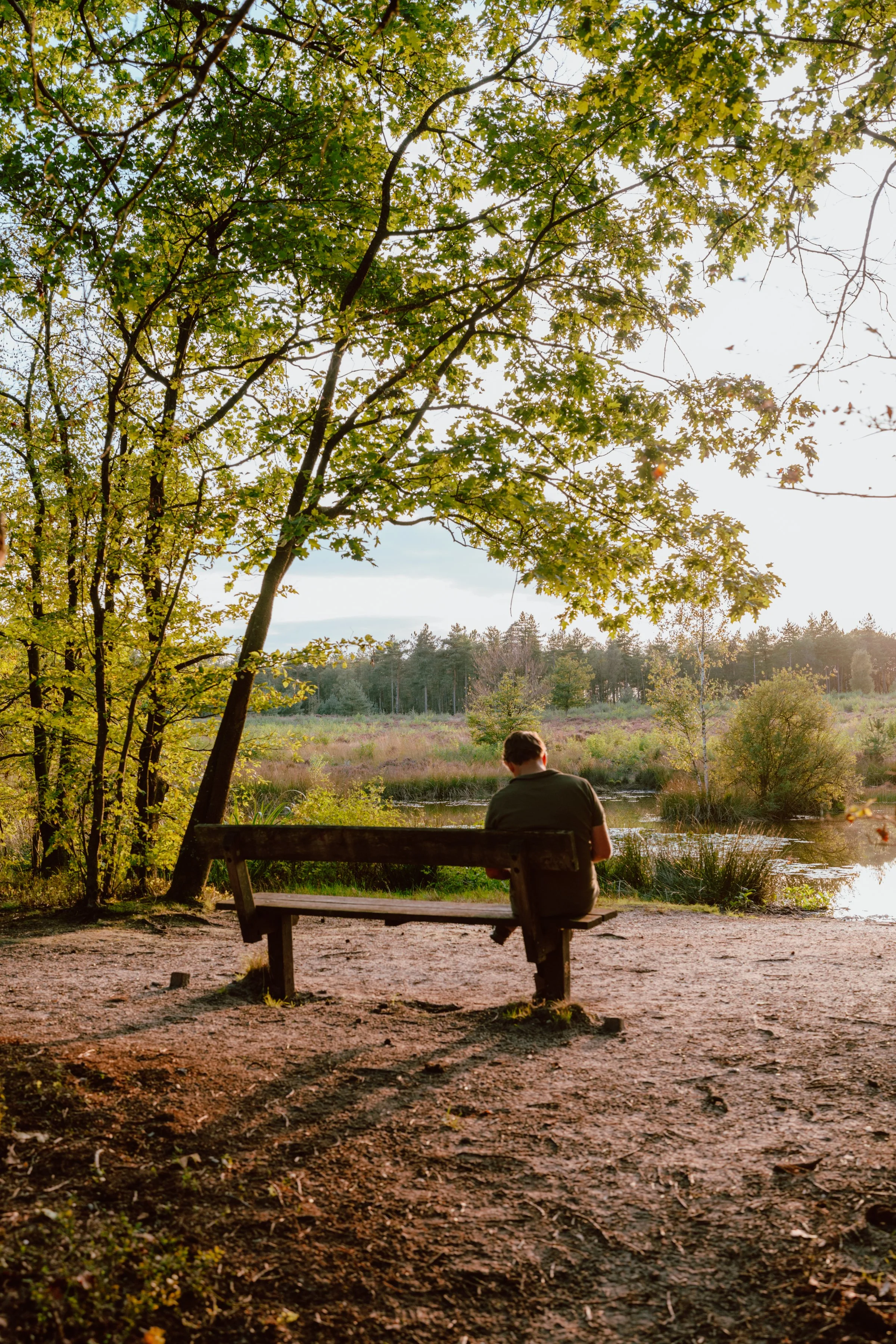
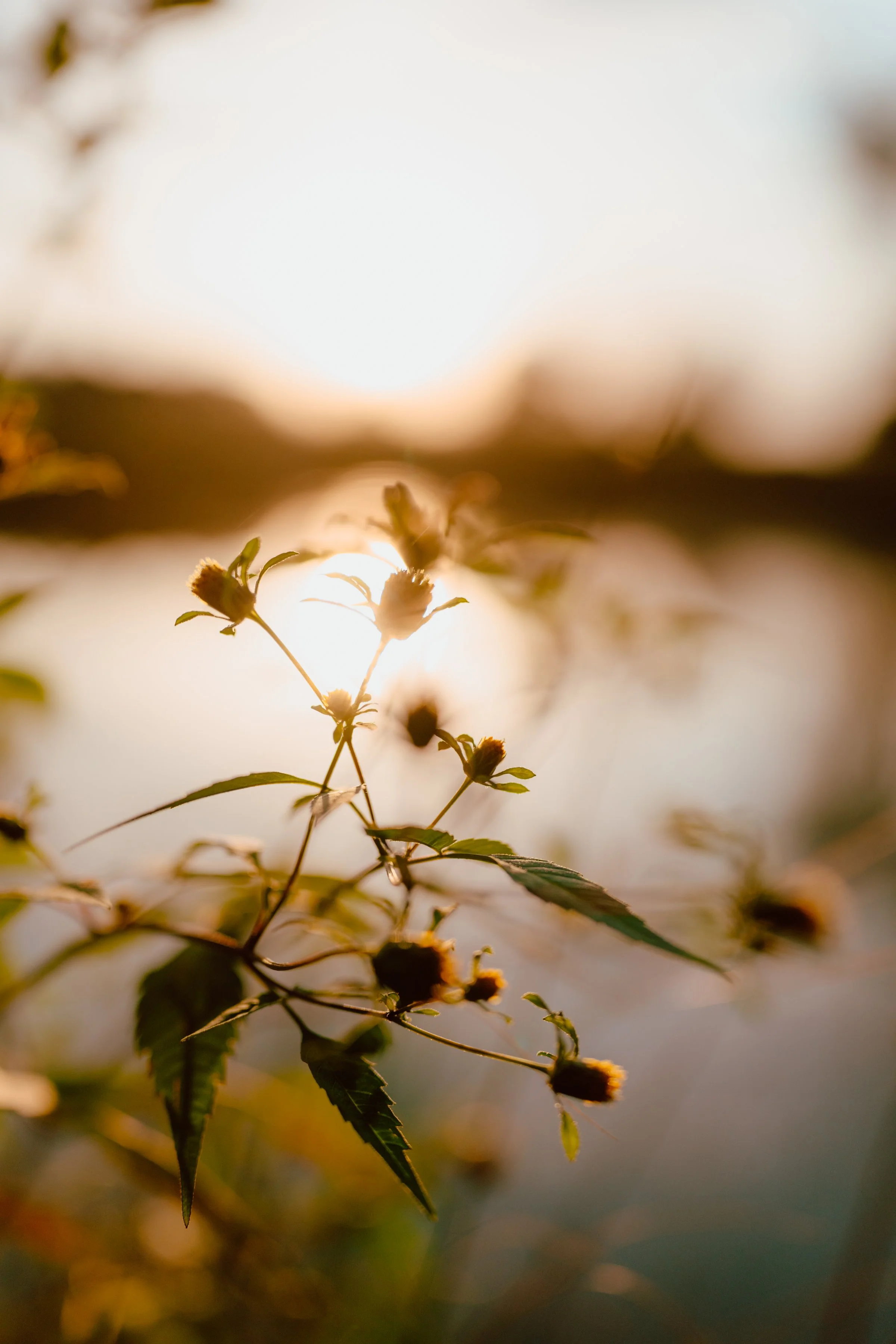
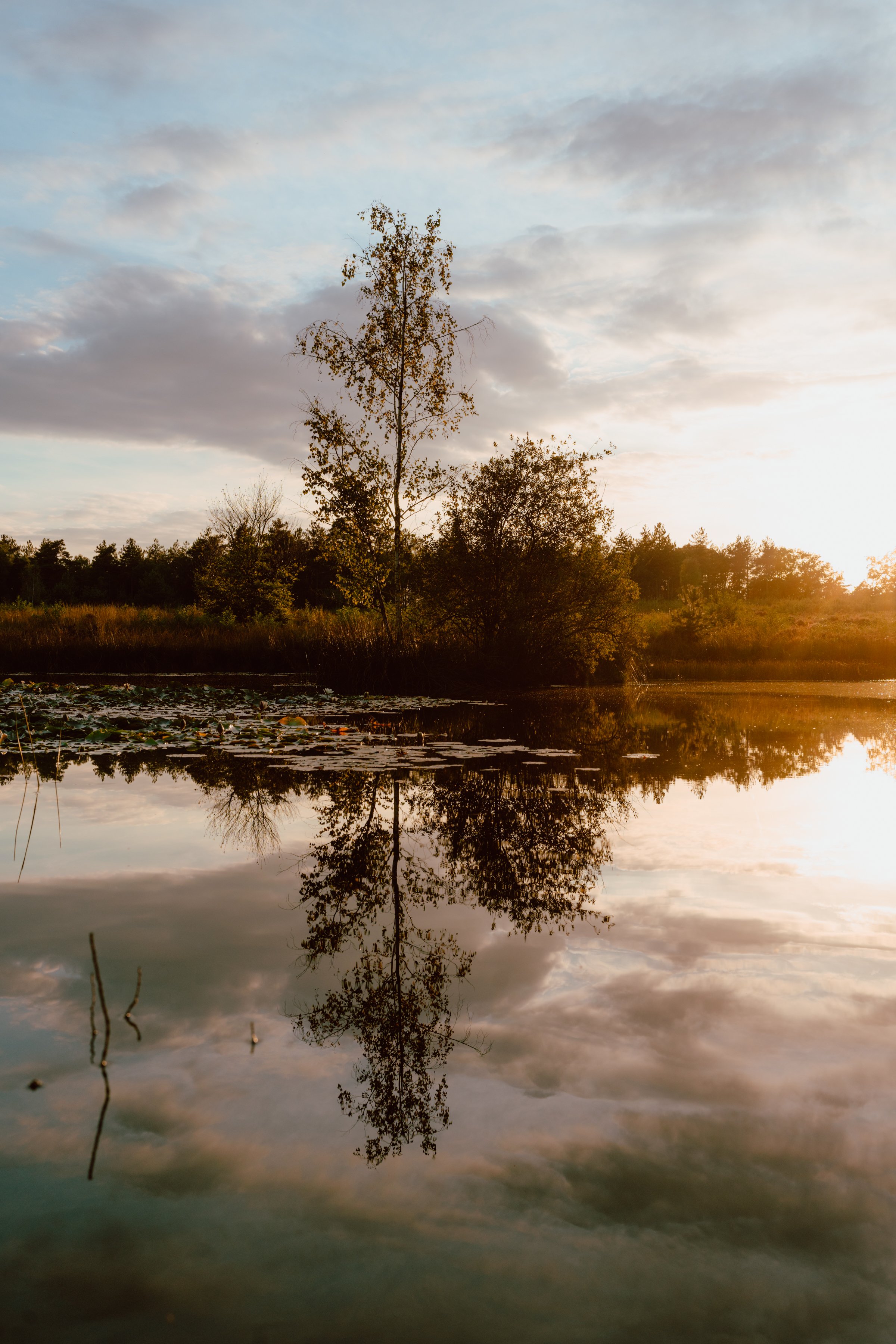
Exploring the Veluwe
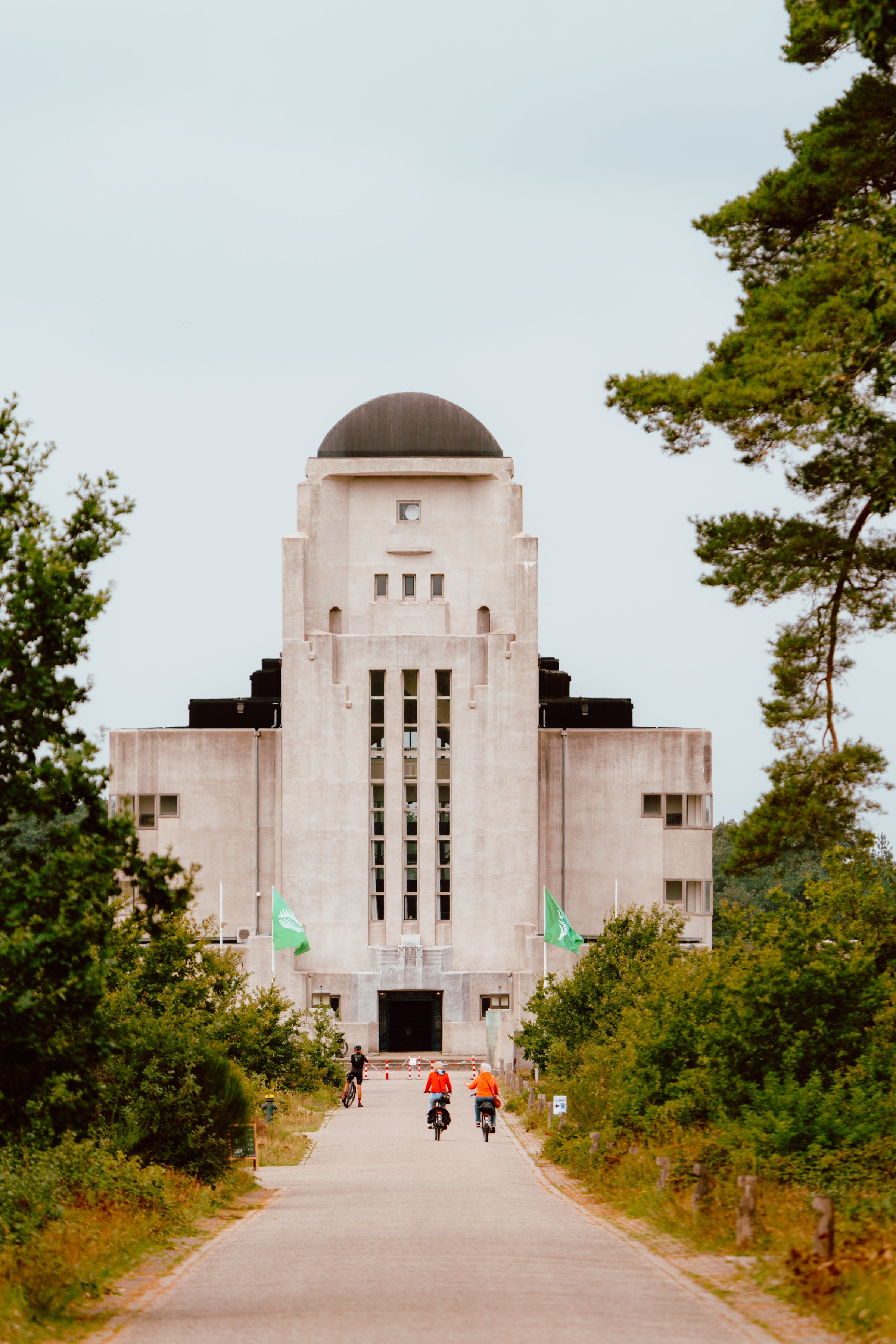
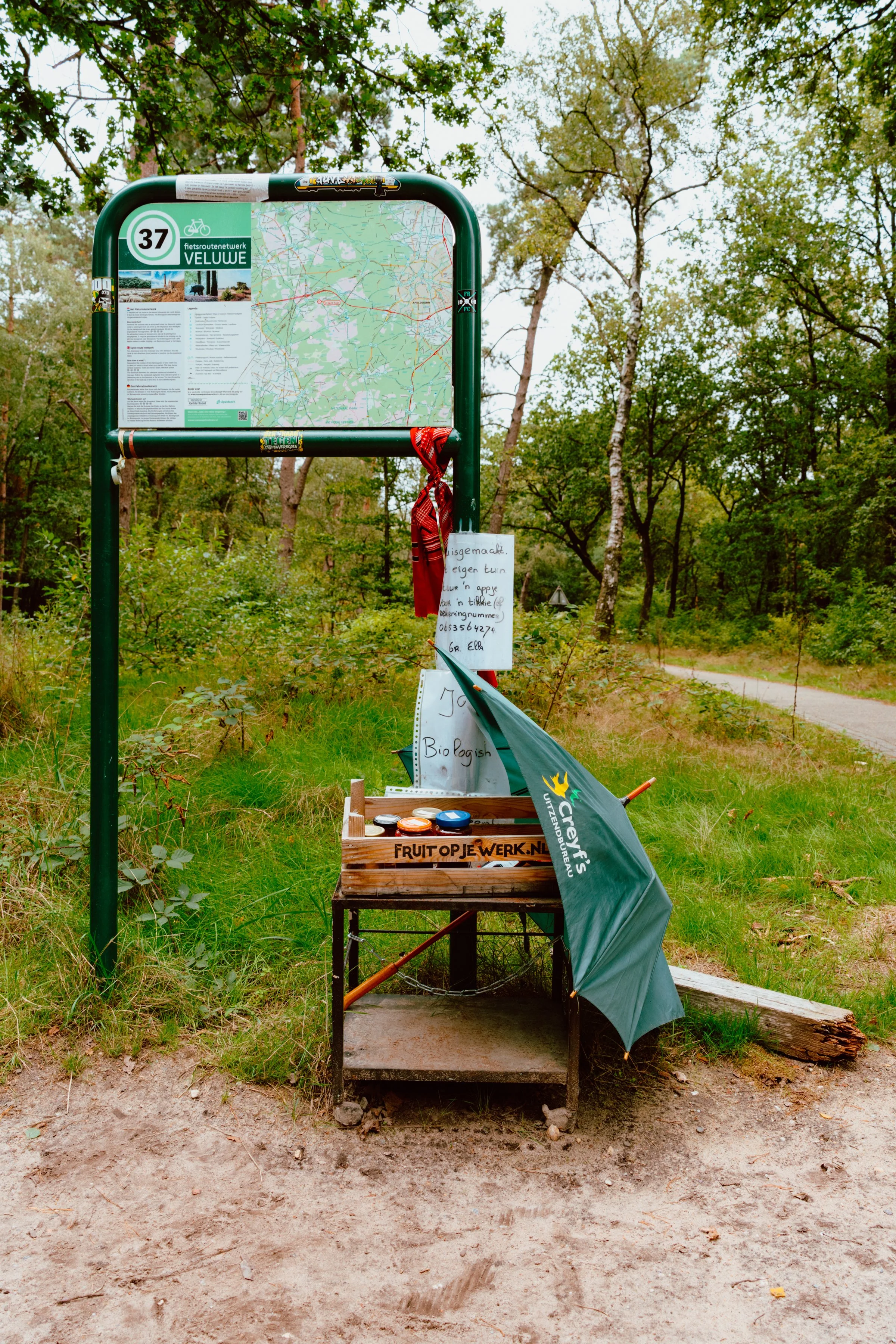
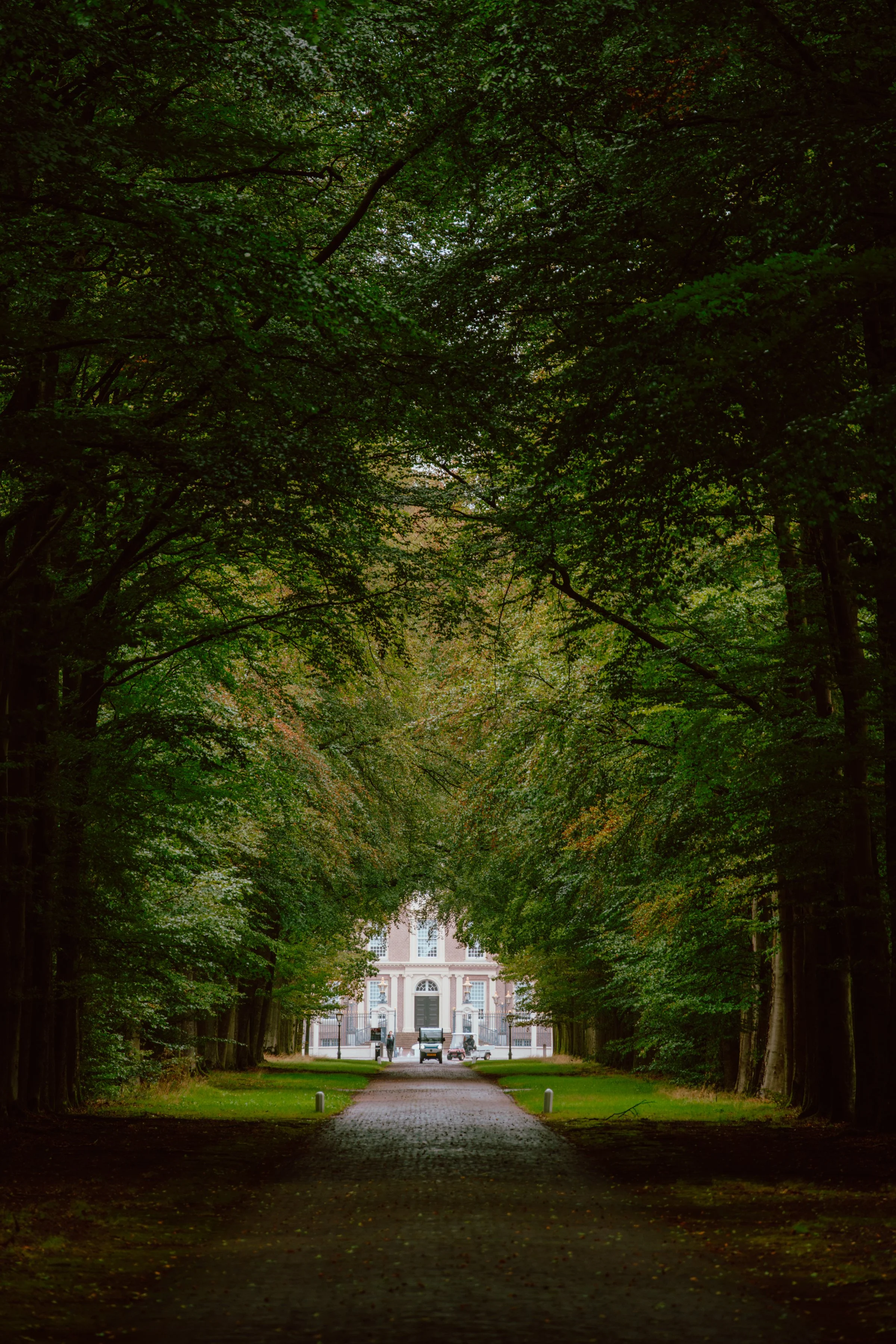
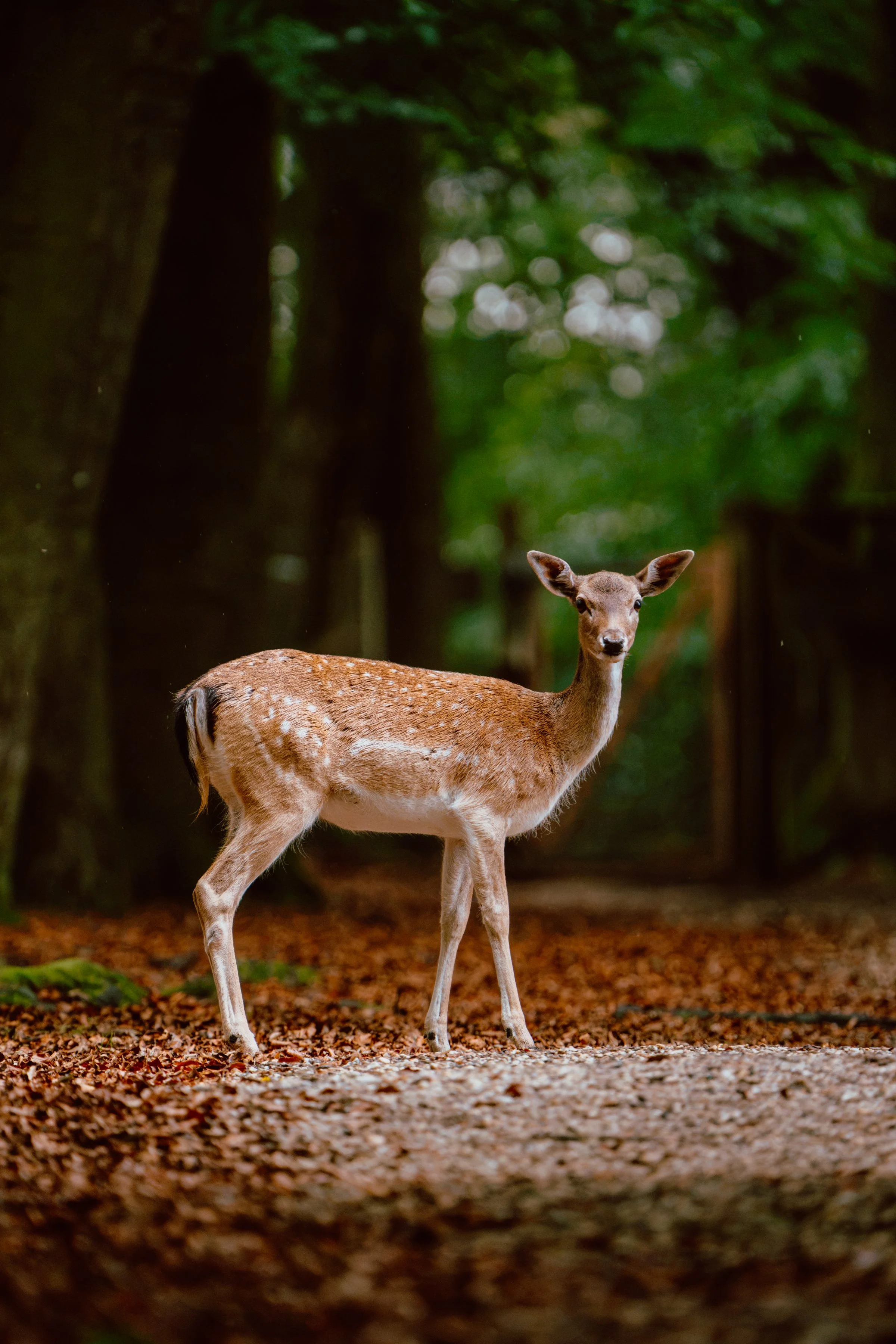
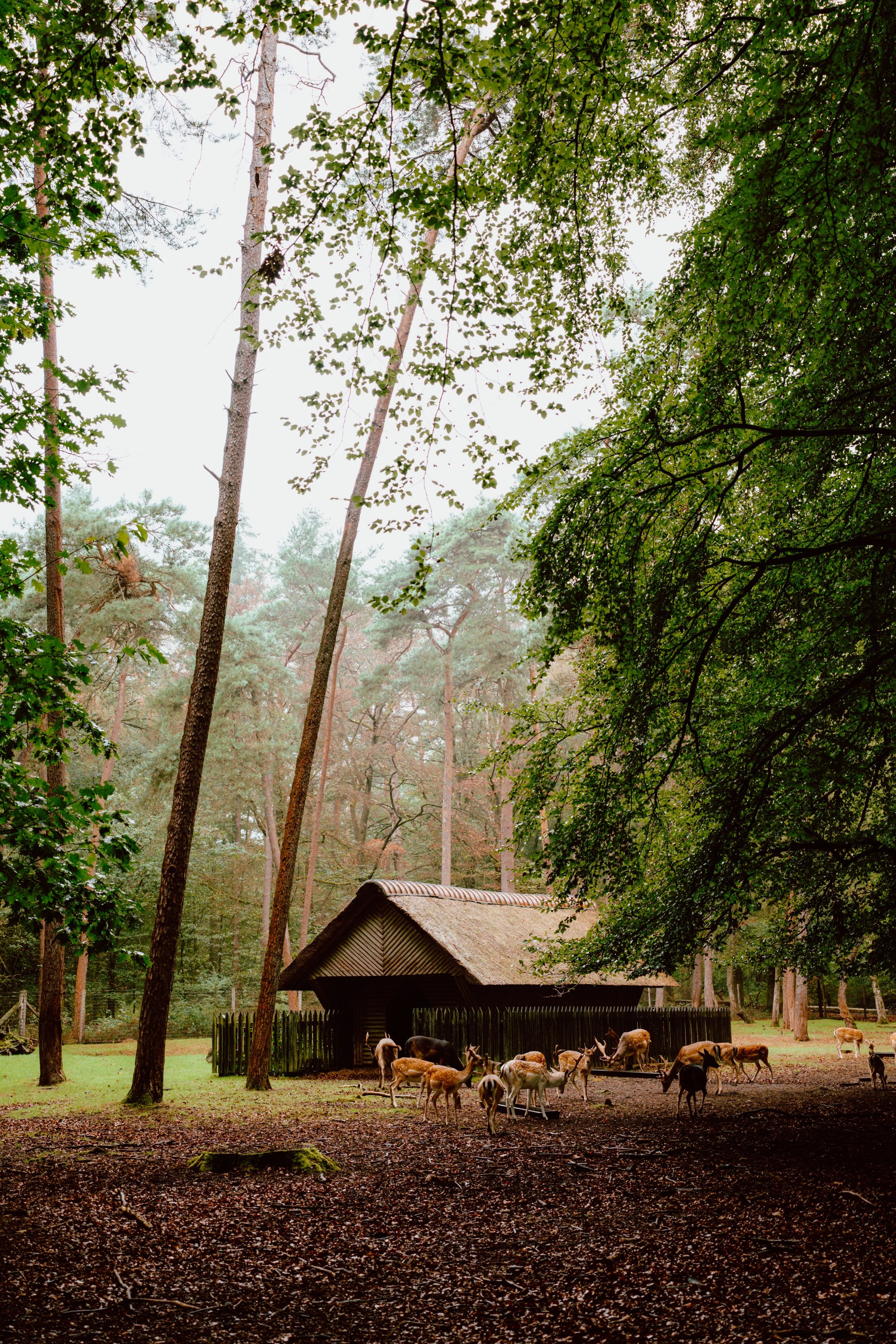
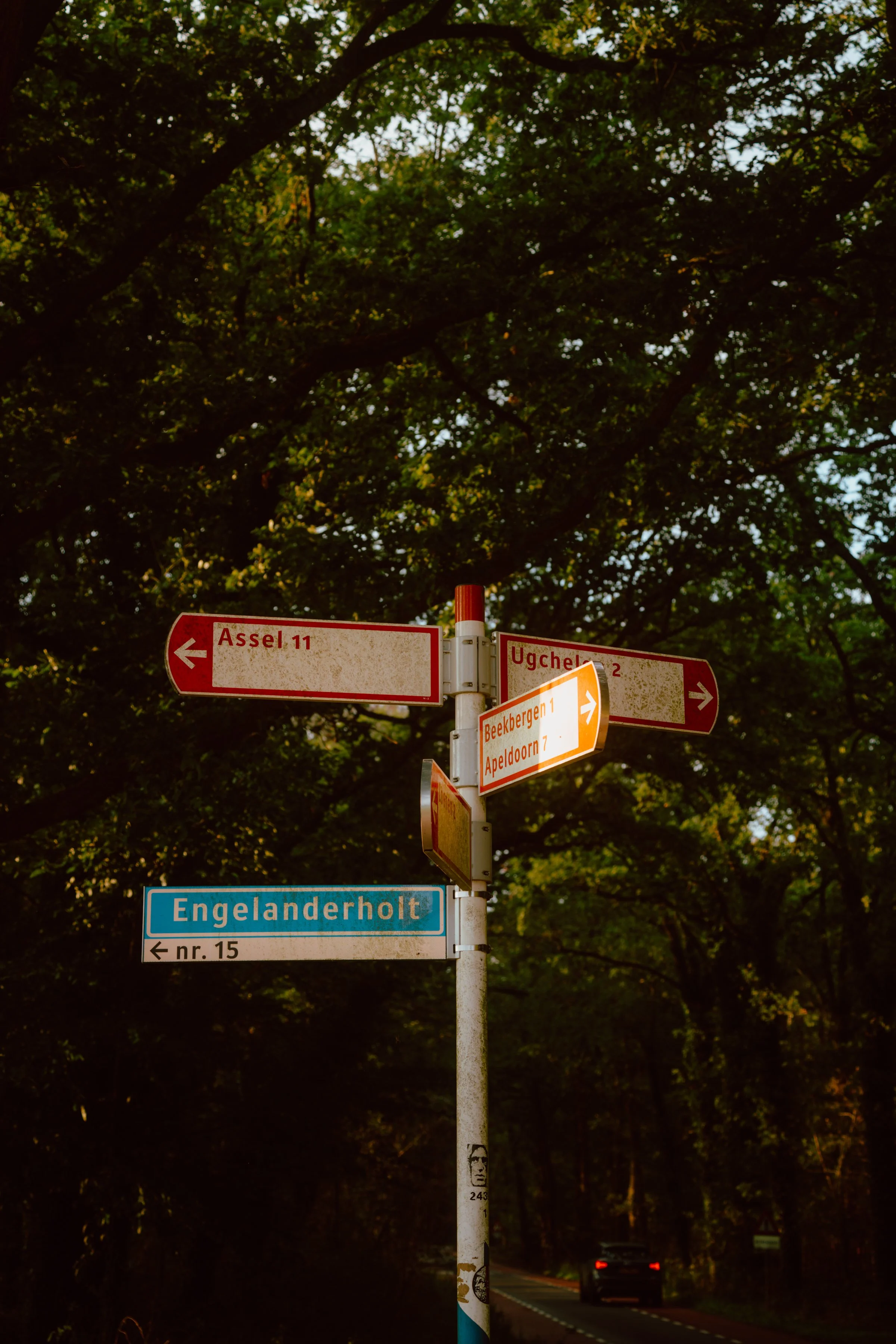
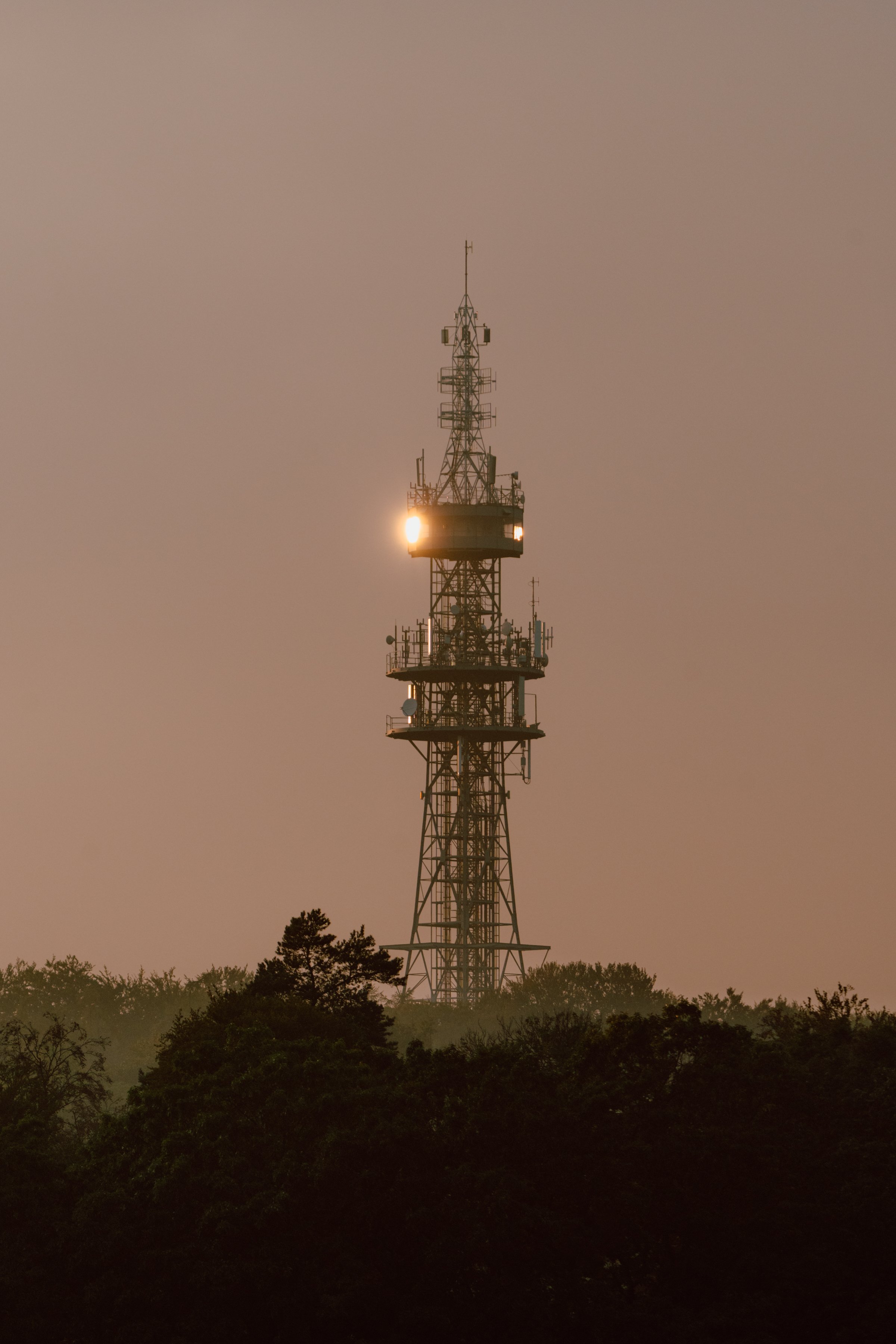
On day 6 of the trip, my one full day on the North Veluwe, I spent most of the late morning and afternoon on a bicycle trip over the Veluwe. I cycled to radio Kootwijk, a former radio transmission station and transmitter town, and onwards through the woods and along small towns like Assel and Hoog Soeren and eventually making my way to the city of Apeldoorn, where I went for a walk at Kroondomein het Loo.
Het Leesten
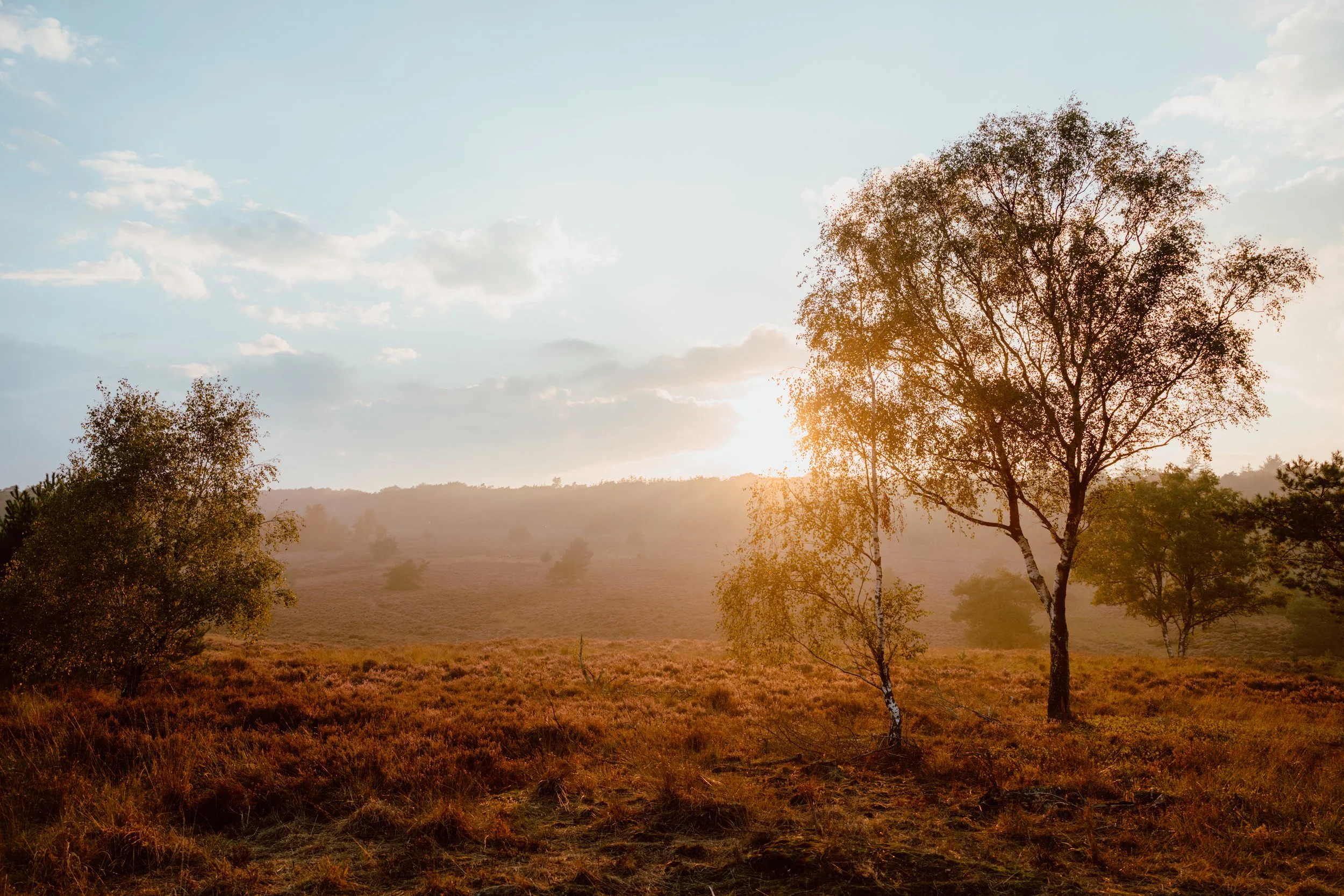
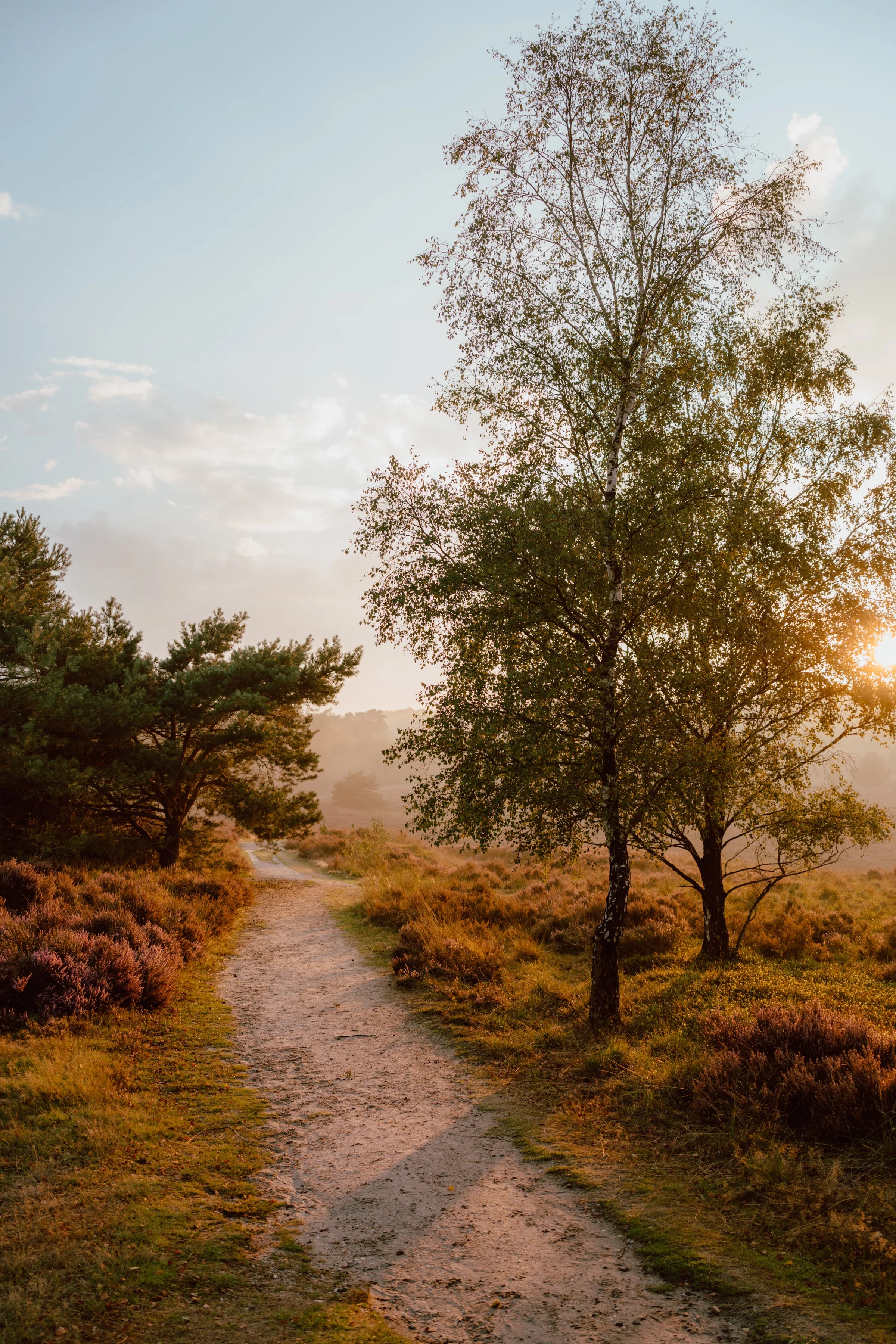
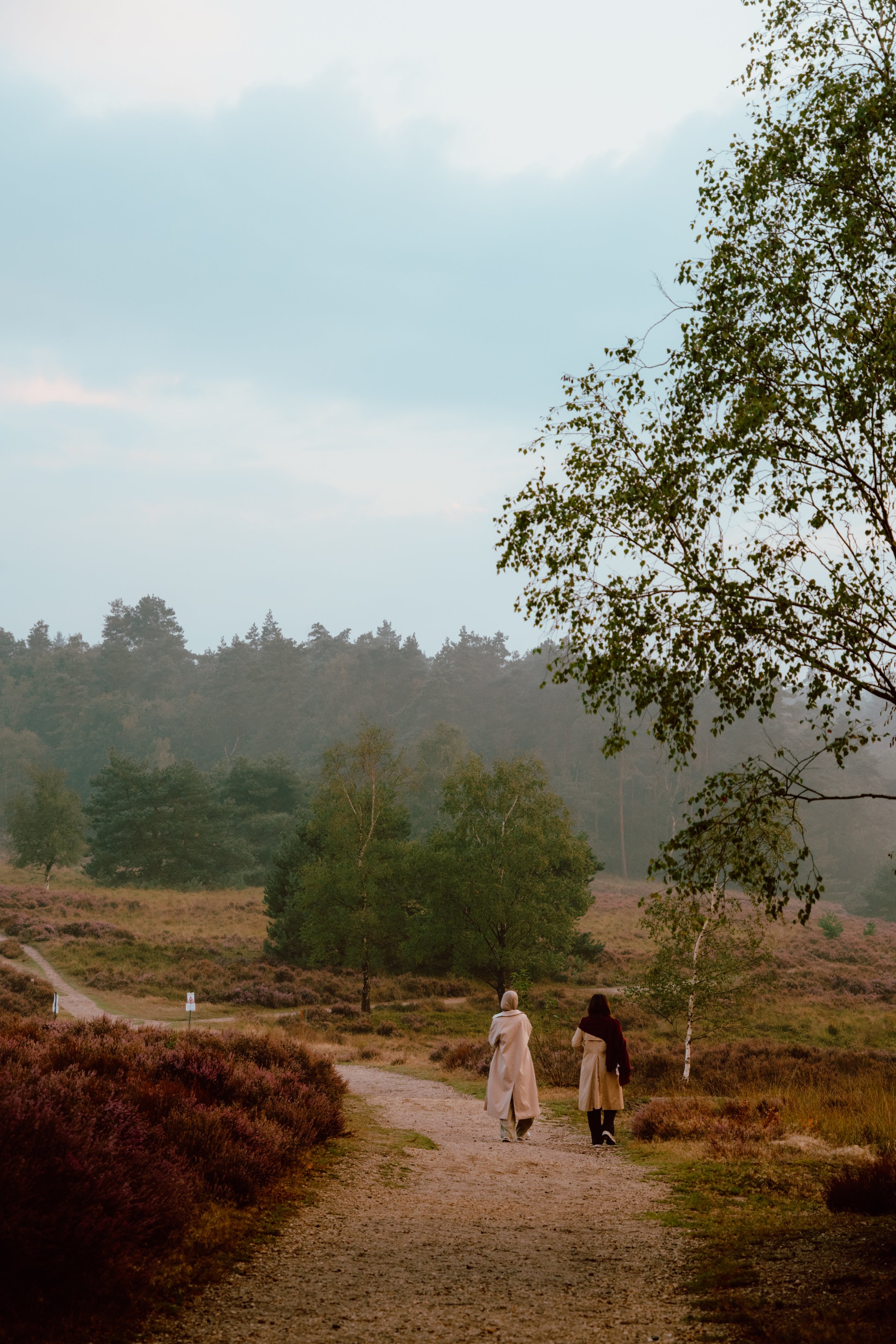
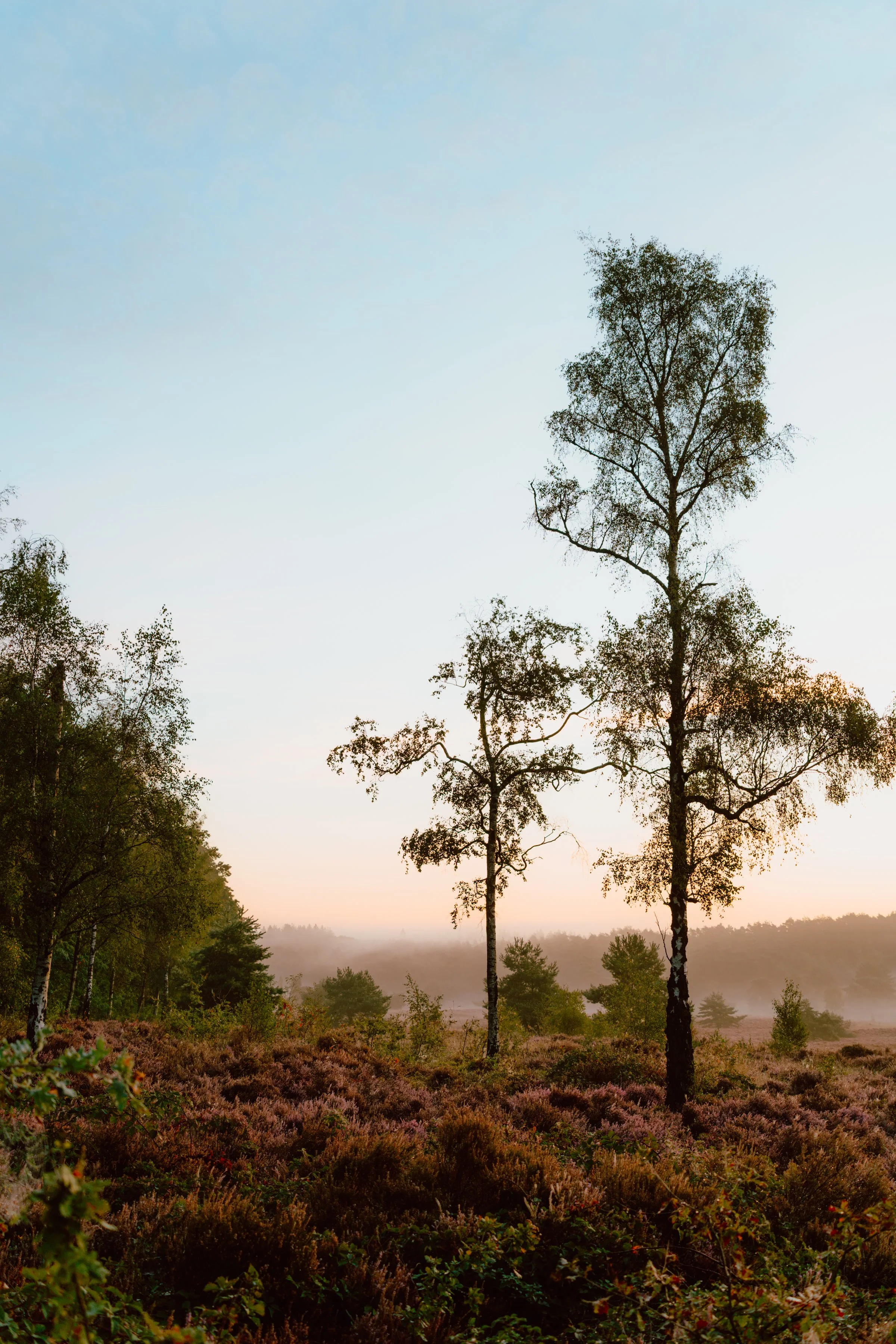
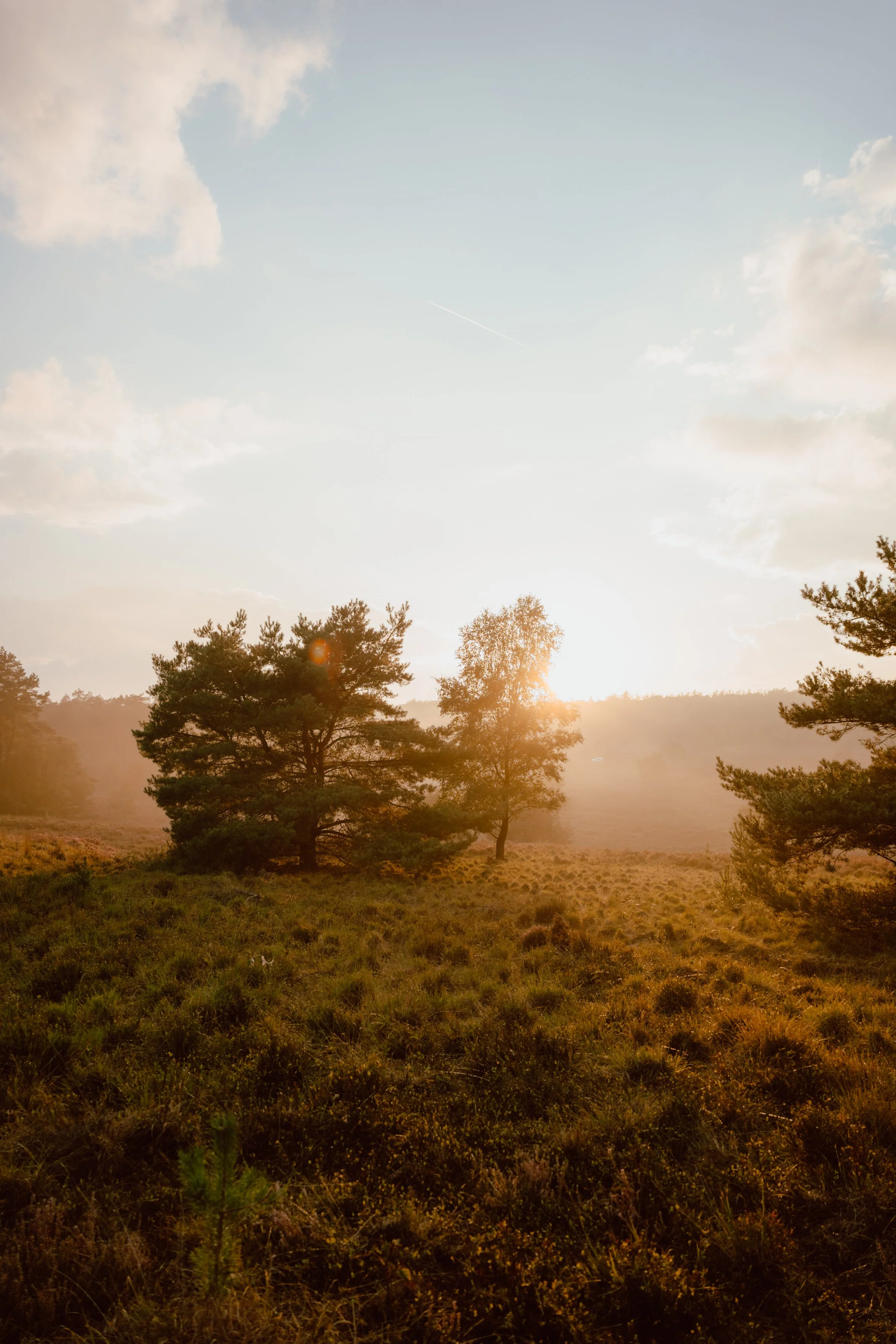
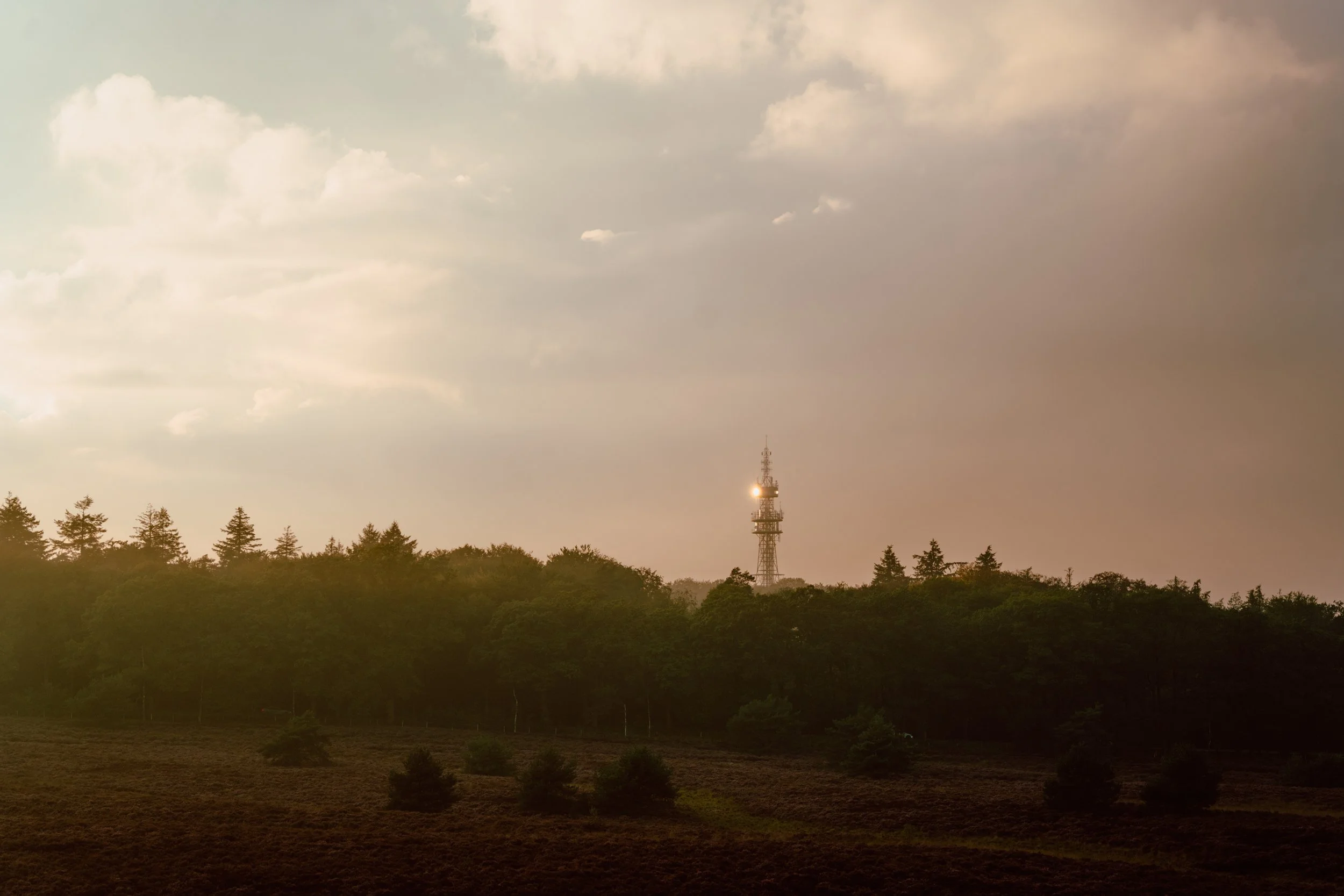
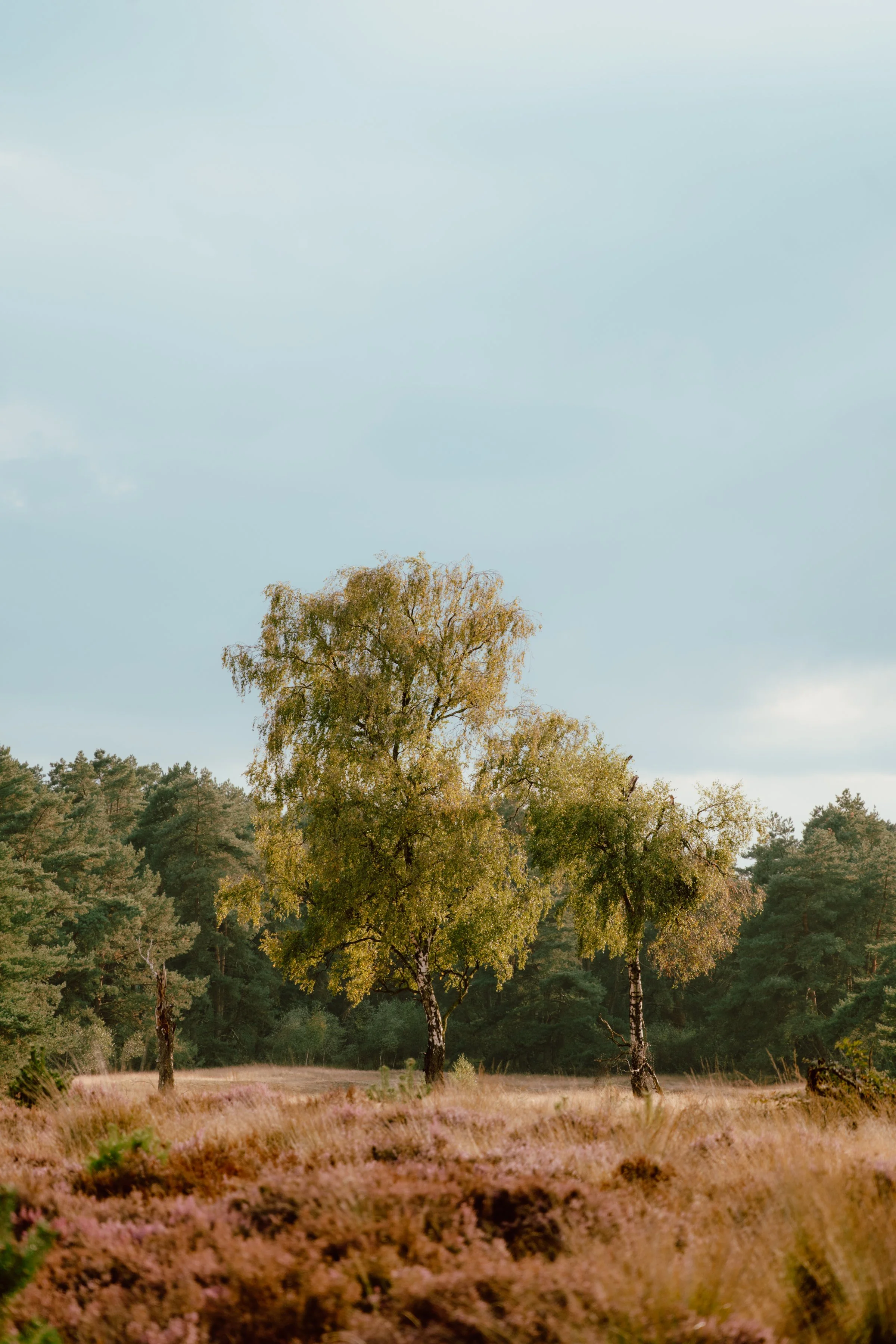
At sunset on day 6 and sunrise of day 7, I spent some time looking over the beautiful rolling heathlands at het Leesten nearby Beekbergen, another area I’ve visited many times as a kid when my parents took me there for sunday walks with the family. While the heather wasn’t fully in bloom anymore, the views were still beautiful and I was surprised with a bit of fog both in the evening and morning complementing the views.
Part 4: Zuid-Veluwe
After that wonderful early morning at het Leesten on day 7, I packed up and got going for the shortest transfer of the trip, tot my 4th stop just outside of Arnhem and right next to the Schaarsbergen entry of National Park De Hoge Veluwe, where I stayed at a wonderful AirBNB called Bed & Bike (it’s changed owners recently and might be closed for a while).
I know I’m pretty much saying the same about every part of this trip, but I’d really been very excited about 4th 2-day stop in between Arnhem and the Hoge Veluwe. Both hold a special place in my heart, Arnhem for being one of my favorite cities in the Netherlands, where I lived on my own for a while the first time when I moved out. It’s a city literally surrounded by nature, but also with plenty of green inside its city limits.
Sonsbeek park
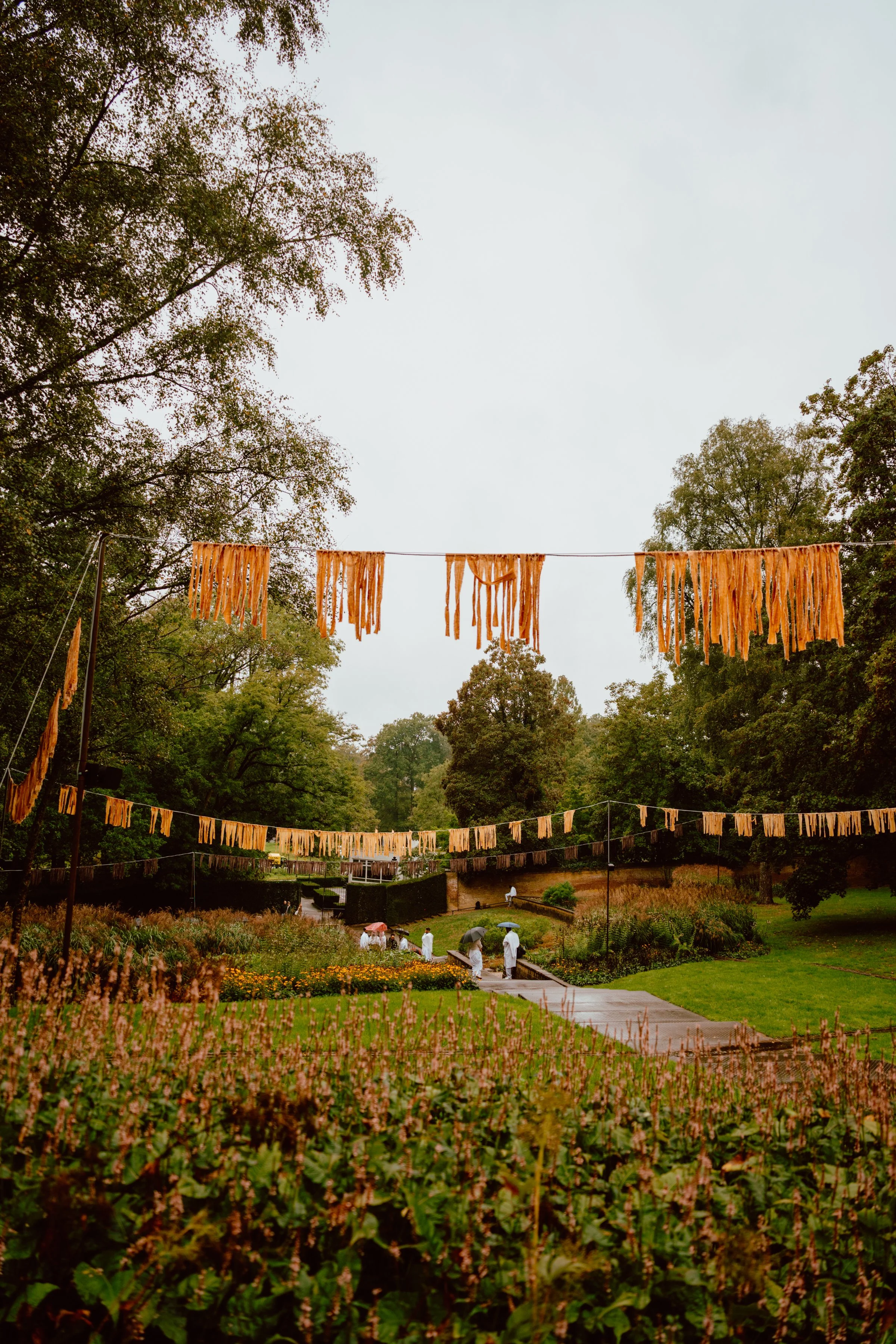
With only a short ride from Beekbergen to Arnhem, maybe 20-25 kilometers taking the touristic route through nature, I did a quick cyling trip down memory lane through Arnhem, where I hadn’t been in years. One of the places I visited was Park Sonsbeek, easily one of the prettiest city parks in the Netherlands. It’s also where I started practicing photography with my first digital camera, a Canon Powershot G2 (which I still own) almost 25 years ago when living nearby.
It had started raining again as I visited, but no amount of bad weather can ruin just how nice this park is with its wonderful differences in elevation formed during the ice age, beautiful old buildings and so on.
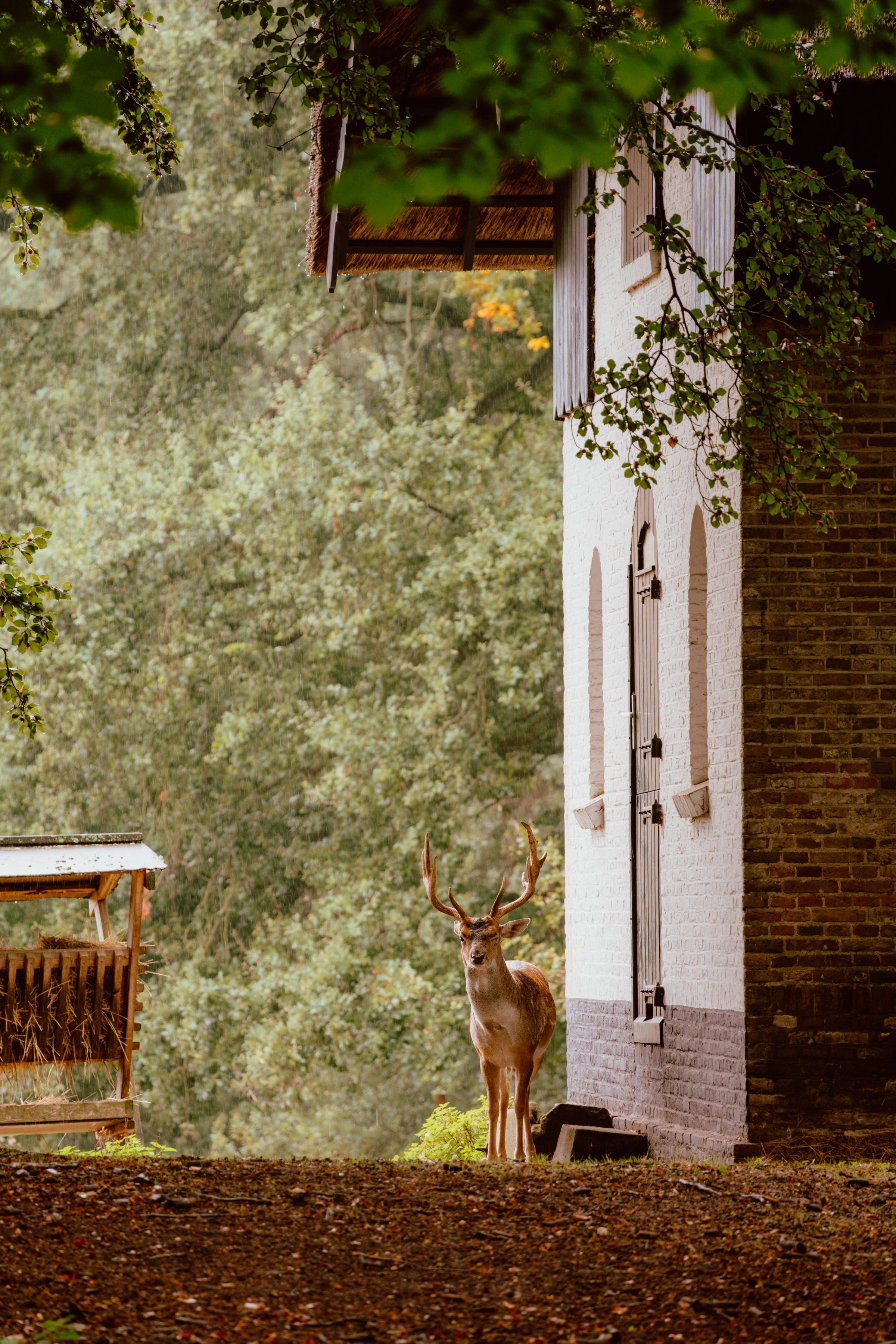
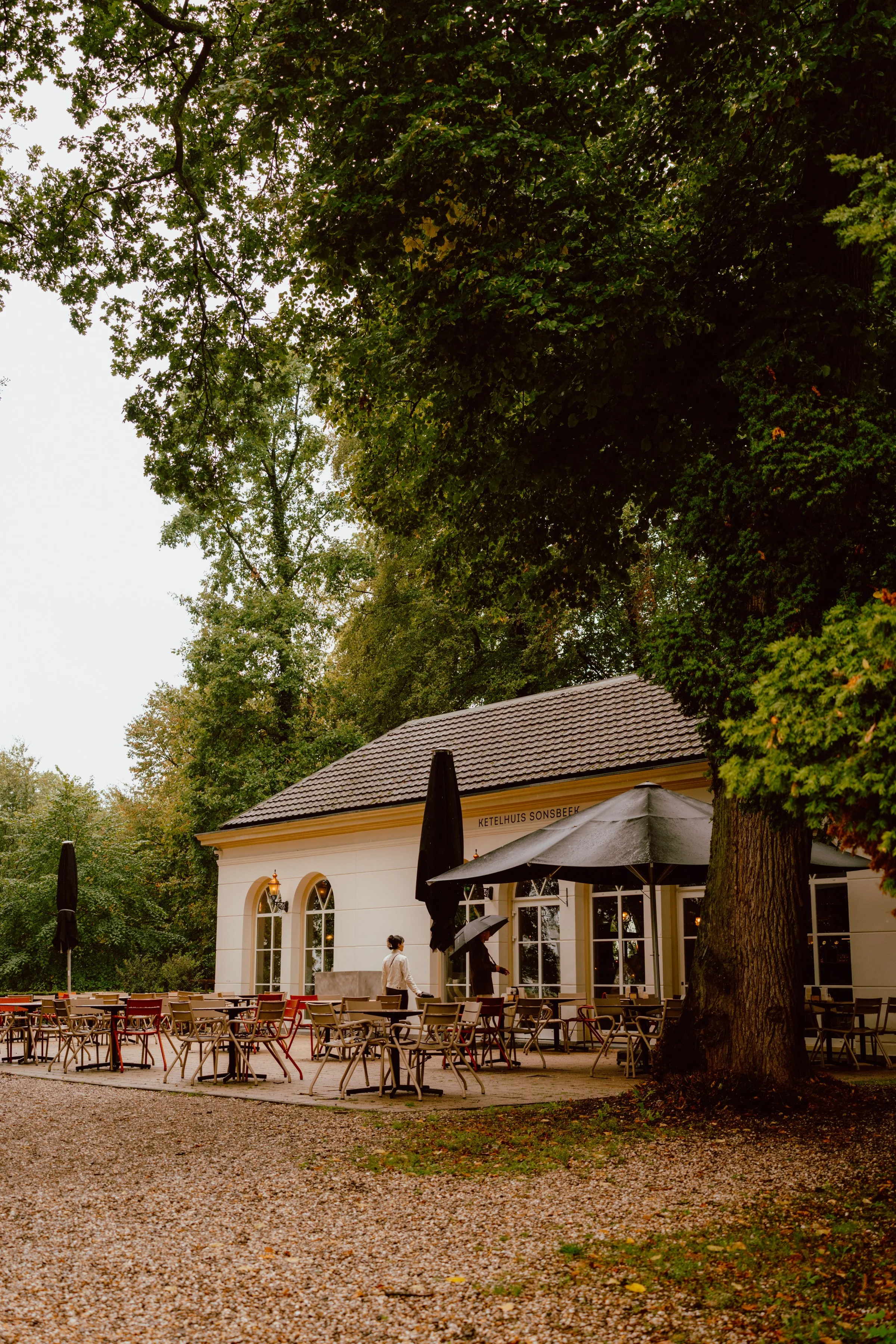
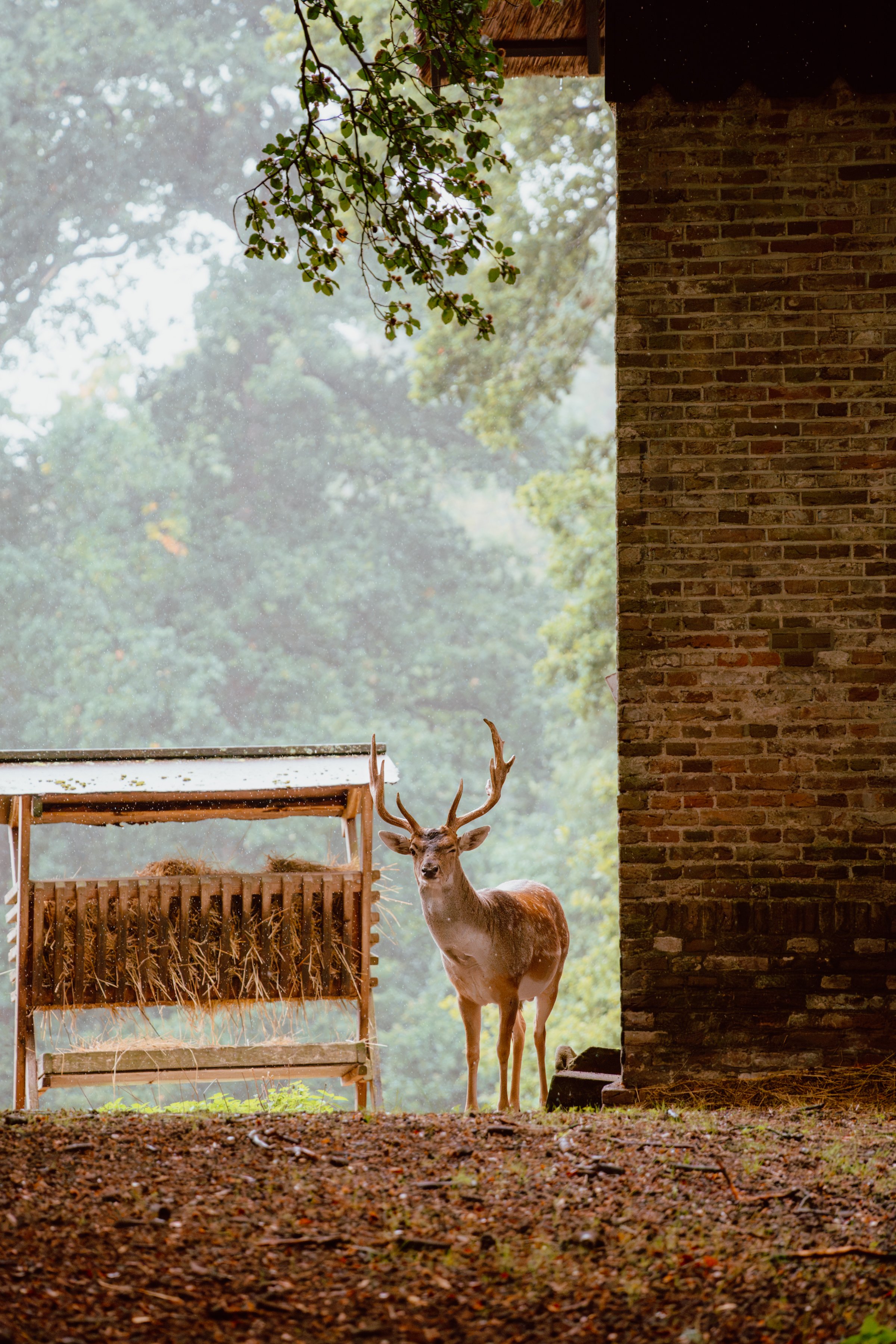
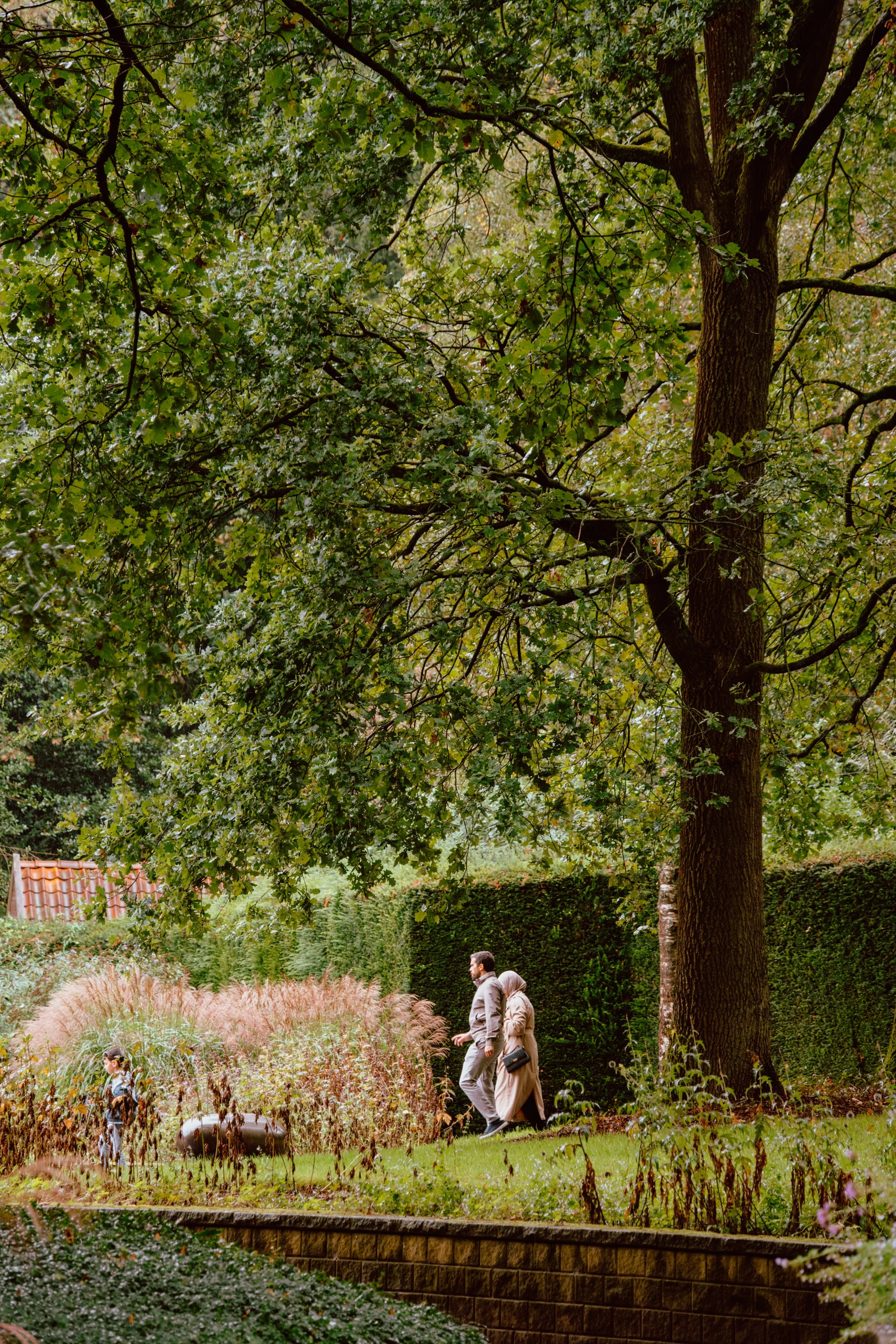
Park De Hoge Veluwe
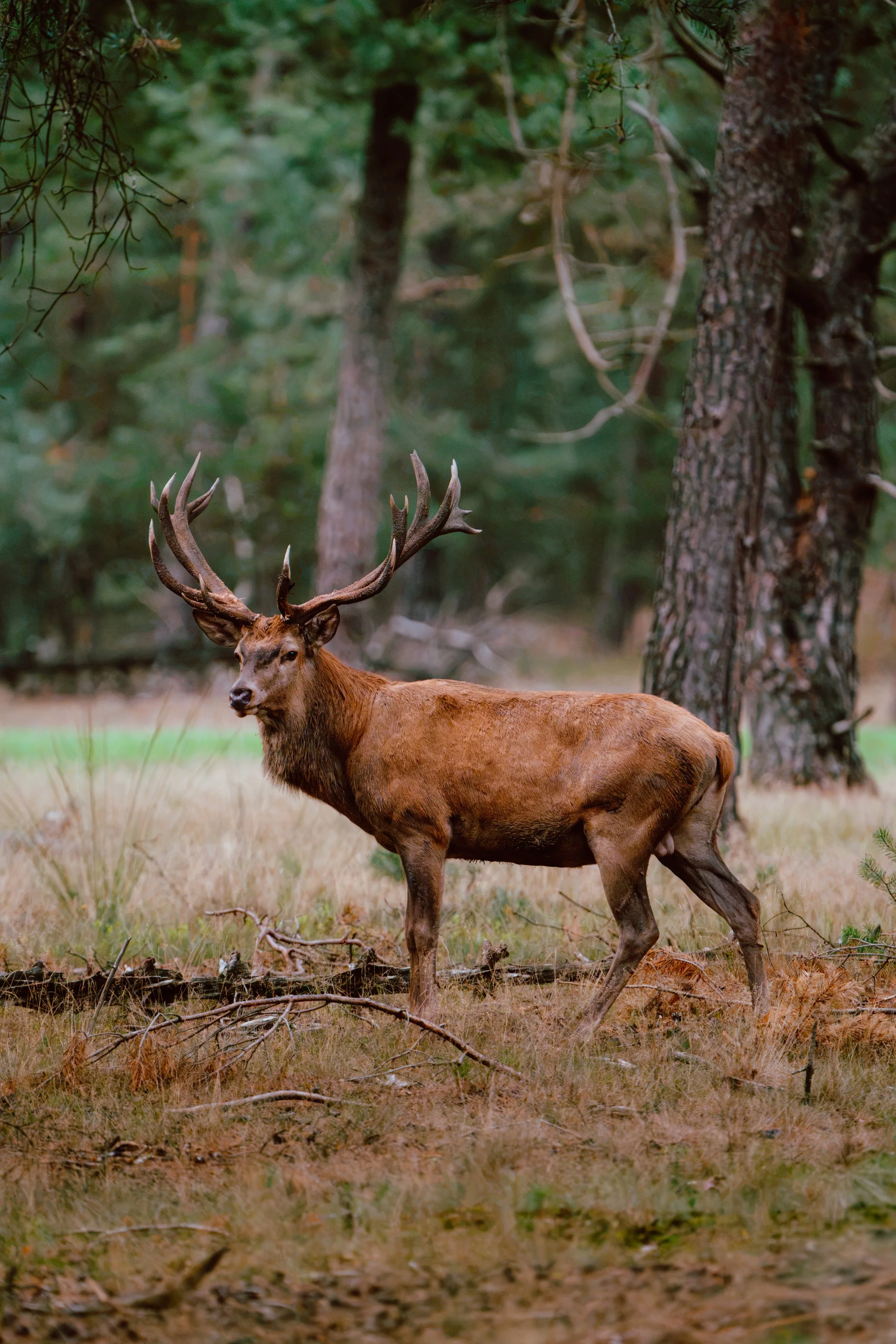
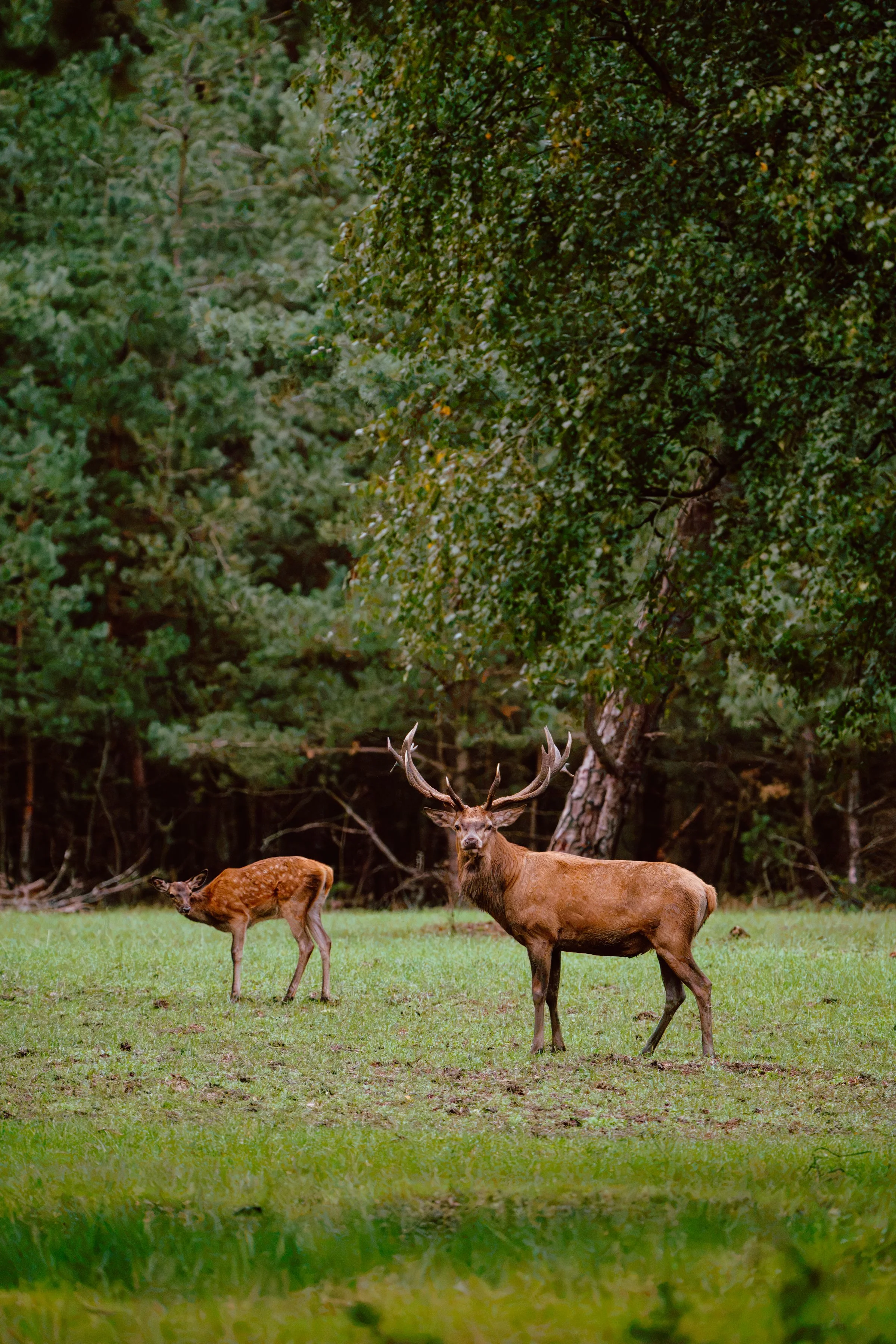
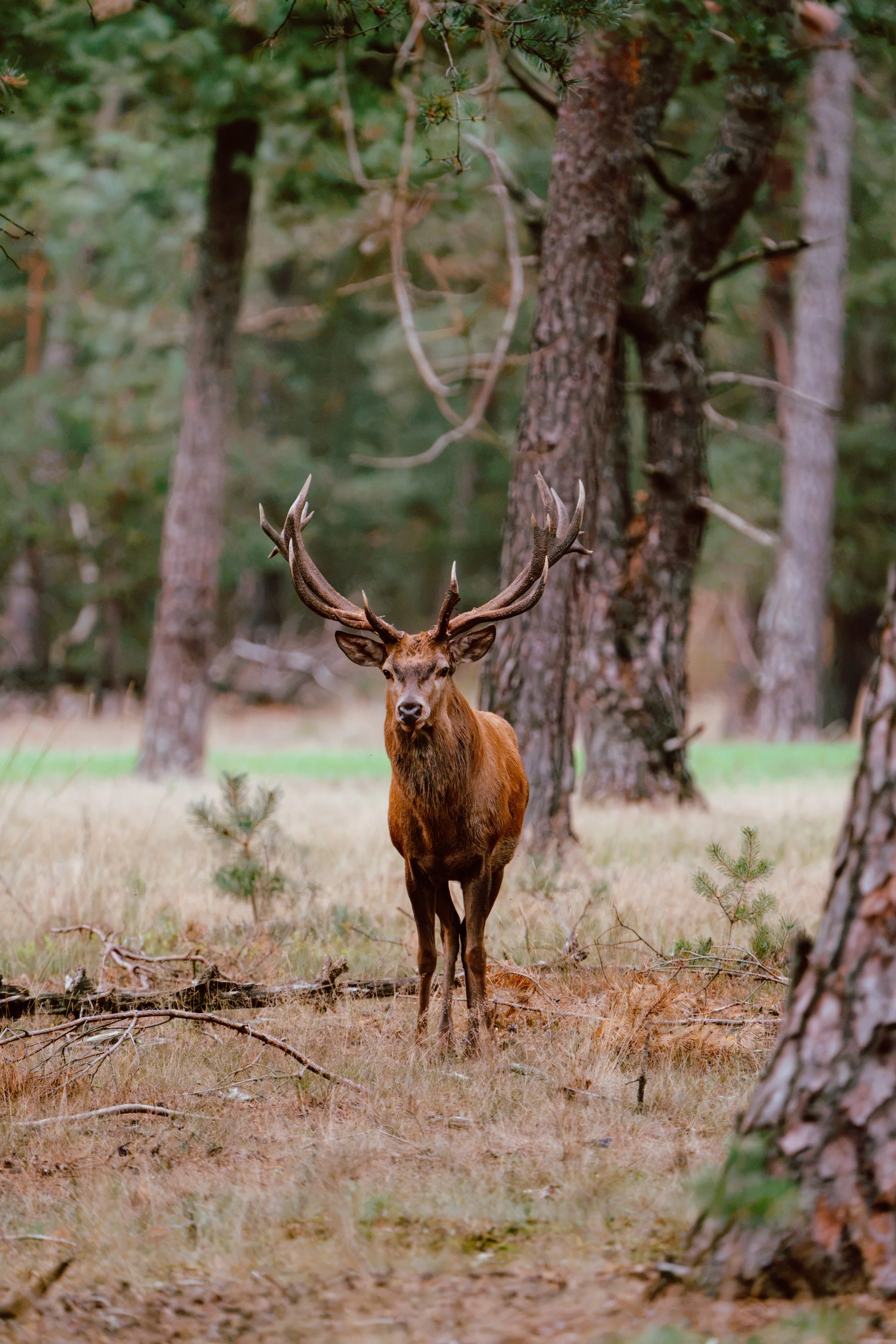
My main focus this part of the trip was Park De Hoge Veluwe. Even though I have my reservations about some of their views on nature management, I love this huge nature parc, its vast open landscape, the wildlife and interesting history. I spent my first evening in the area looking for deer at one of the hides and in the open field, and found some that I managed to photograph as well despite the less than ideal lighting conditions at dusk. I returned to the Hoge Veluwe the next day to explore further, and ended up cycling for hours, covering most of the parc and visiting my favorite spots around the area.
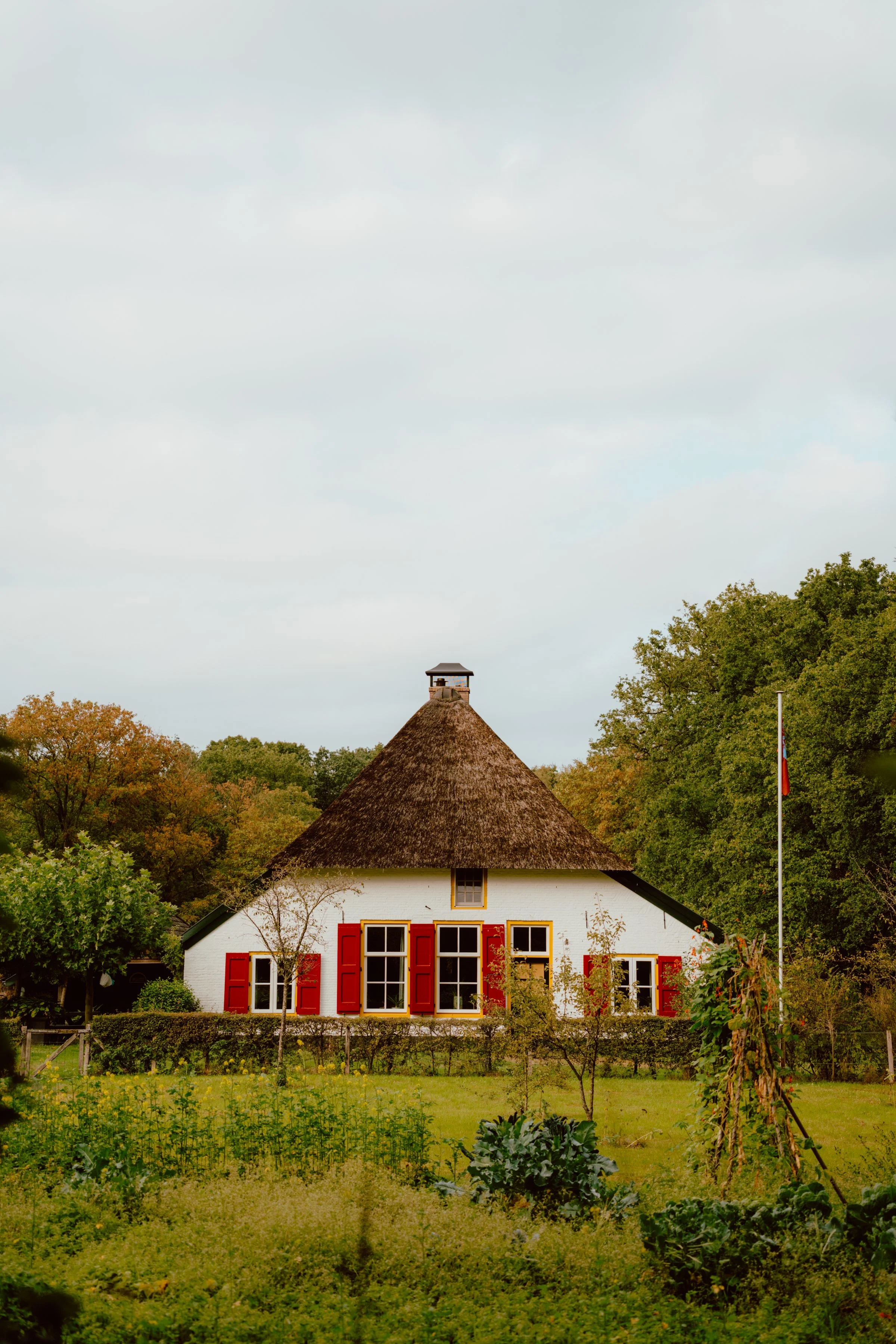
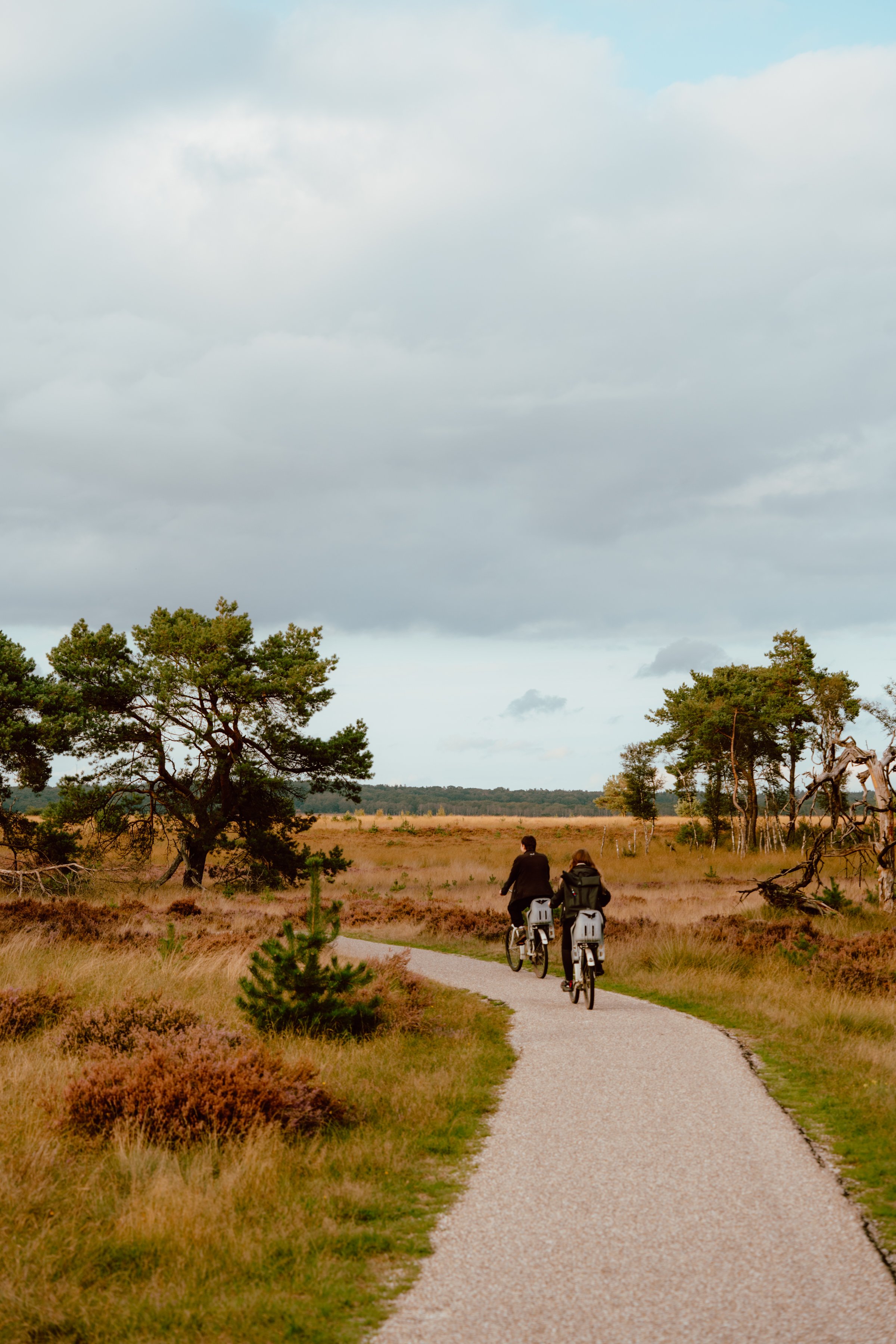
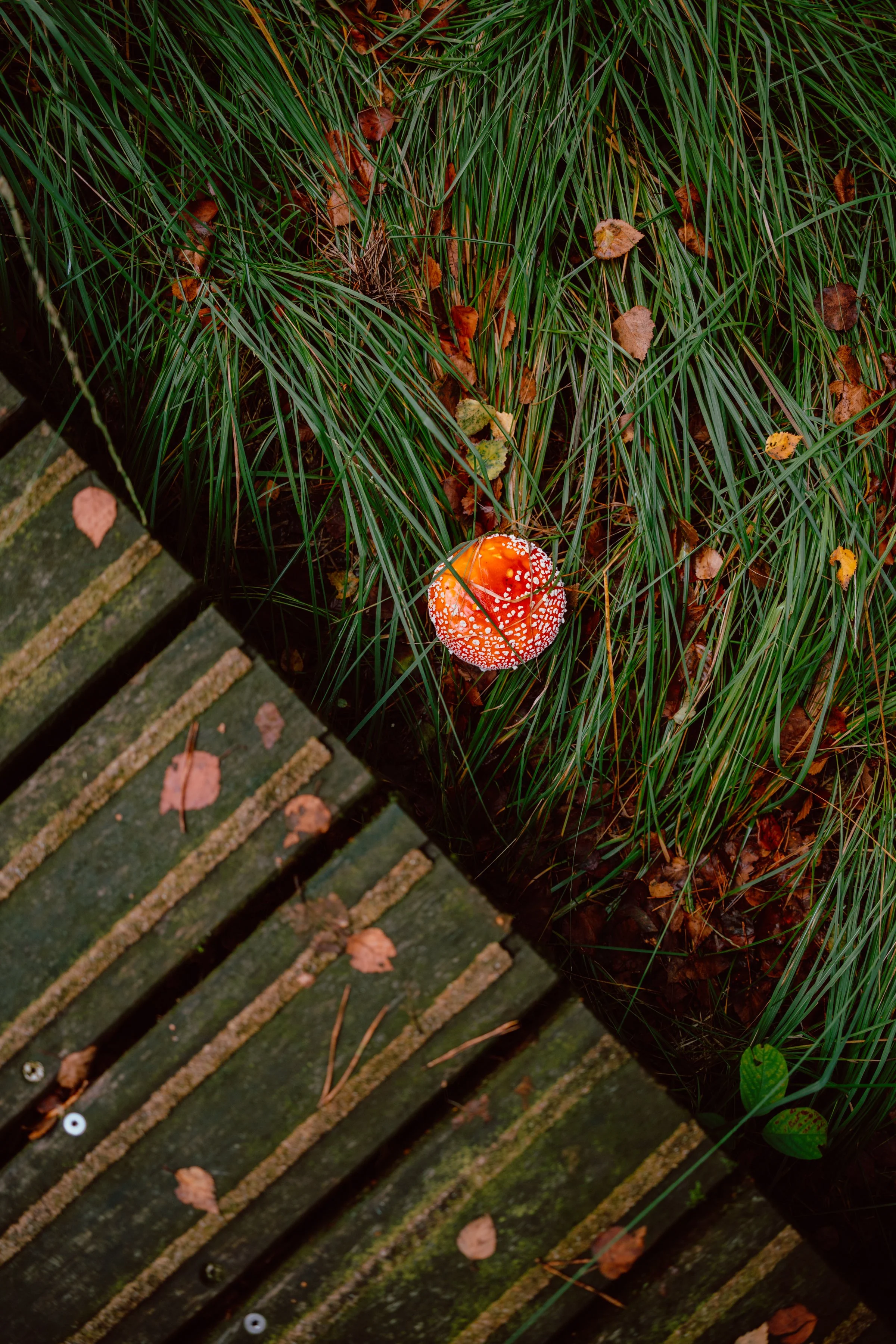
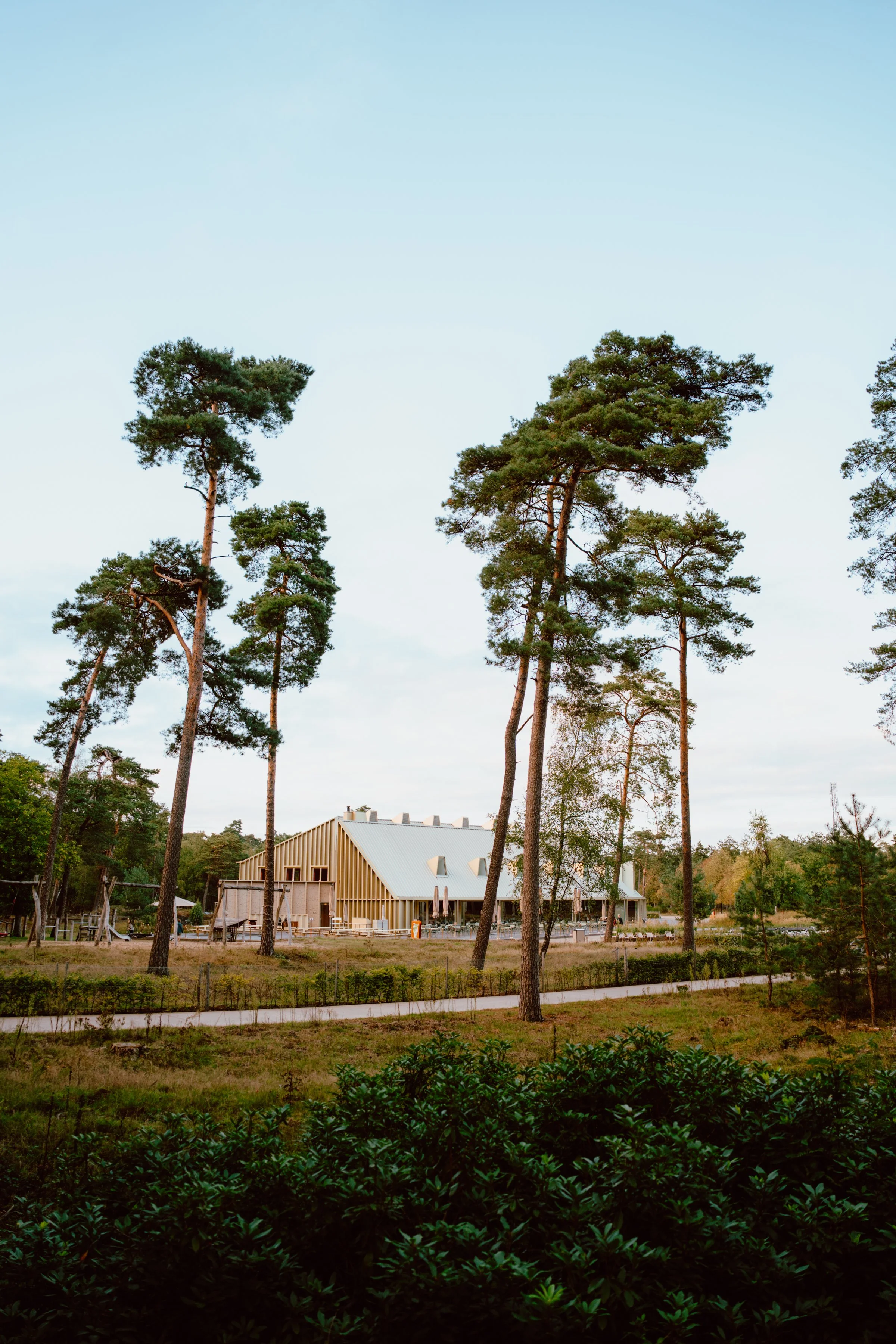
Part 5: Utrechtse Heuvelrug
On the morning of day 9, it was time to pack up once more and cycle to the next and final stop of the trip: the Utrechtse Heuvelrug. It’s a natural region central in the Netherlands and an area I didn’t know very well before going there.
Cycling Along the Nederijn
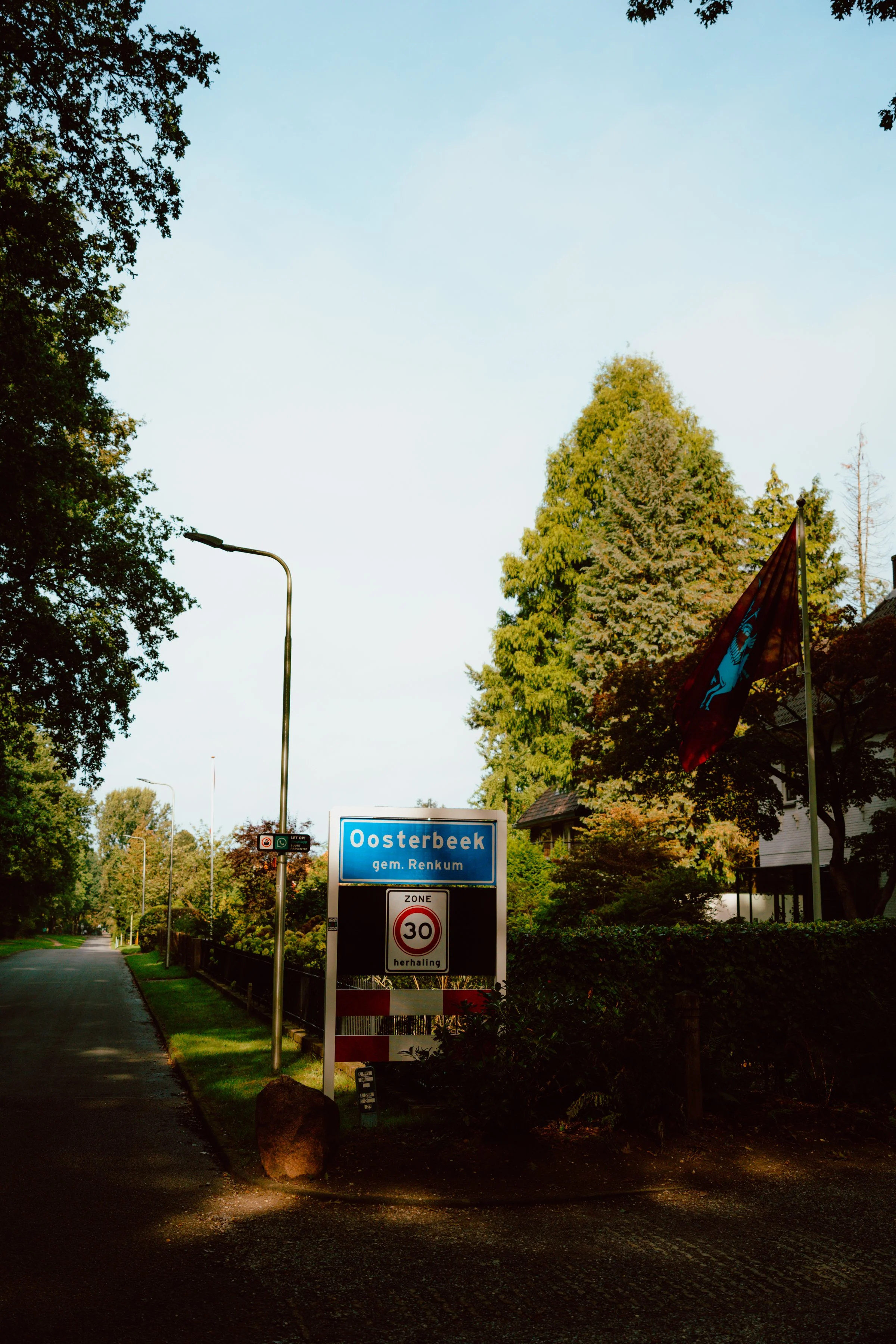
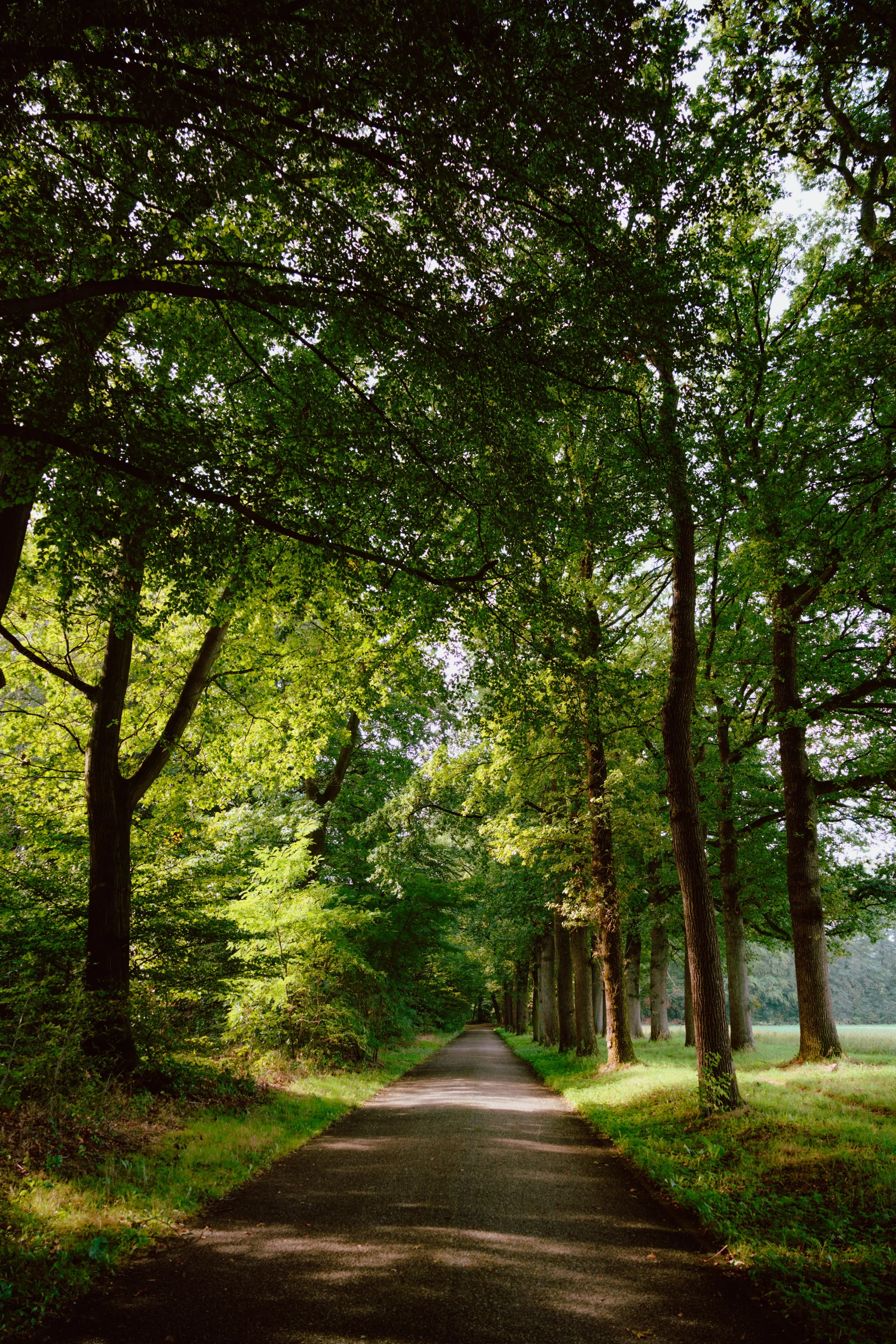
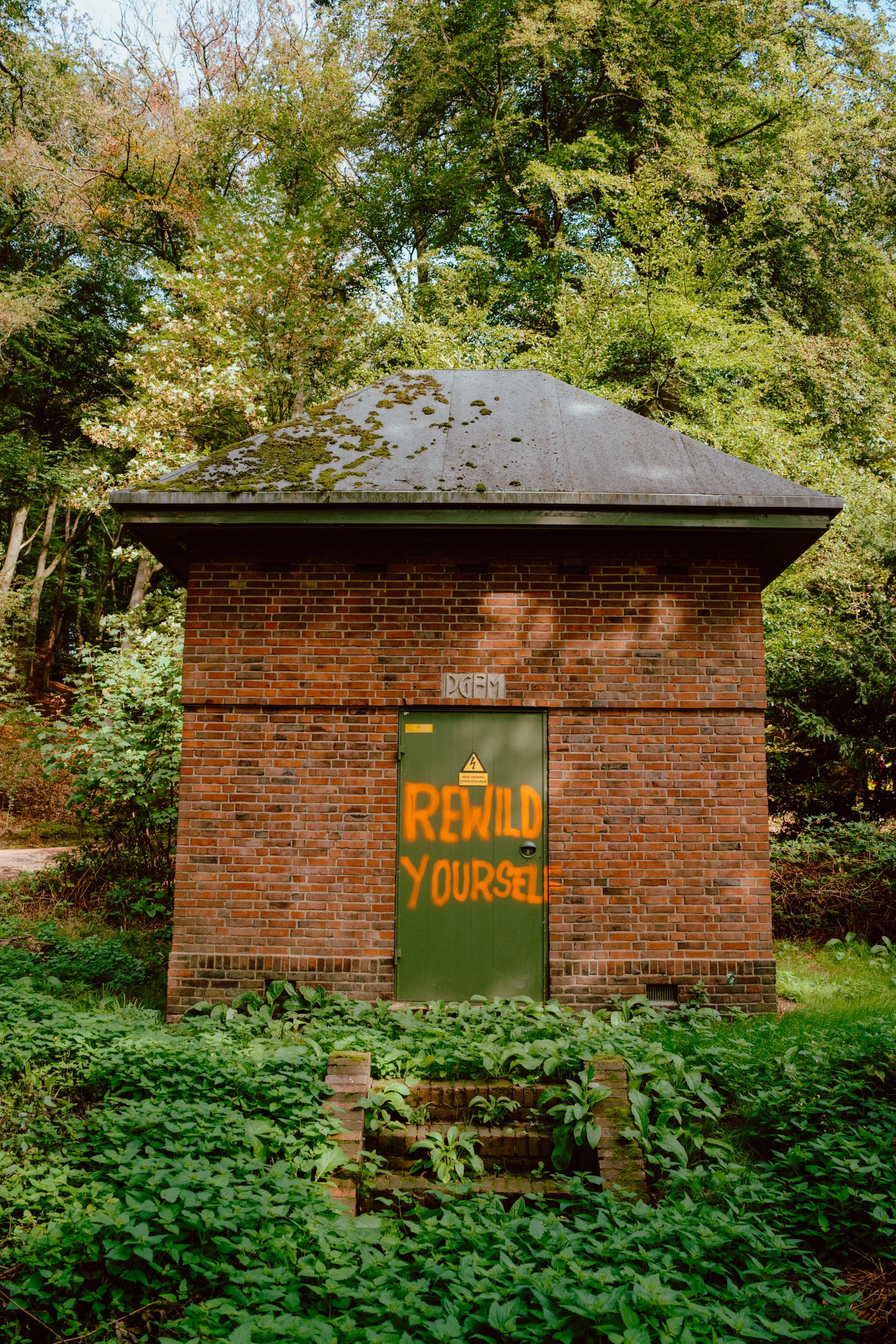
Cycling from Arnhem to Doorn, where I would be staying the last two days of the trip, I planned my route along the Nederijn, away from busy traffic. Not knowing most of the route too well, I was blown away by how beautiful it was. From Arnhem, I cycled through Oosterbeek, Doorwerth, Renkum, Wageningen, Rhenen, Amerongen, and finally into Doorn. Here’s some photos I took along the way that day:
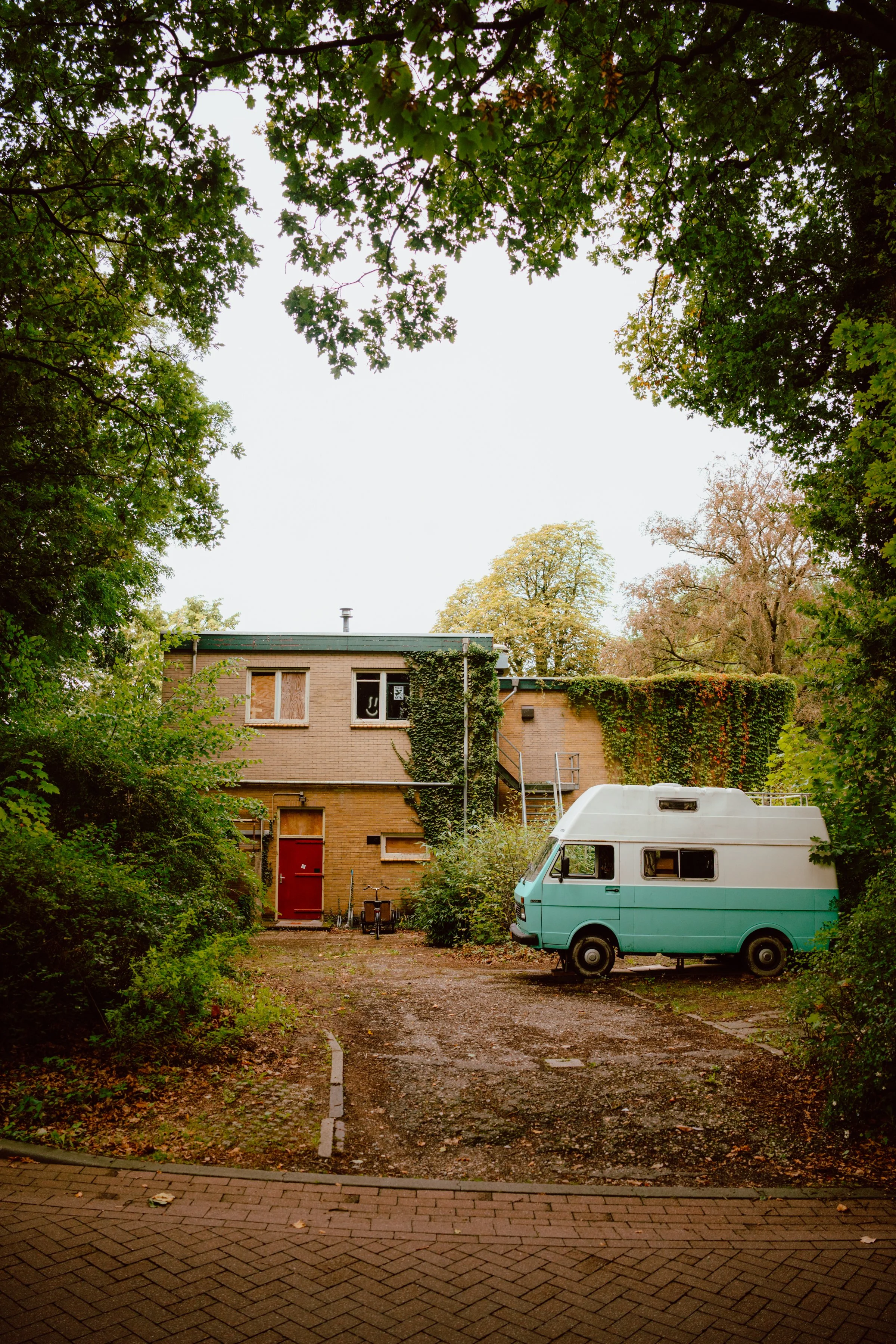
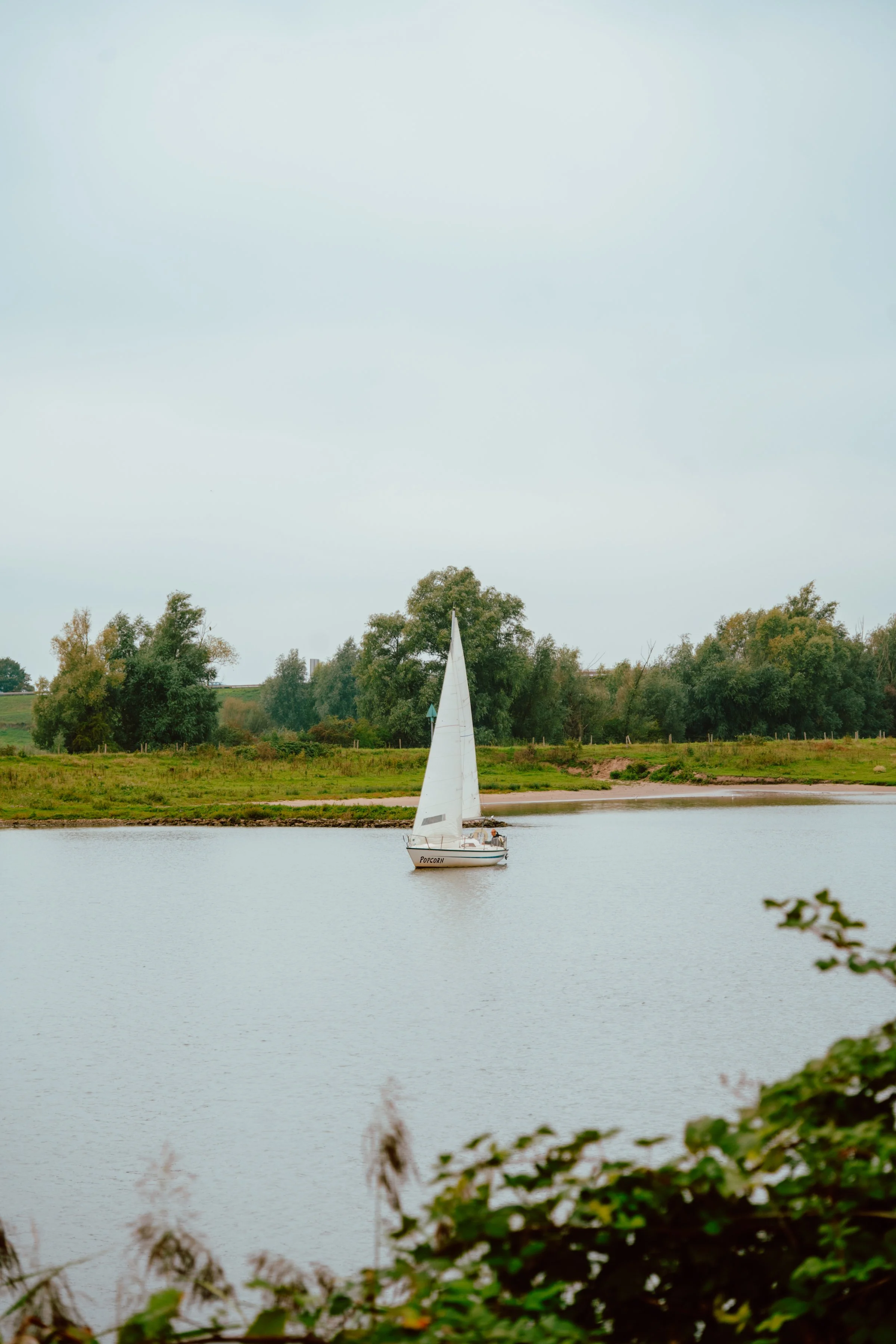
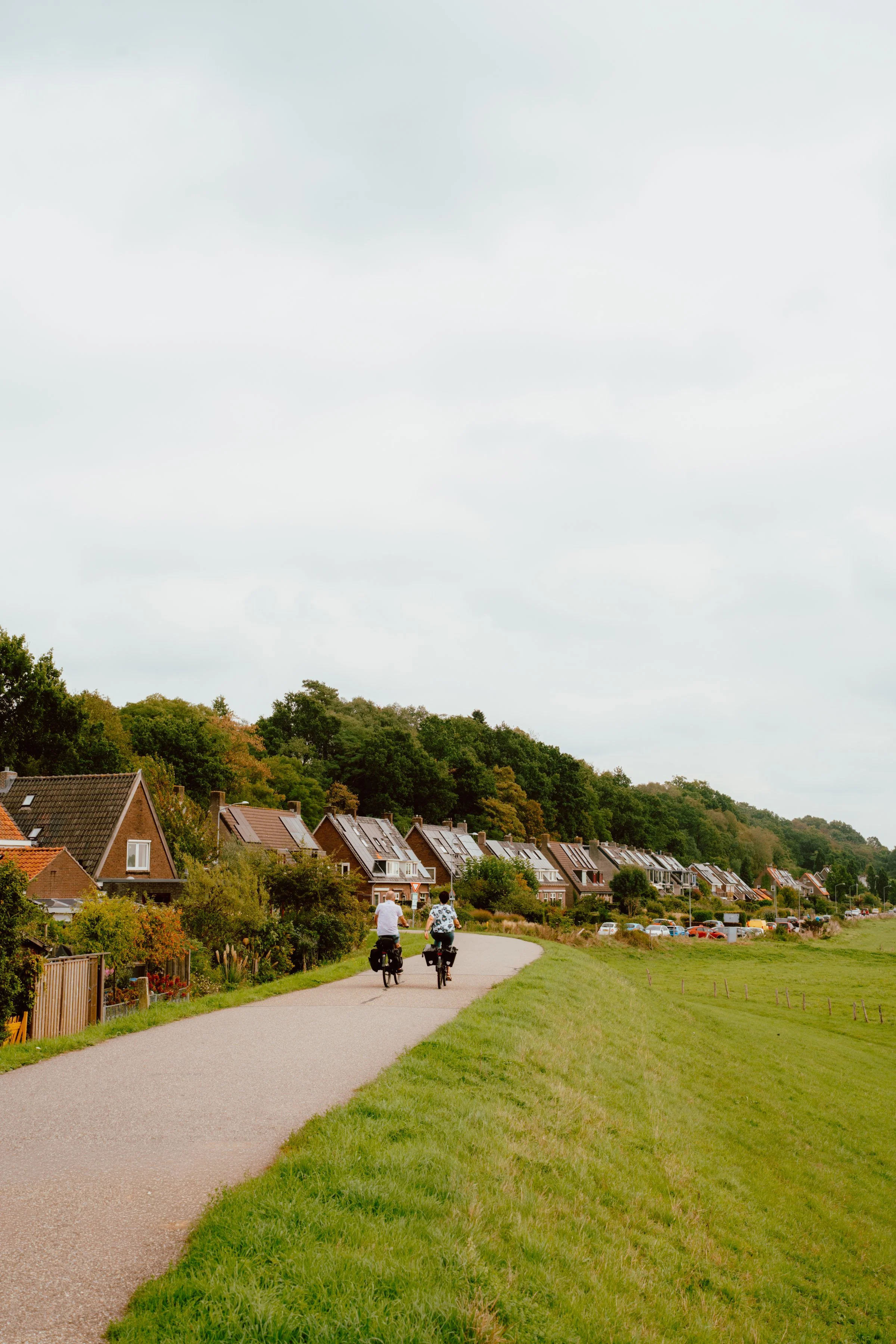
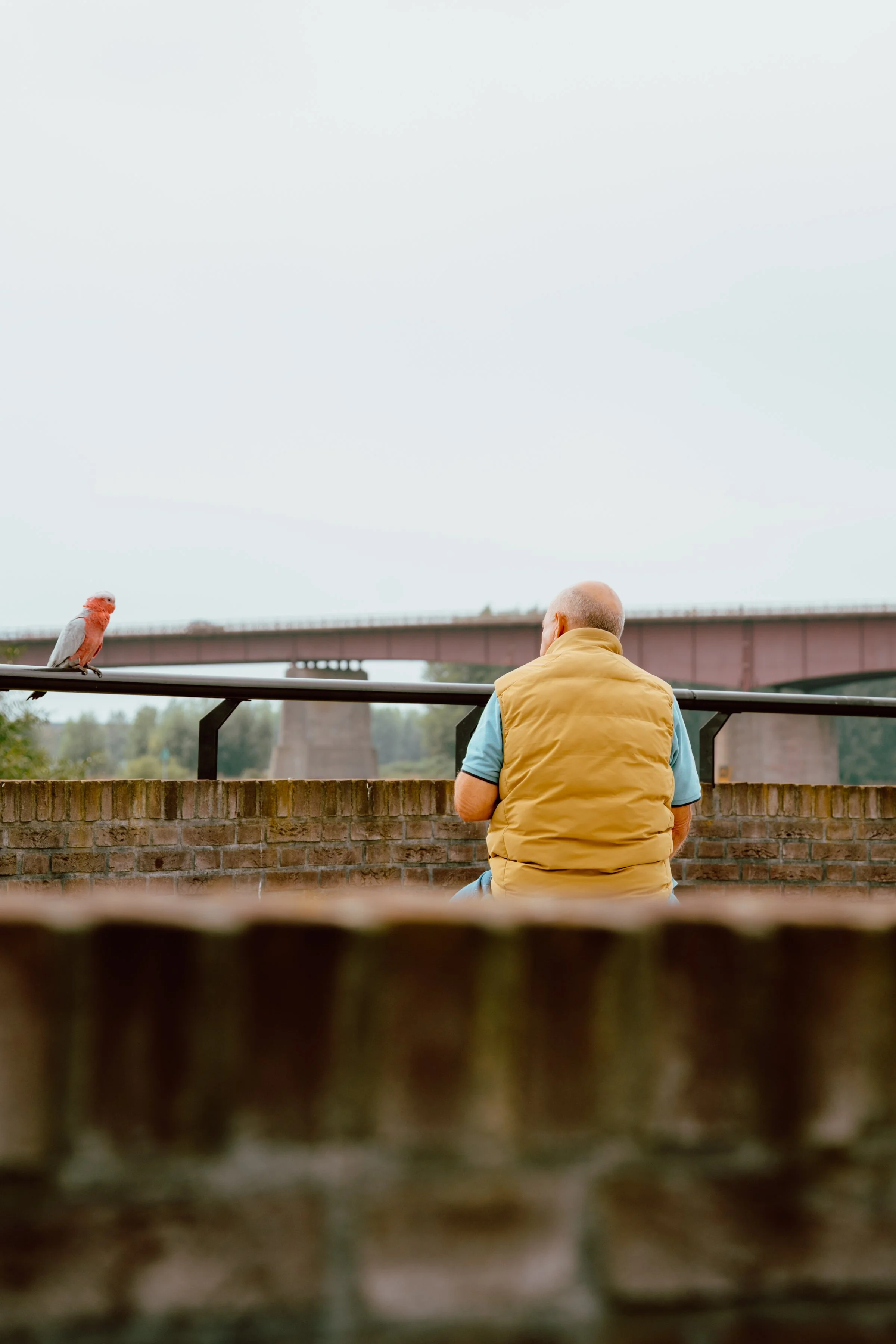
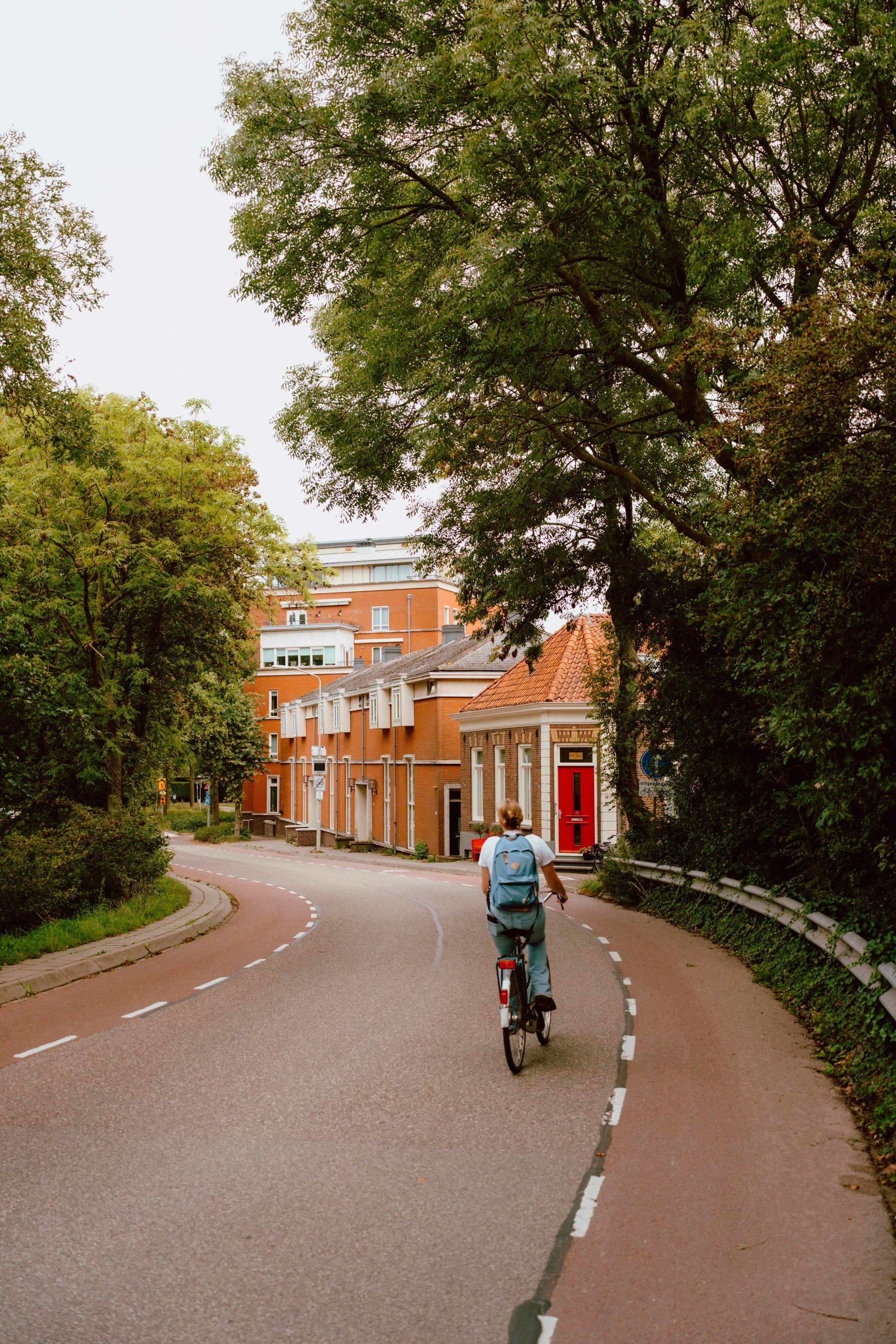
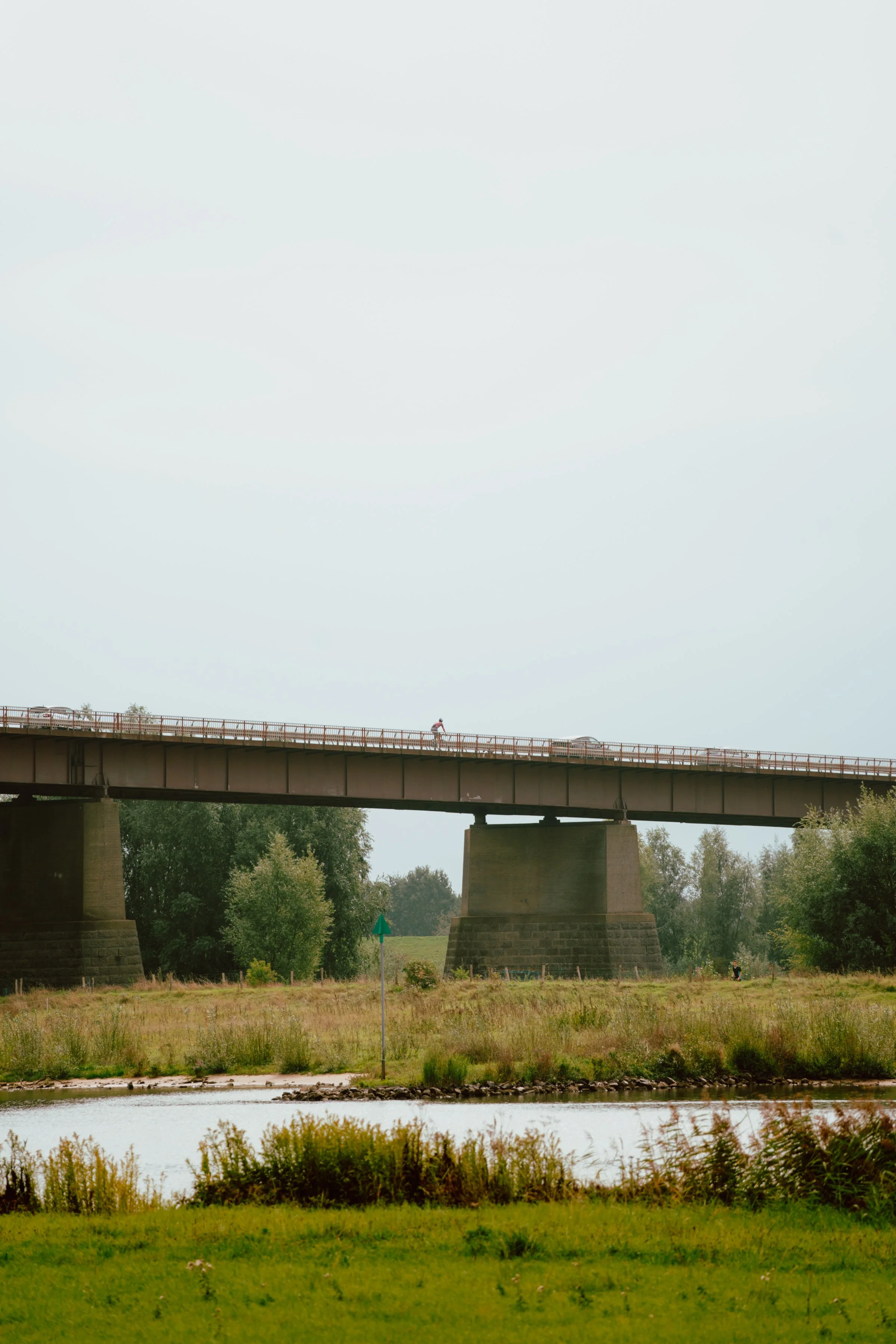
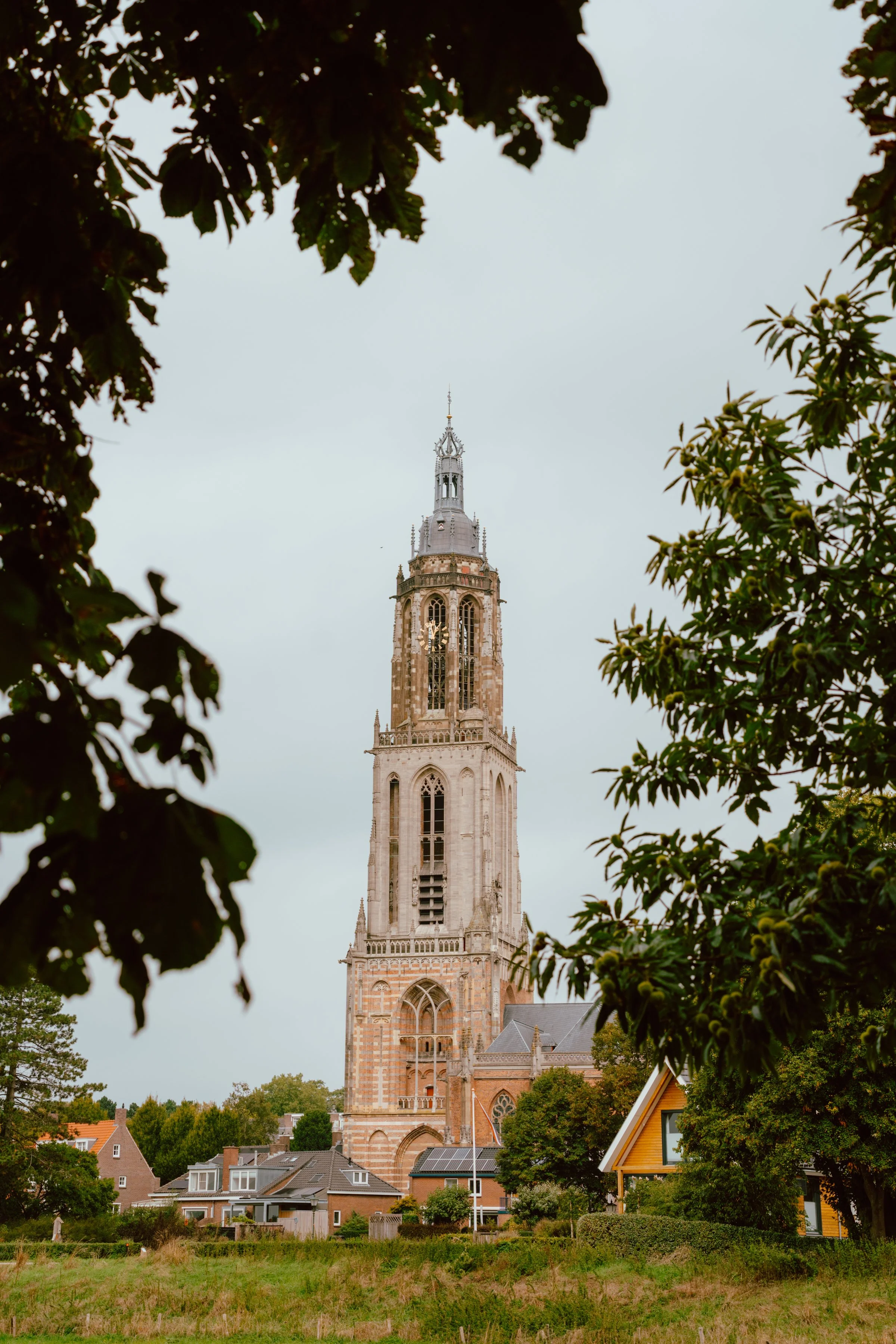
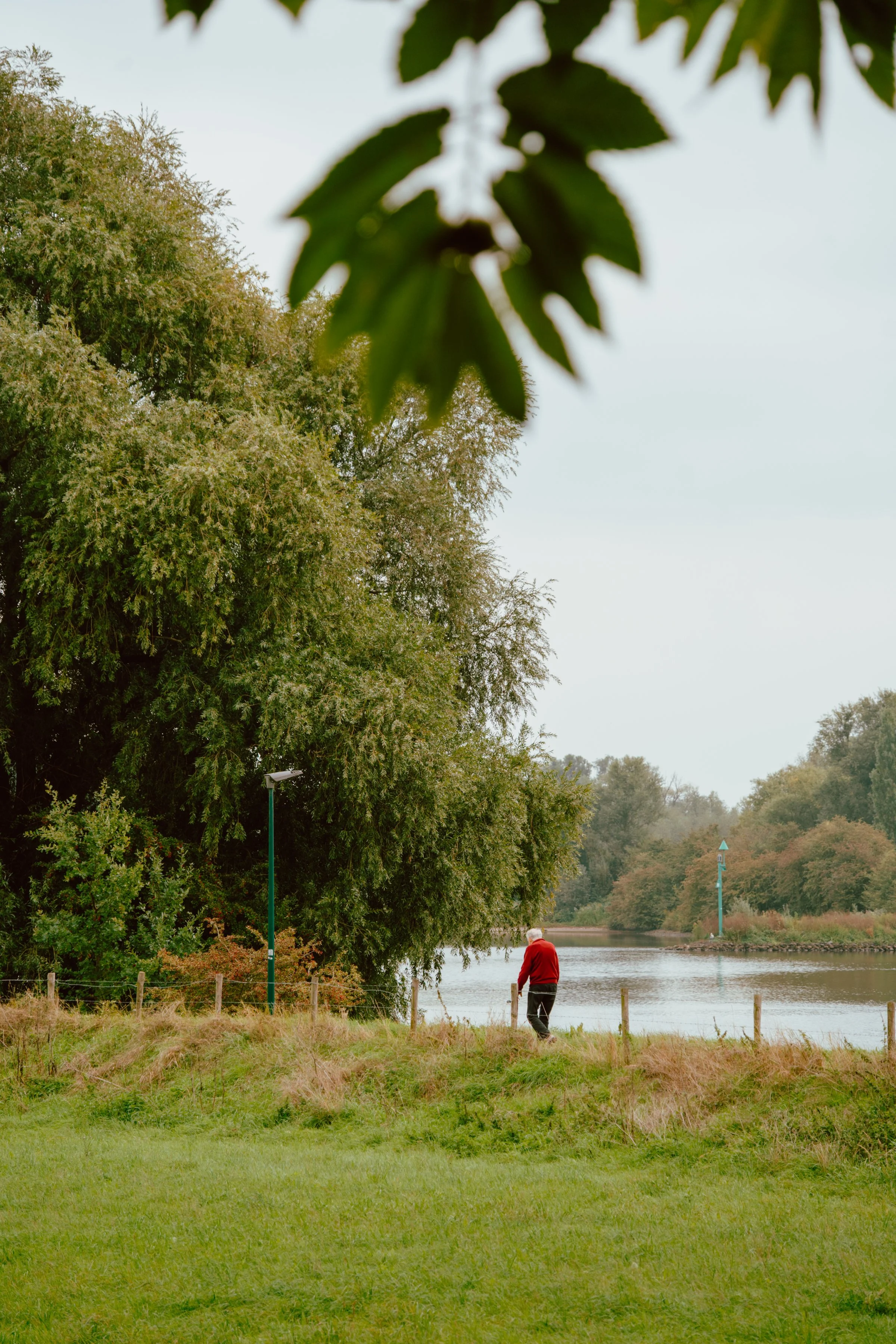
Kaapse bossen
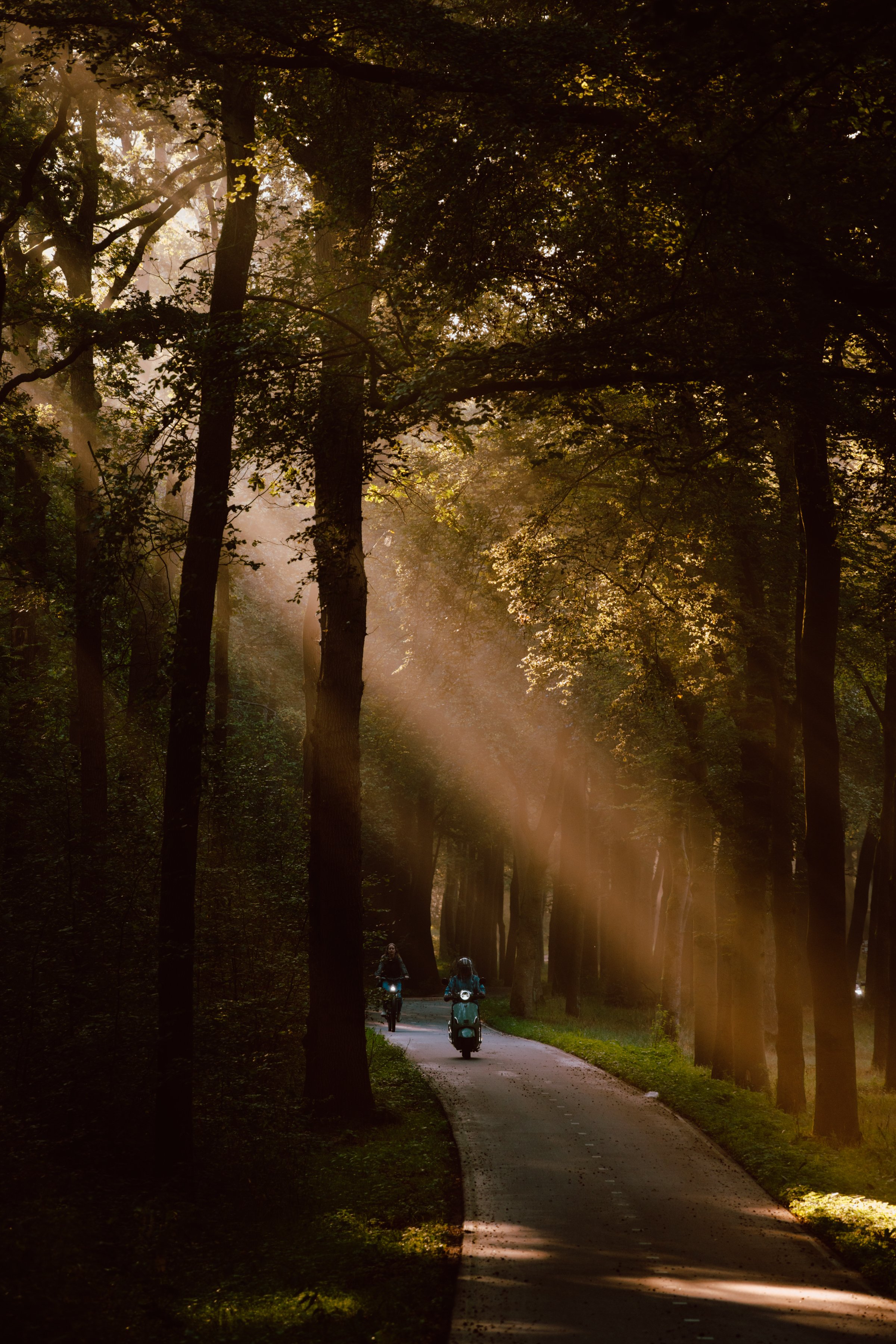
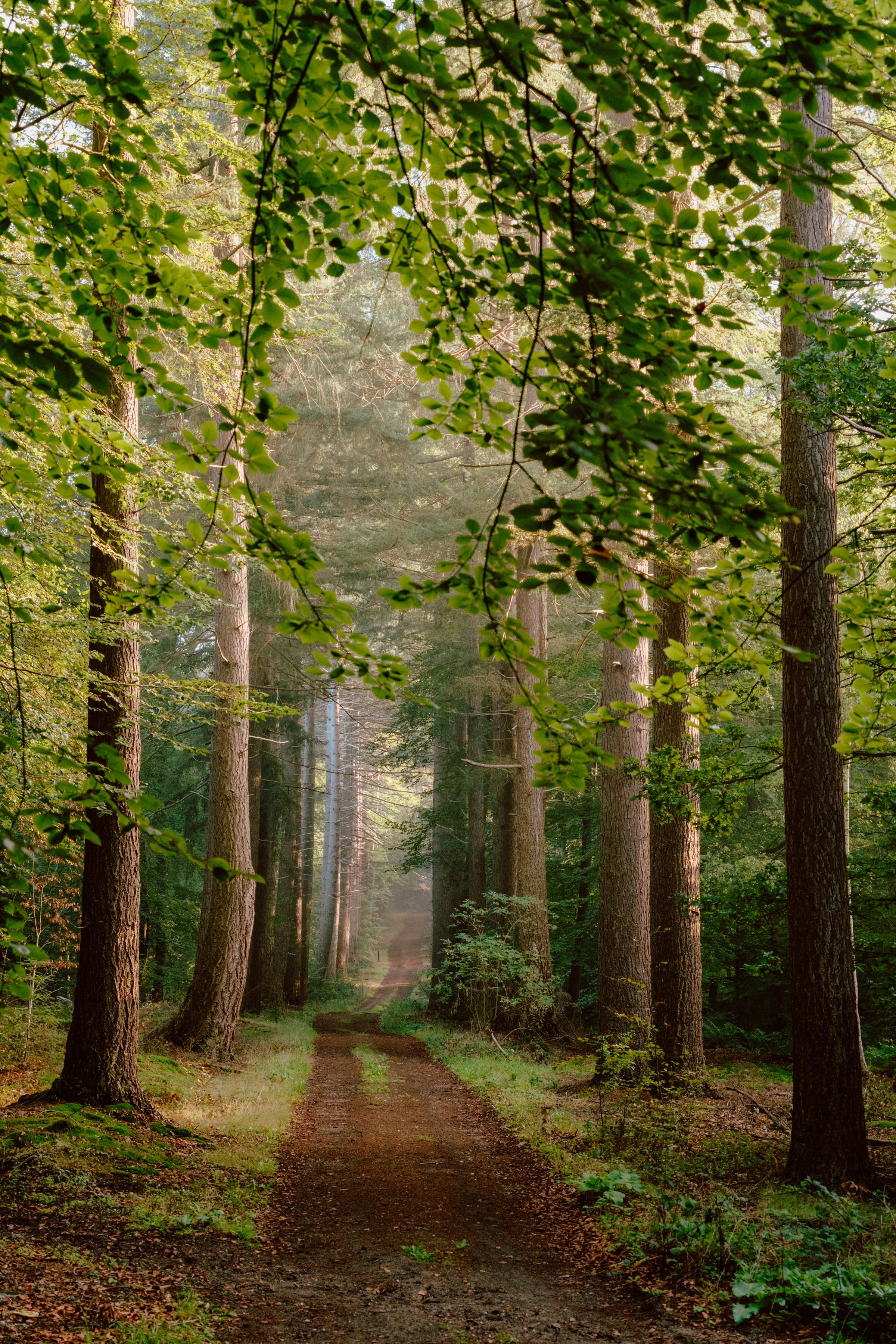
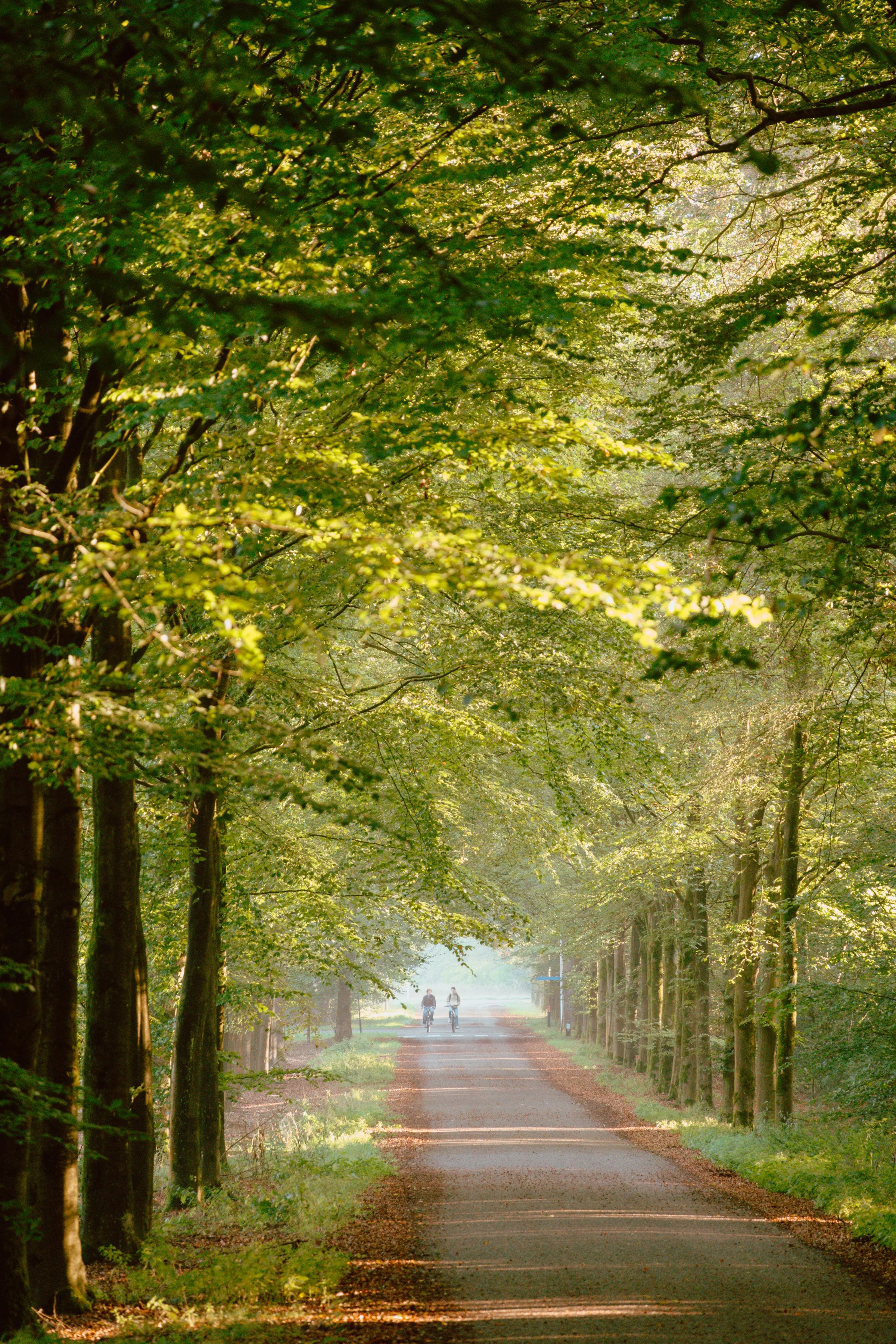
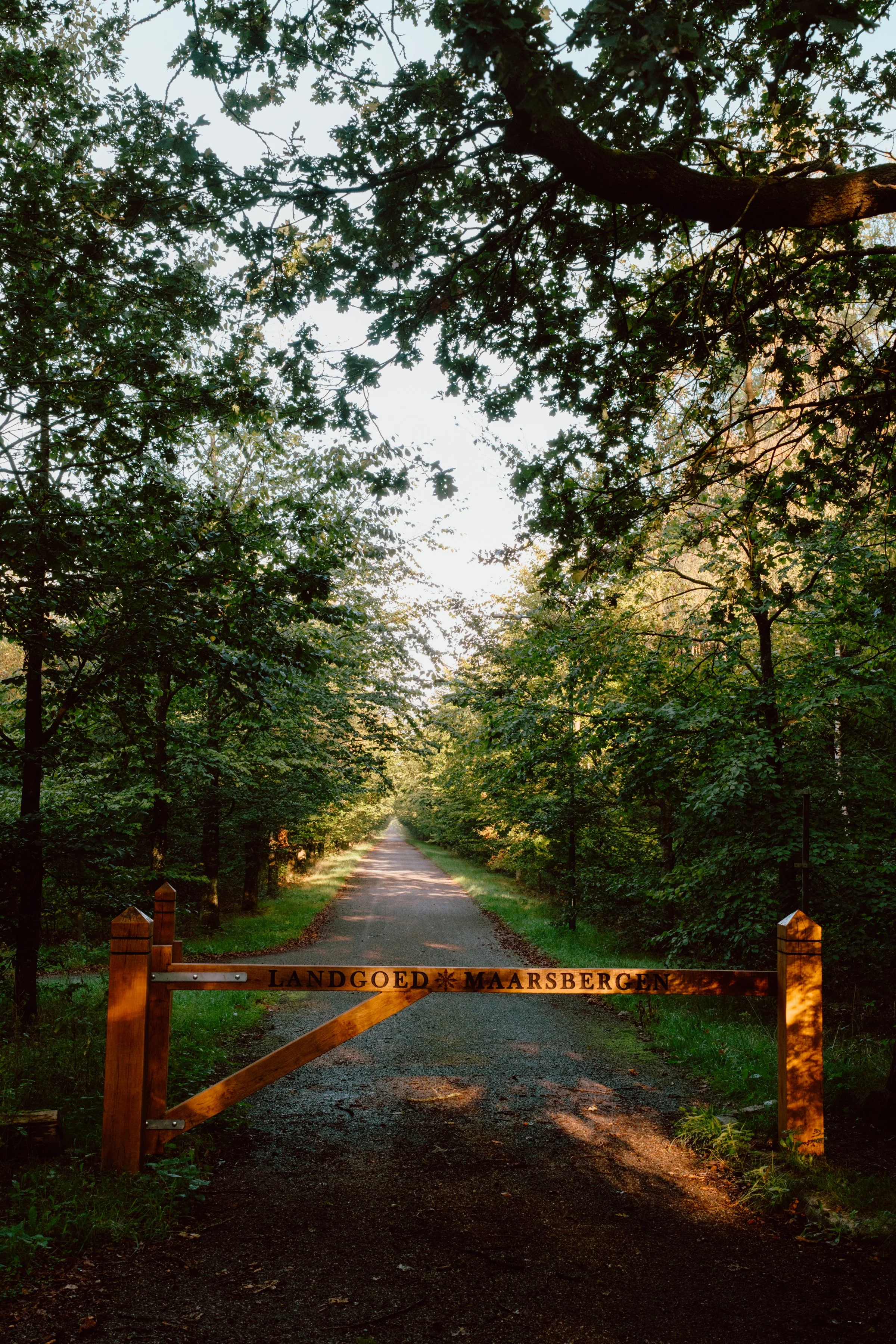
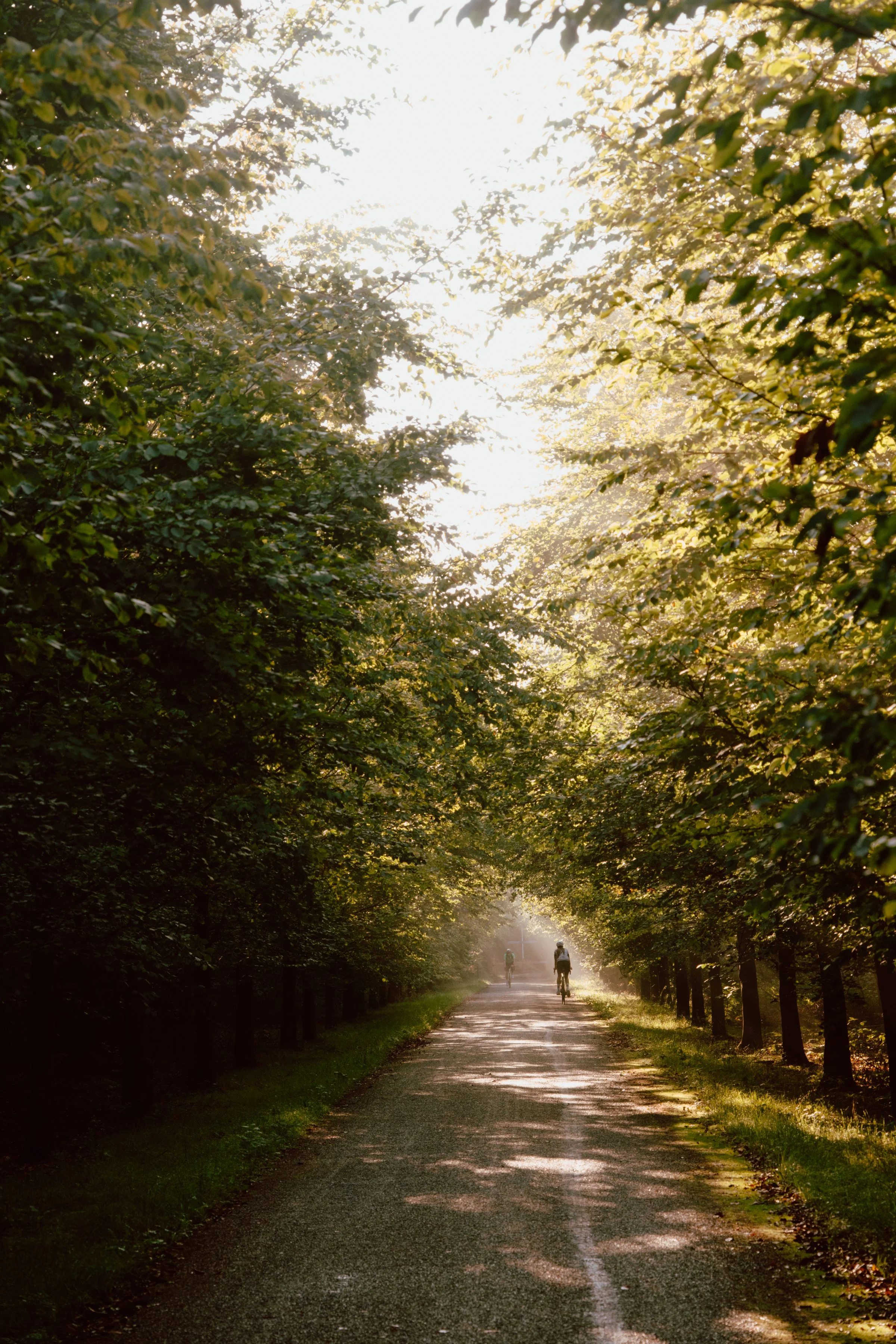
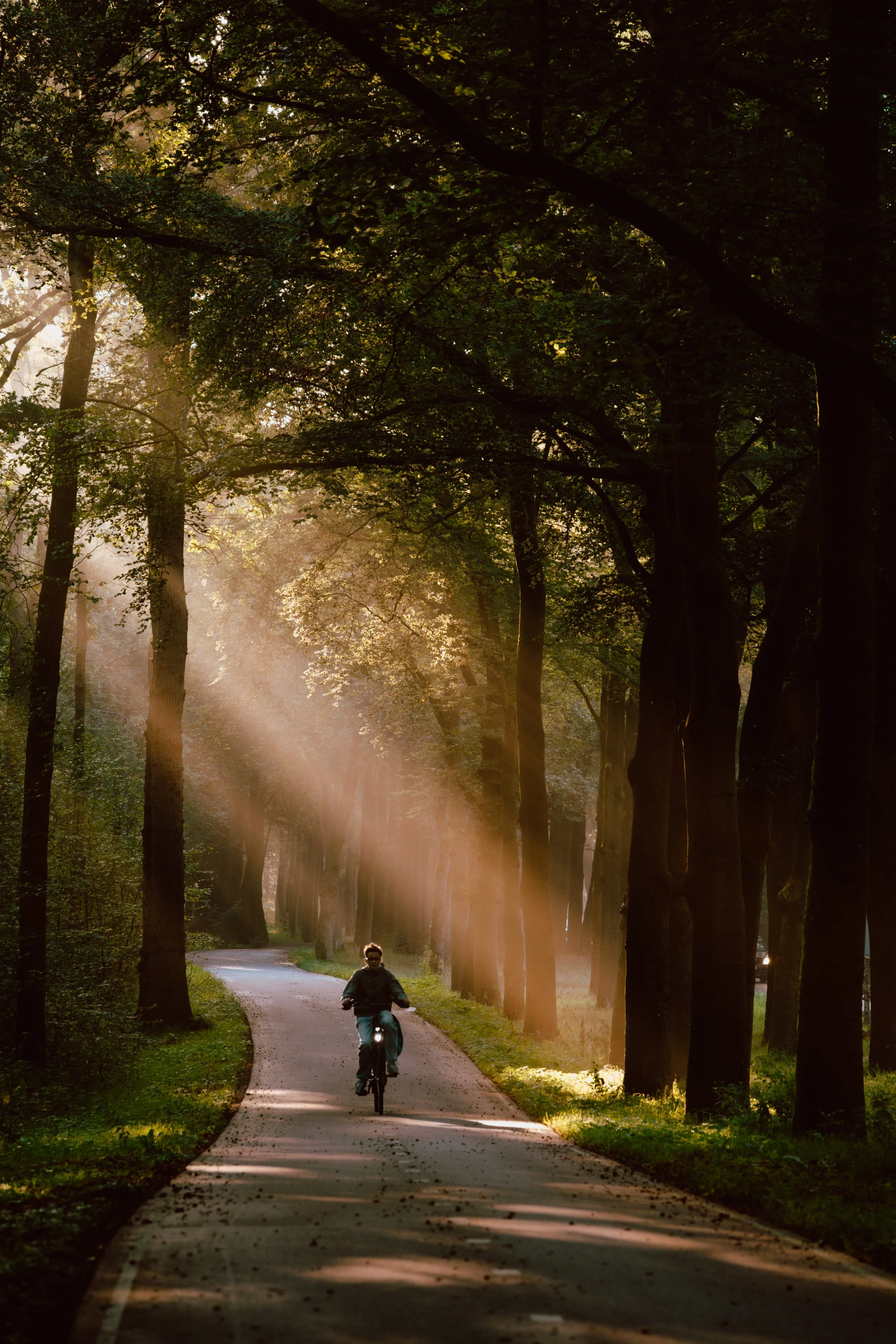
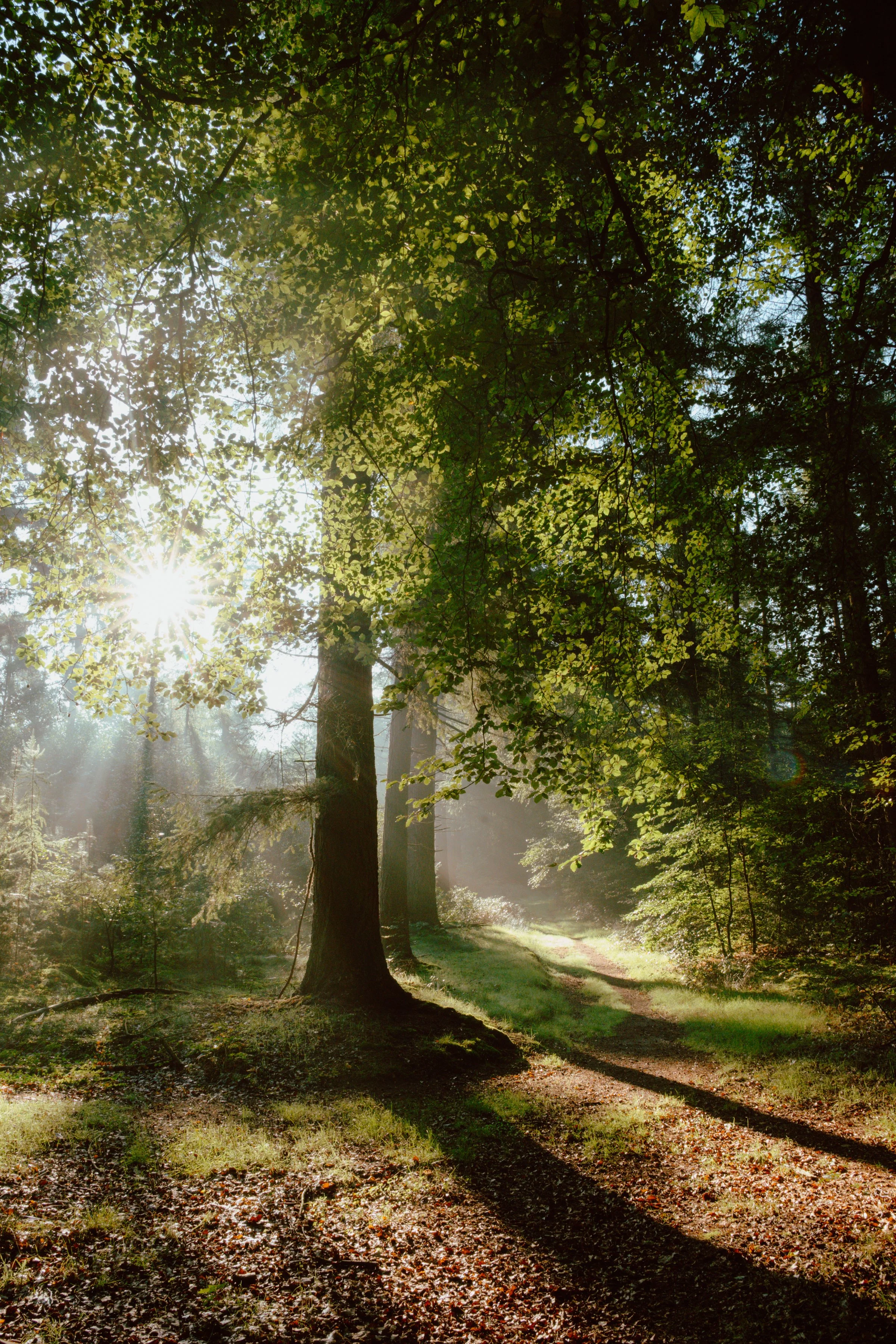
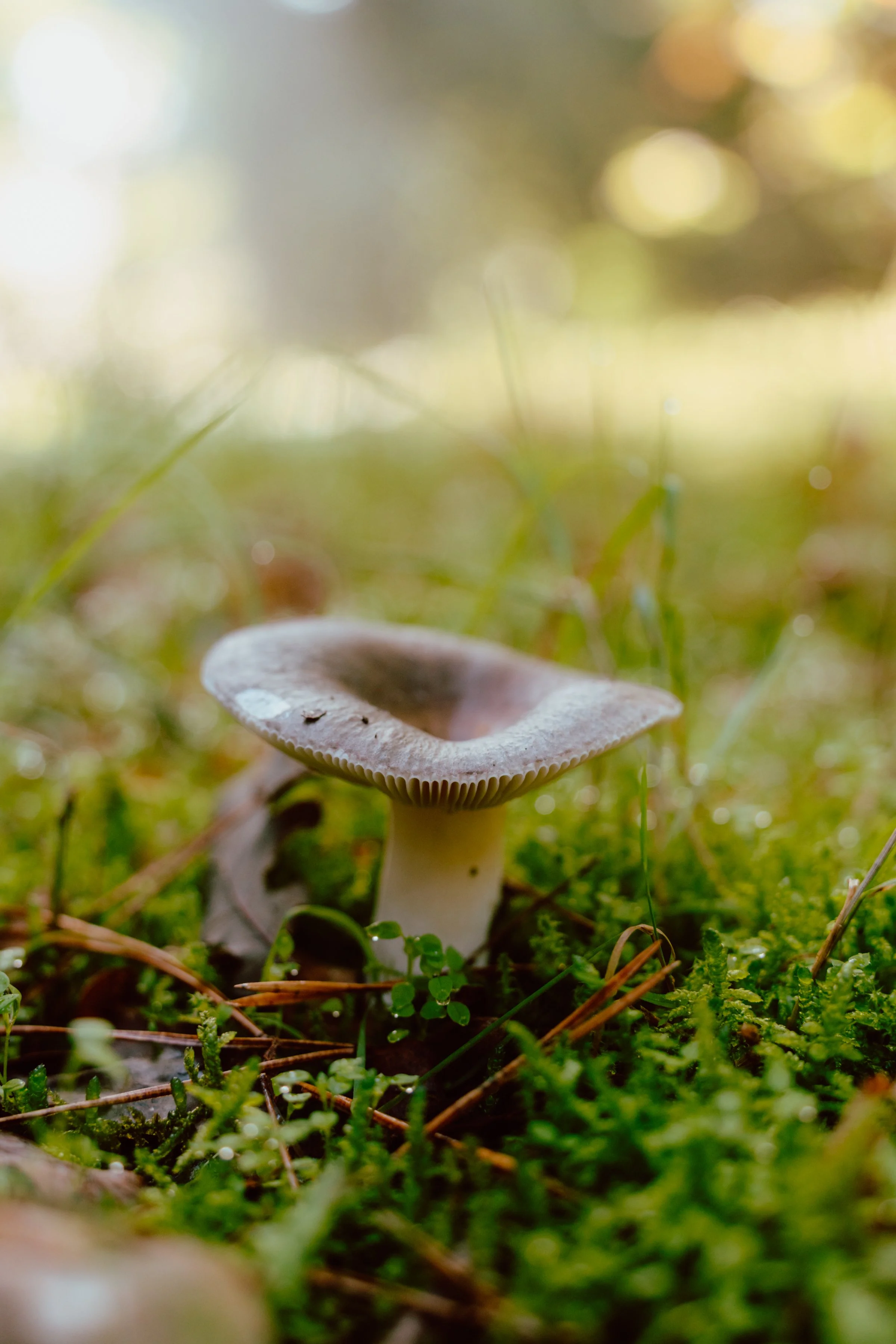
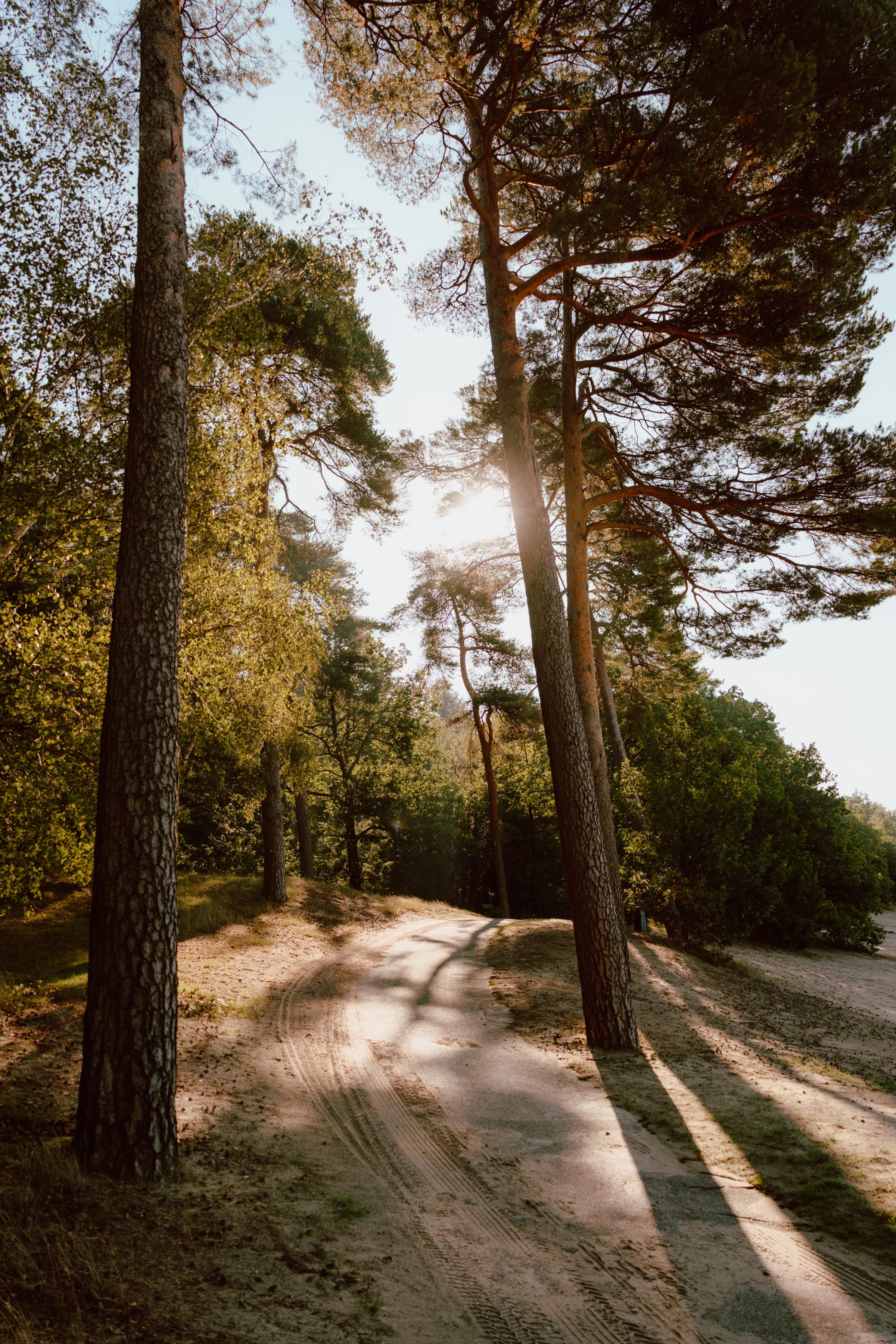
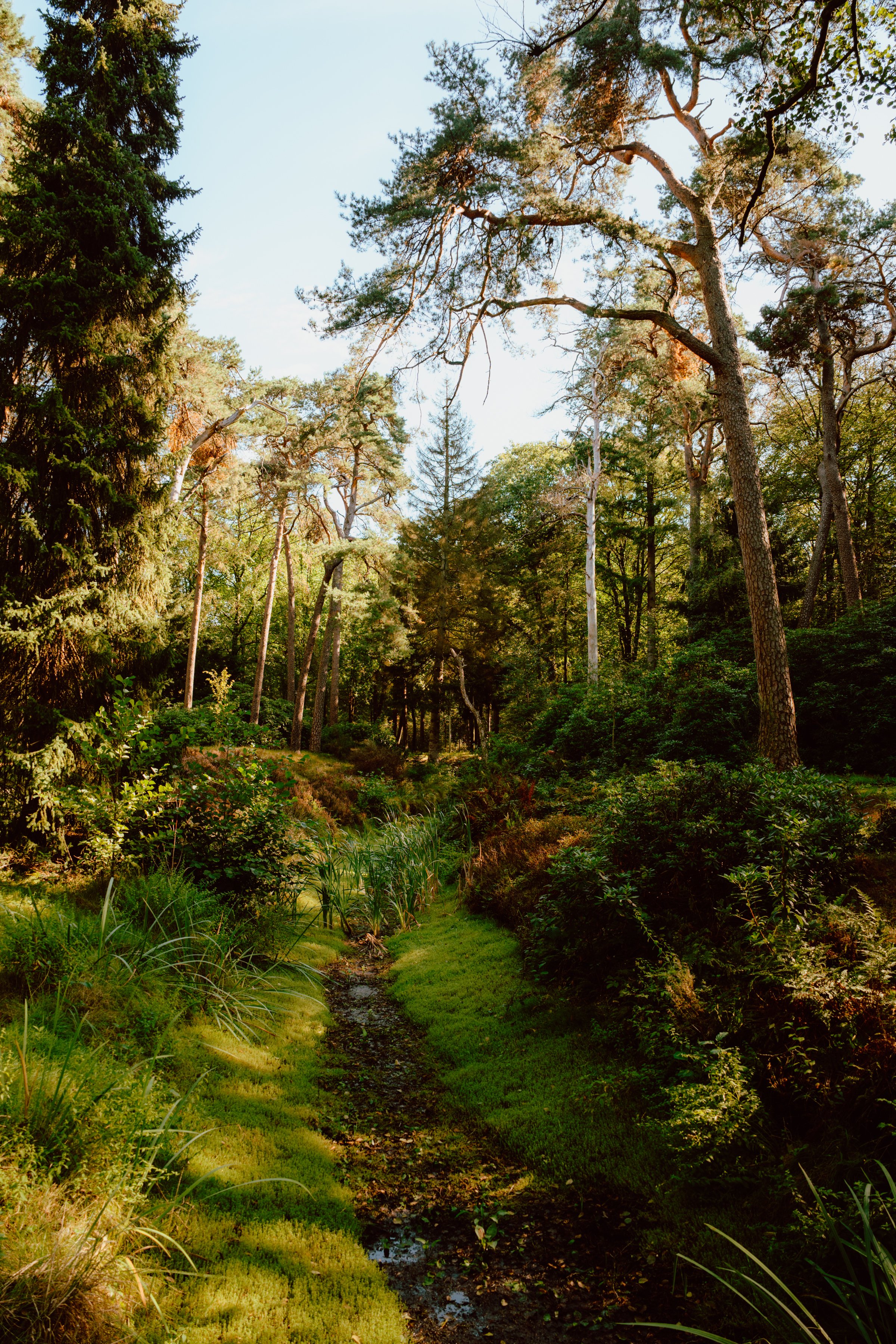
Having arrived in Doorn at the AirBNB that was perhaps my favorite of the entire trip (there’s some photos of it further along this post), I spent my first evening walking around the area in the Kaapse Bossen, and I did the same thing the next morning on my last full day of the trip. As I didn’t know the area that well, I’d looked up a few landmarks, and ended up just cycling and walking through the Kaapse bossen, enjoying the woods in their late summer state and some of the prettiest morning light I’d seen this trip:
HEnschotermeer
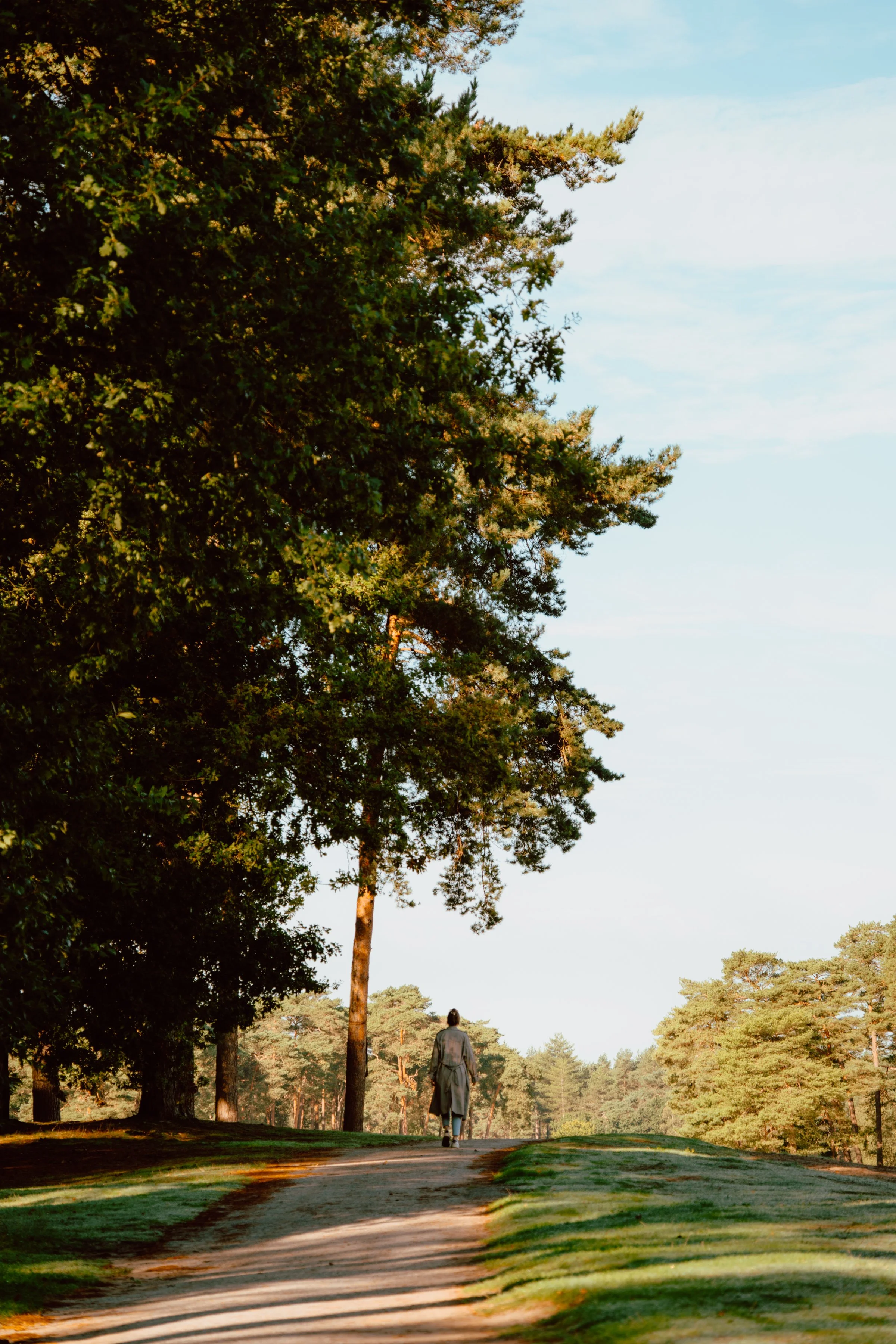
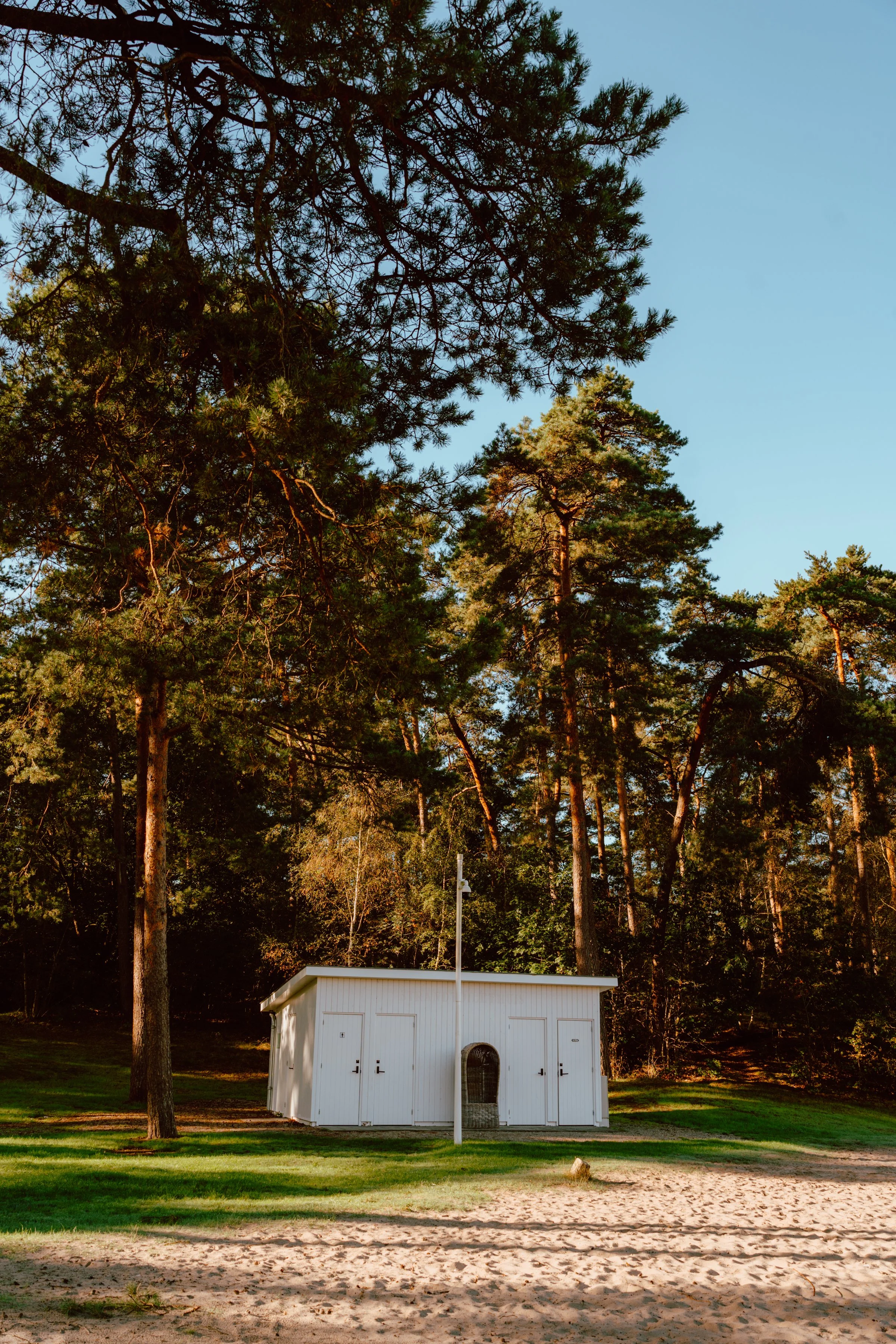
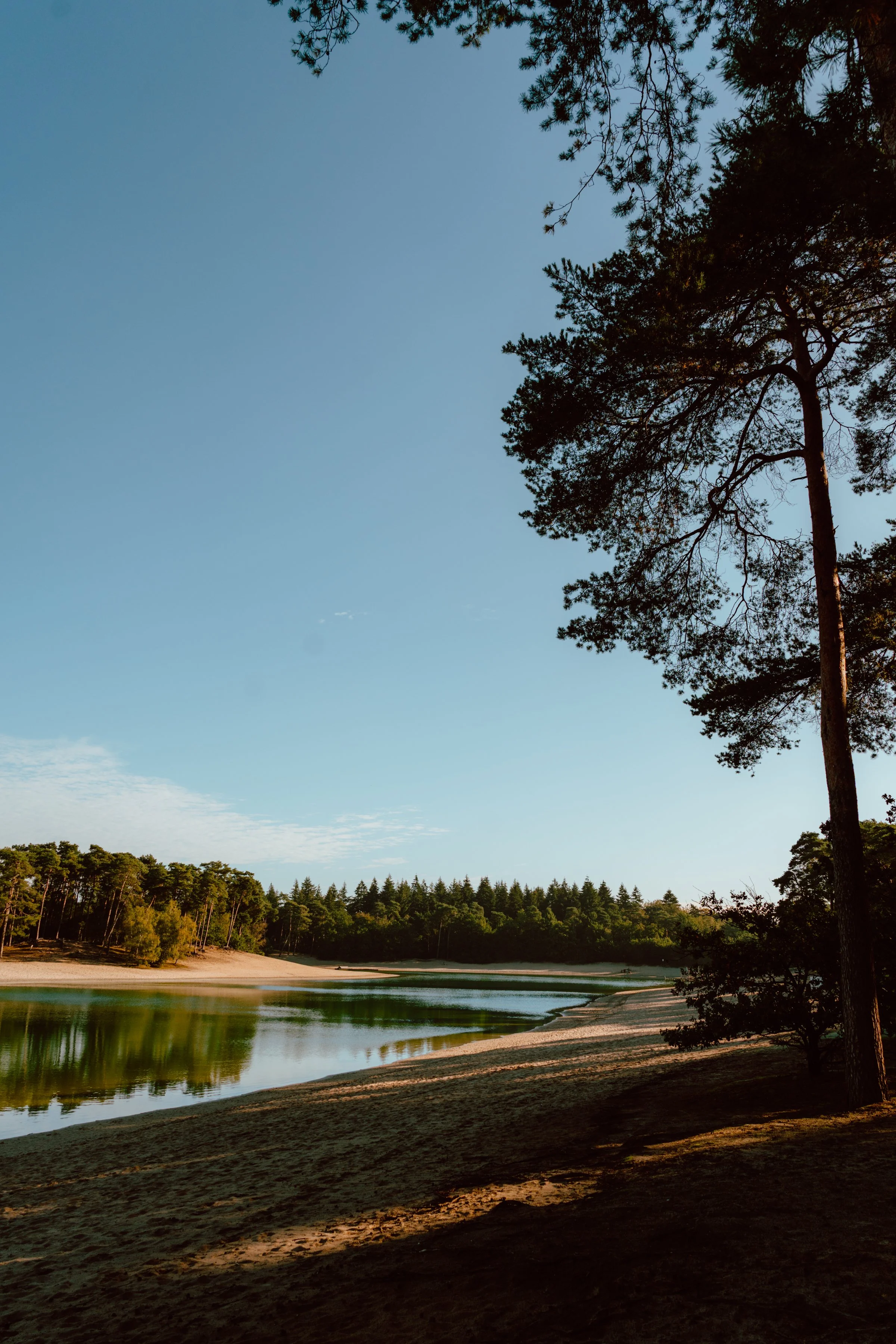
Later that morning, I visited the Henschotermeer, a lovely recreational lake on the Utrechtse heuvelrug that I had seen before on social media and wanted to visit when in the area. It was really quiet there this time of year, I can only imagine what it would be like on a hot day during summer holiday.
Driebergen
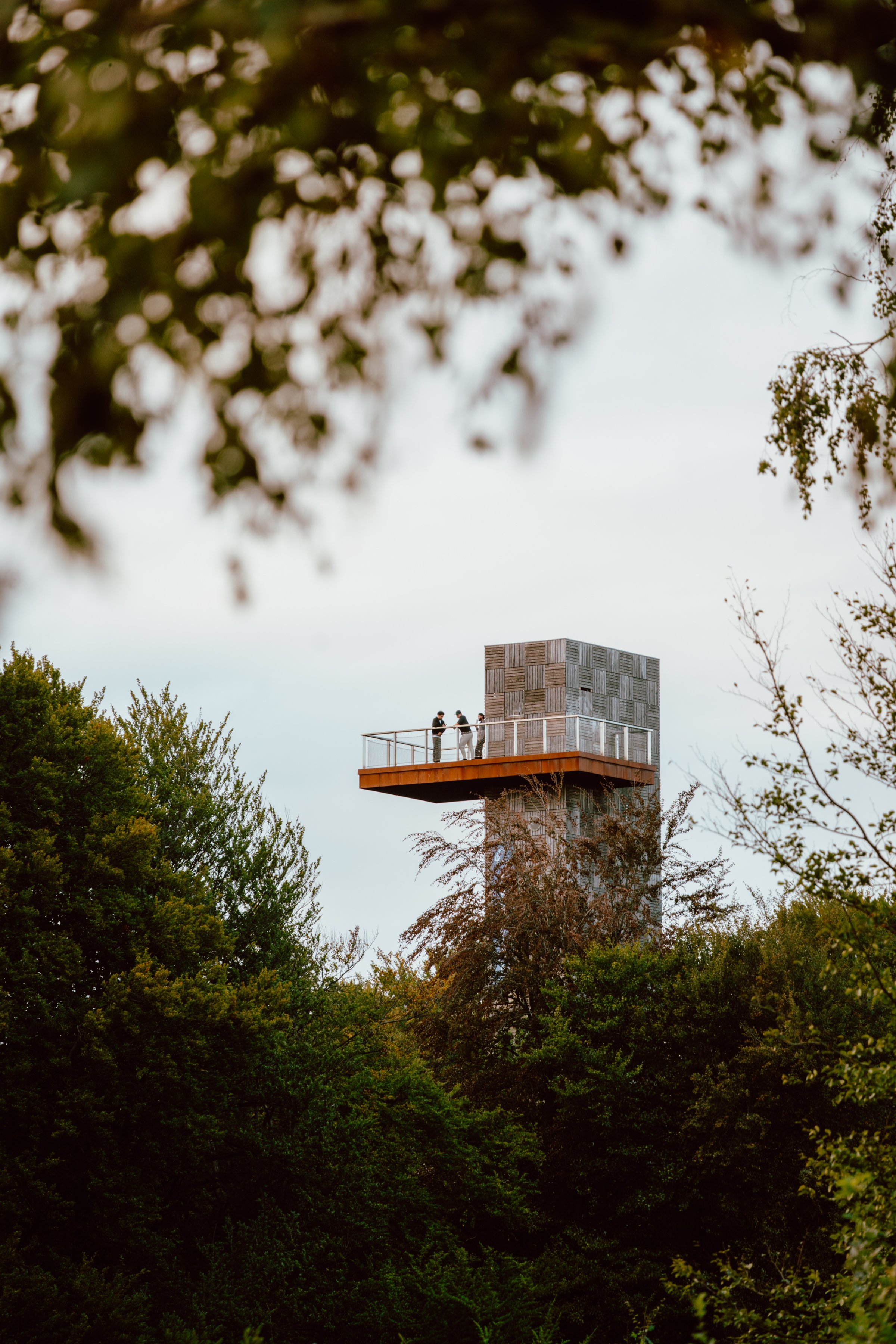
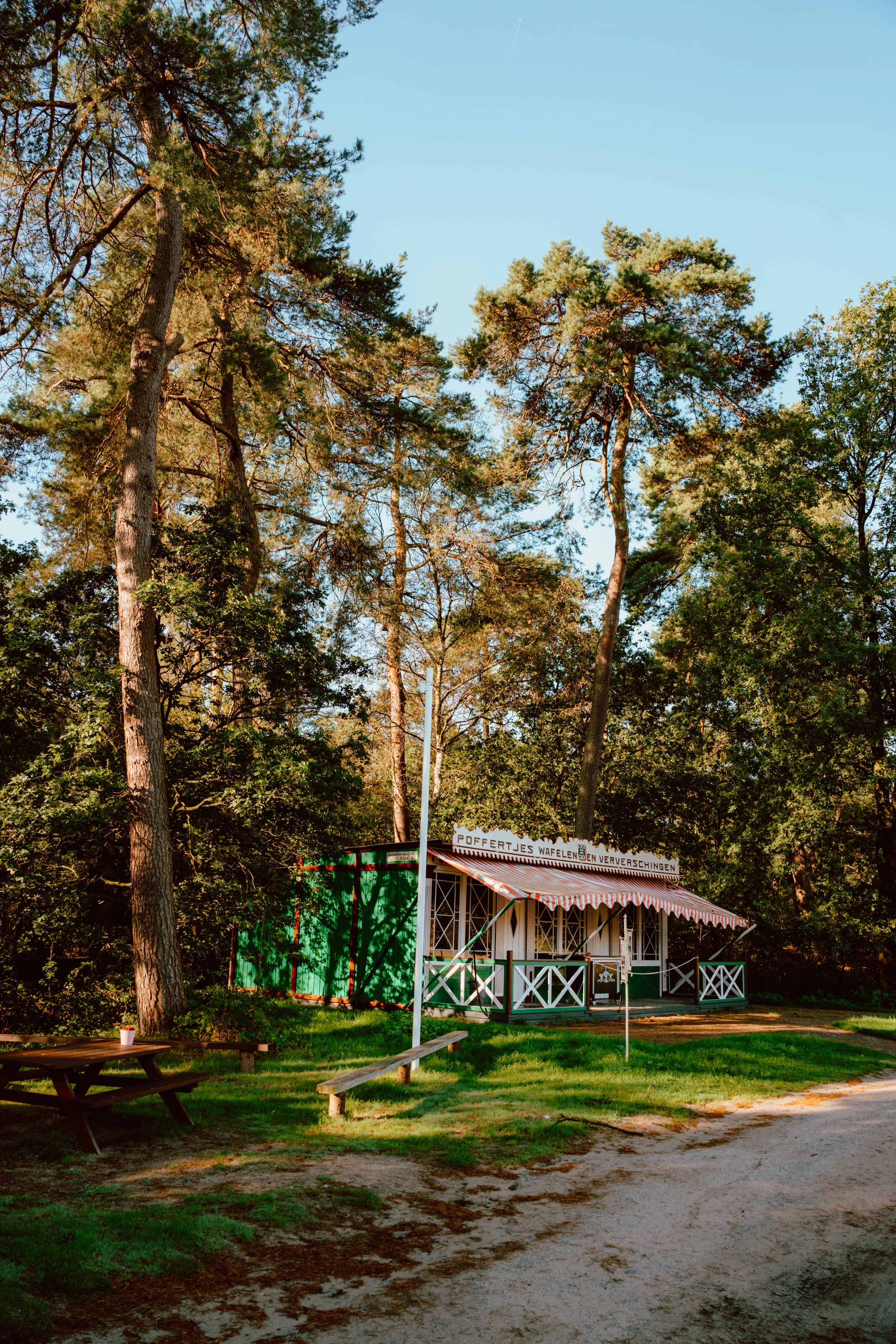
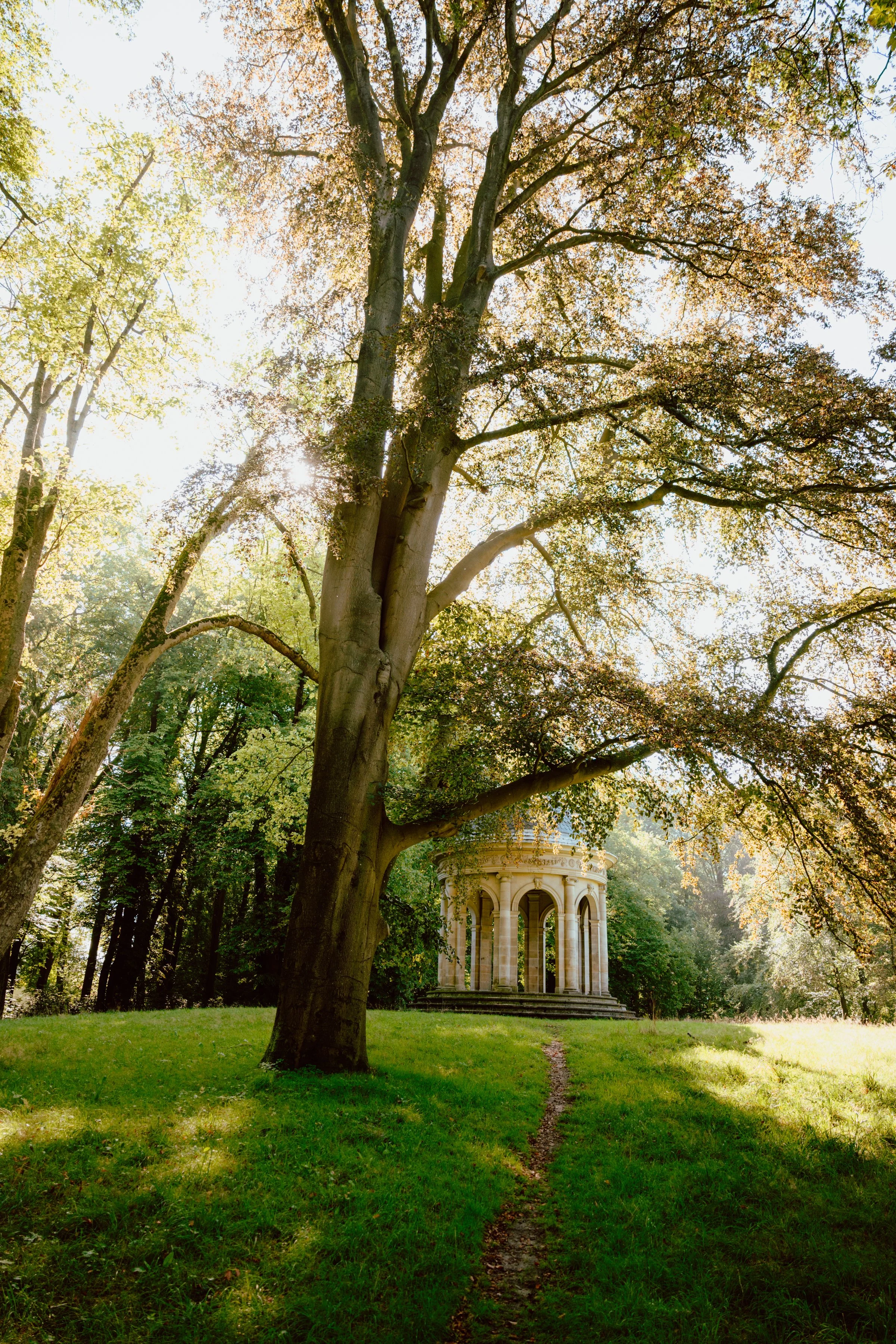
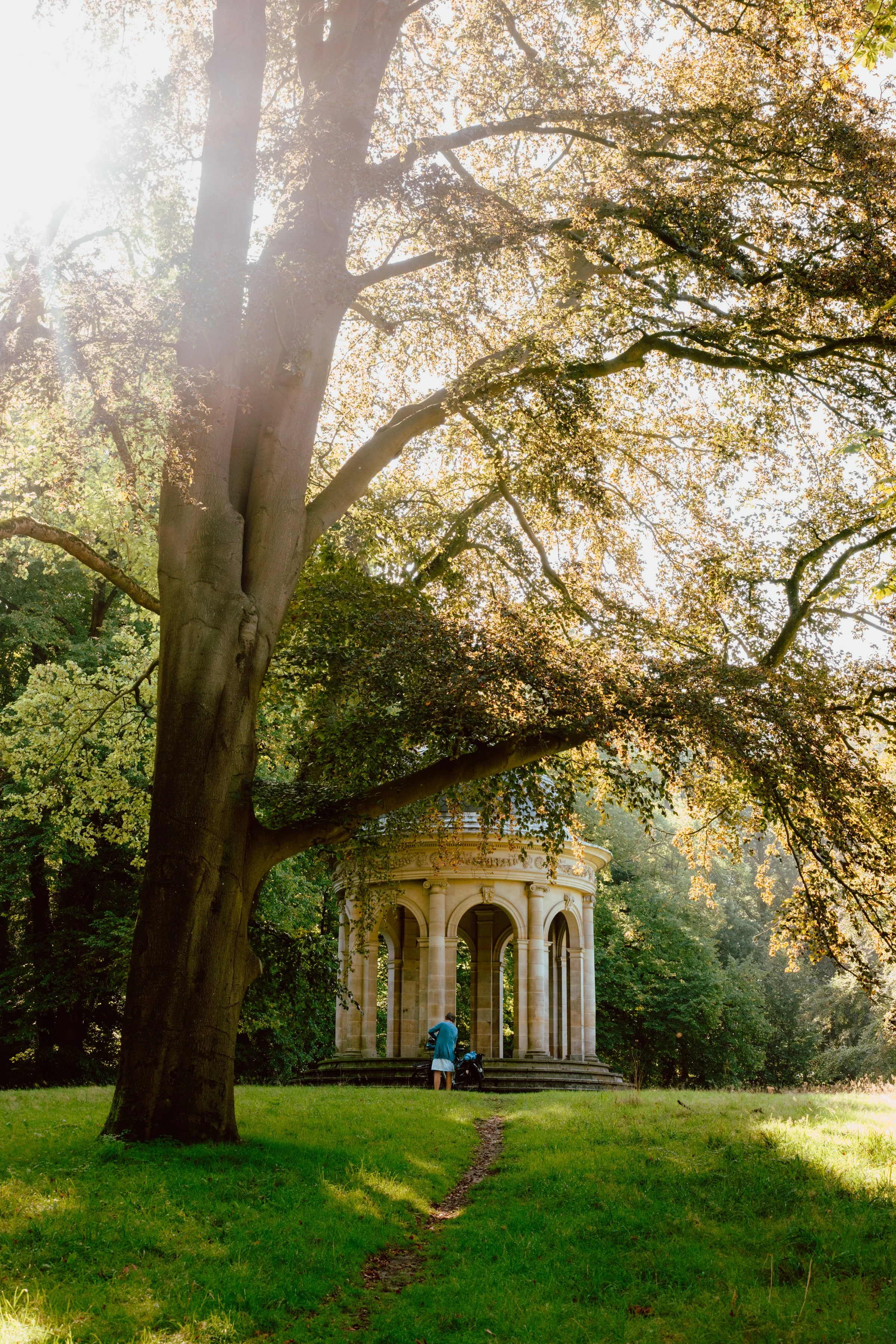
Given how nice the weather was on that last full day of my trip, I cycled around for most of the day, enjoying the light and the beautiful forest scenes. I made my way to Driebergen, which I only know from coming there once or twice a week for work, and never explored much further. I stopped at Beerschoten-Willinkshof, where you’ll find this wonderful small pavilion (photo 3 + 5).
‘Huisje heerlijk’
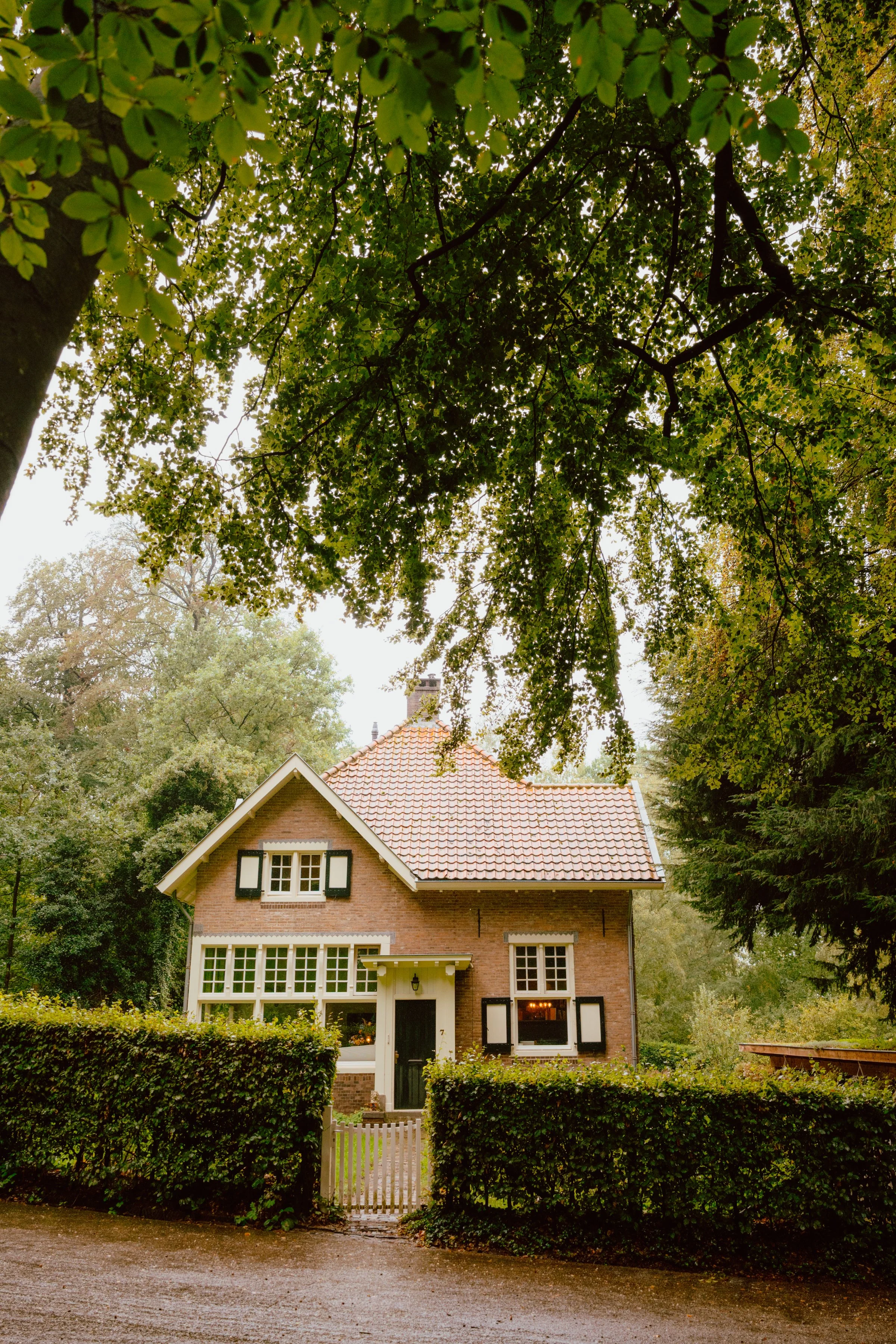
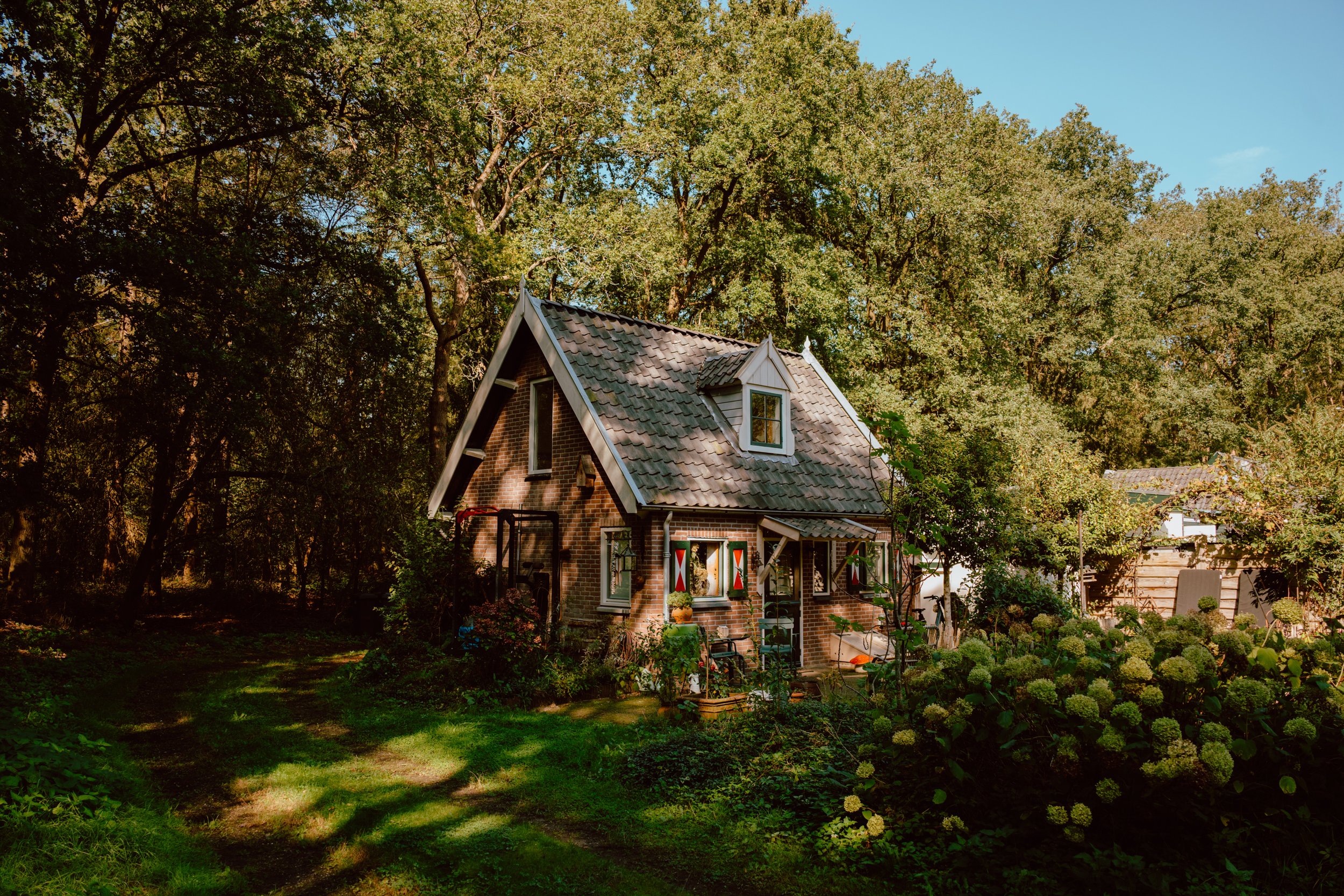
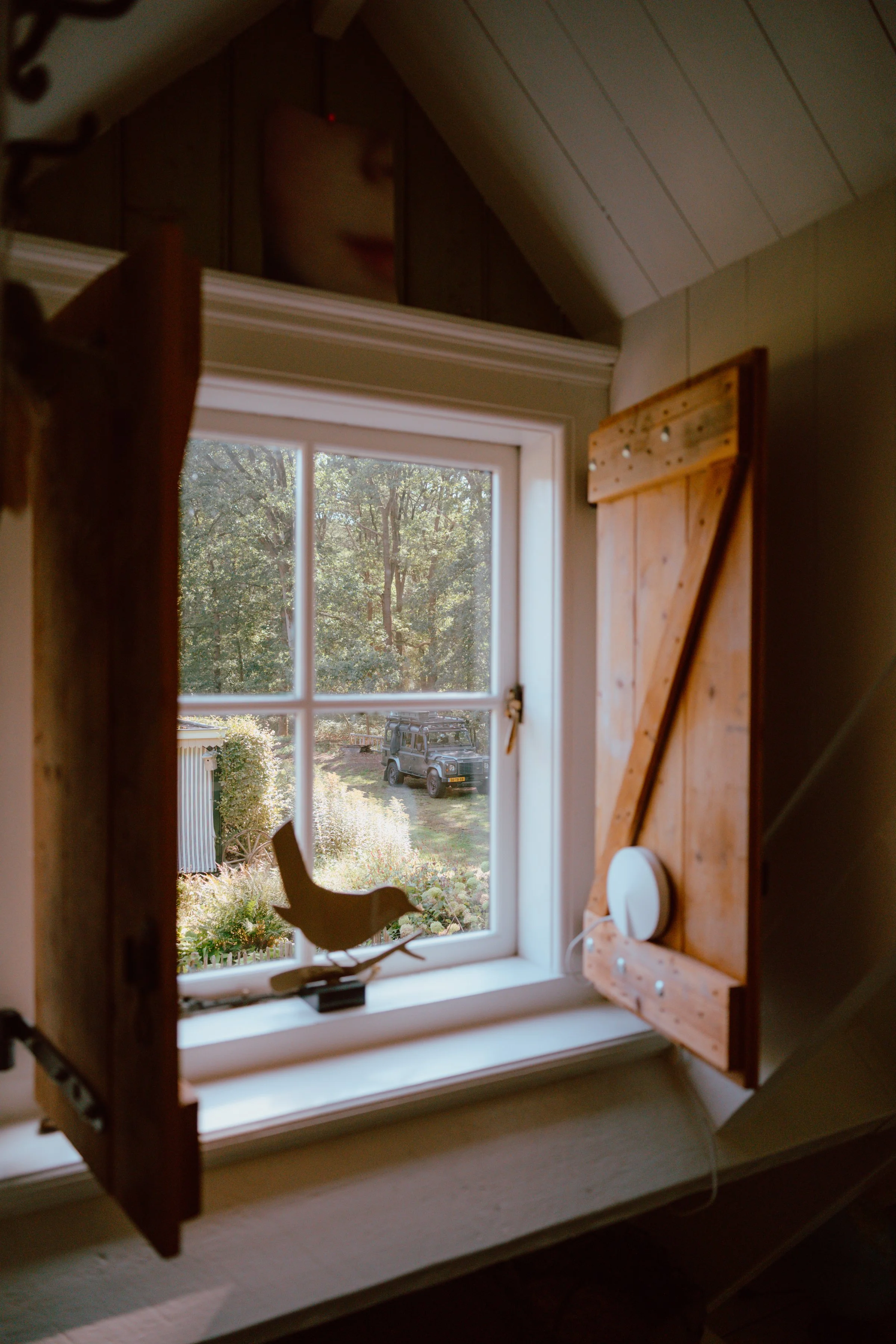
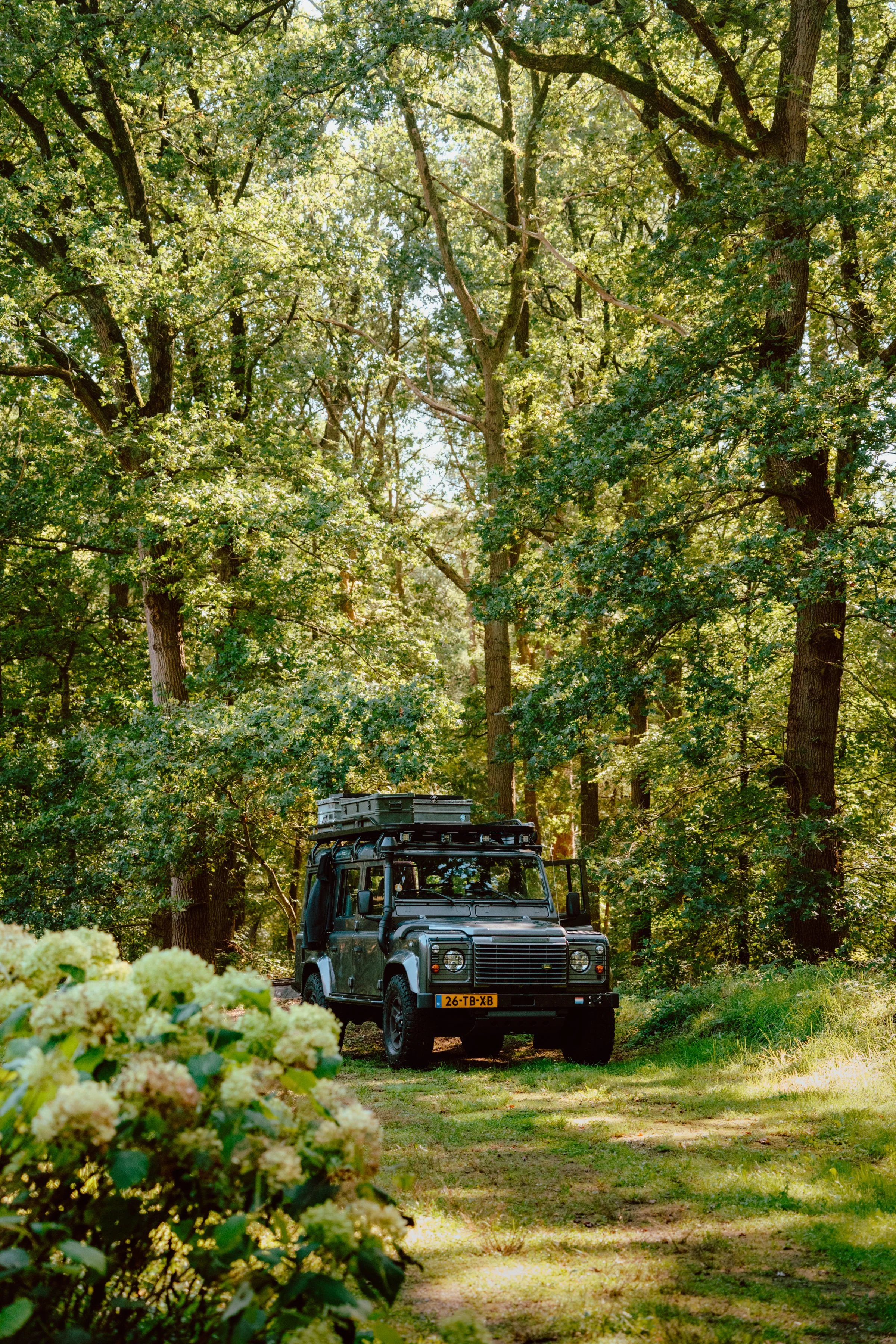
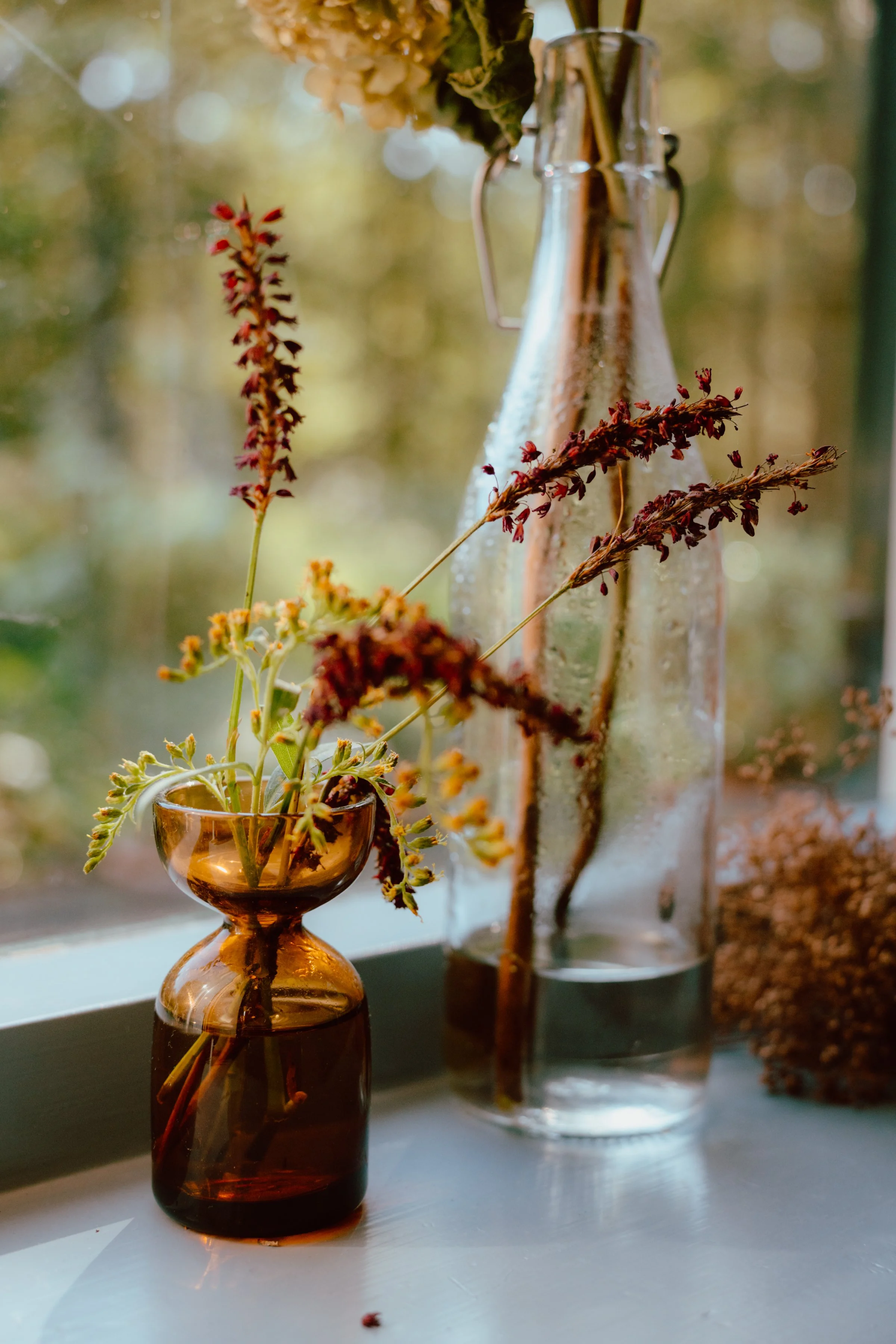
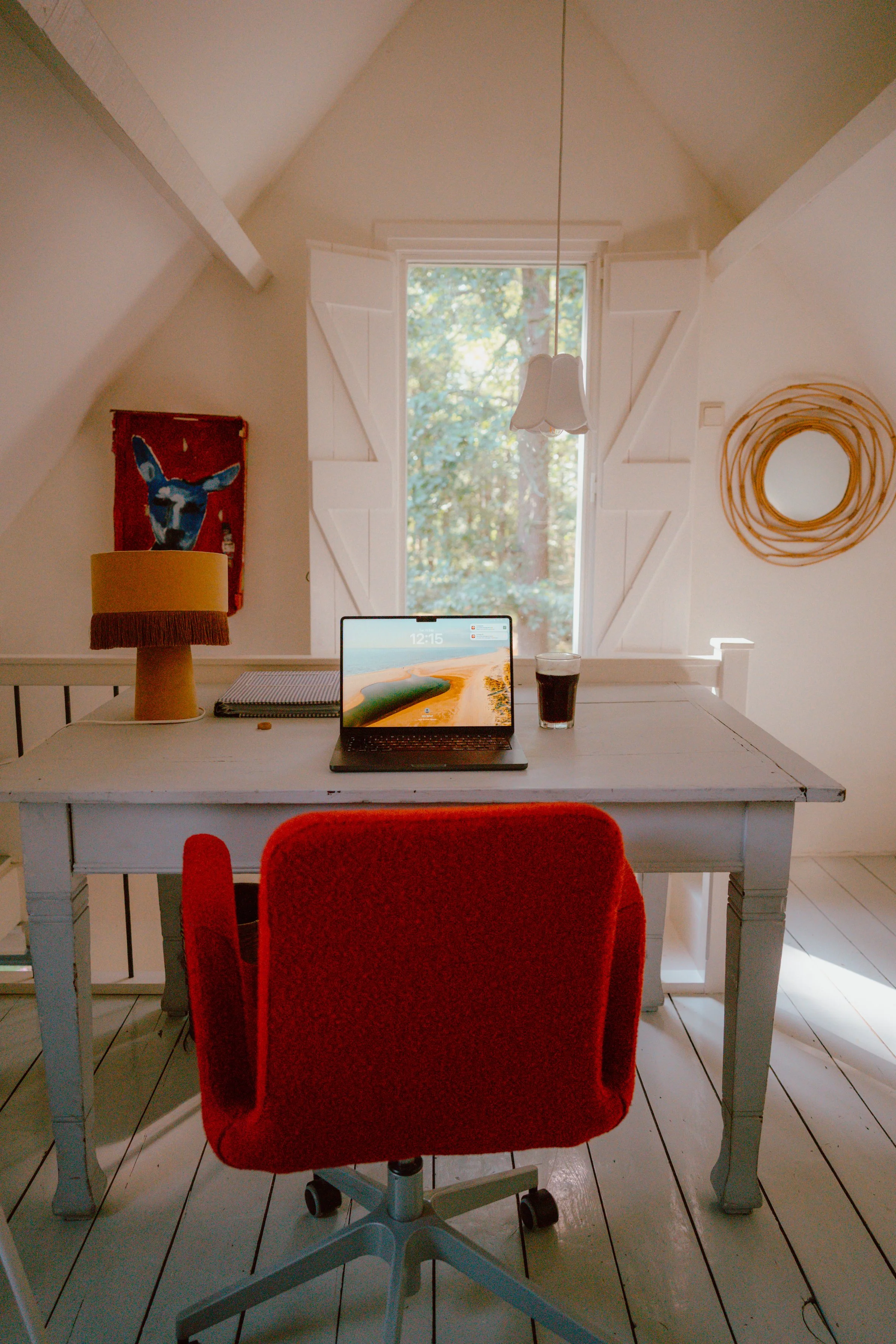
As mentioned, the last stay of this trip, at ‘Huisje Heerlijk’, was probably my favorite of the trip. Right in the middle of the woods, this beautiful small house with loads of history (which the owners have documented very well, I enjoyed reading all about it when I was there) is a gem, I’ll absolutely stay here again sometimes in the future.
When can I go again?!
This 11-day cycling trip has been a first of its kind for me. As stated in the intro of this post, my goal was to slow down: to avoid urban areas and highways, to be in nature as much as possible, outside the fringes of densely populated areas. And to discover how much nature there still is in the Netherlands, and to share it with you through my photography. I feel like all of that is exactly what I did. And even though I’m generally quite aware of just how beautiful nature is in the Netherlands, I surprised myself at least once a day evyerday during this trip, realizing just how nice our tiny patch of land here on the North sea is, if you take the time to explore and be present.
I’ve already started planning my next cycling trip with my camera in my mind, exploring more of the Netherlands, and who knows, perhaps beyond?
Practical information
From left to right (or top to bottom, if you’re on a small screen):
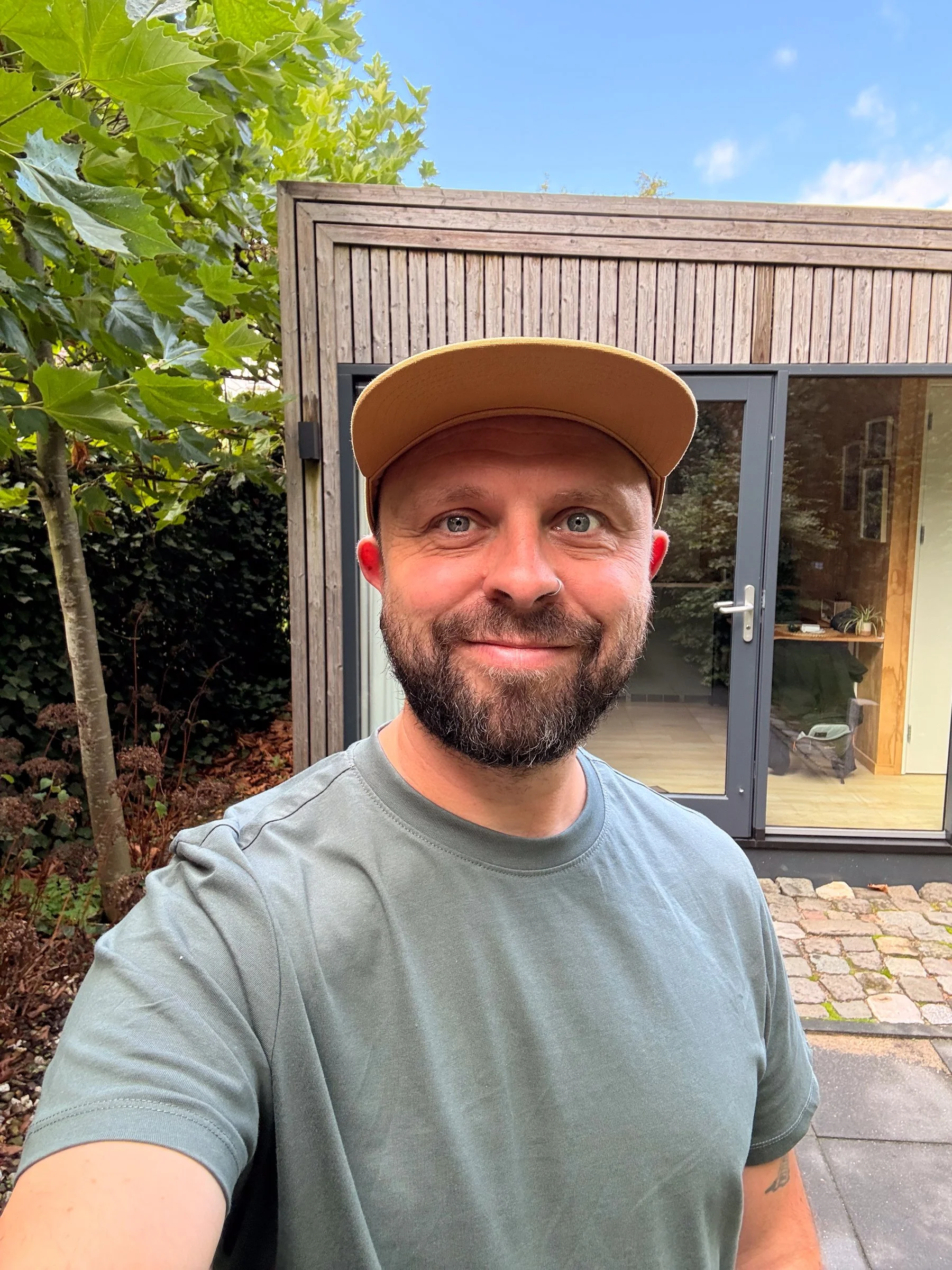
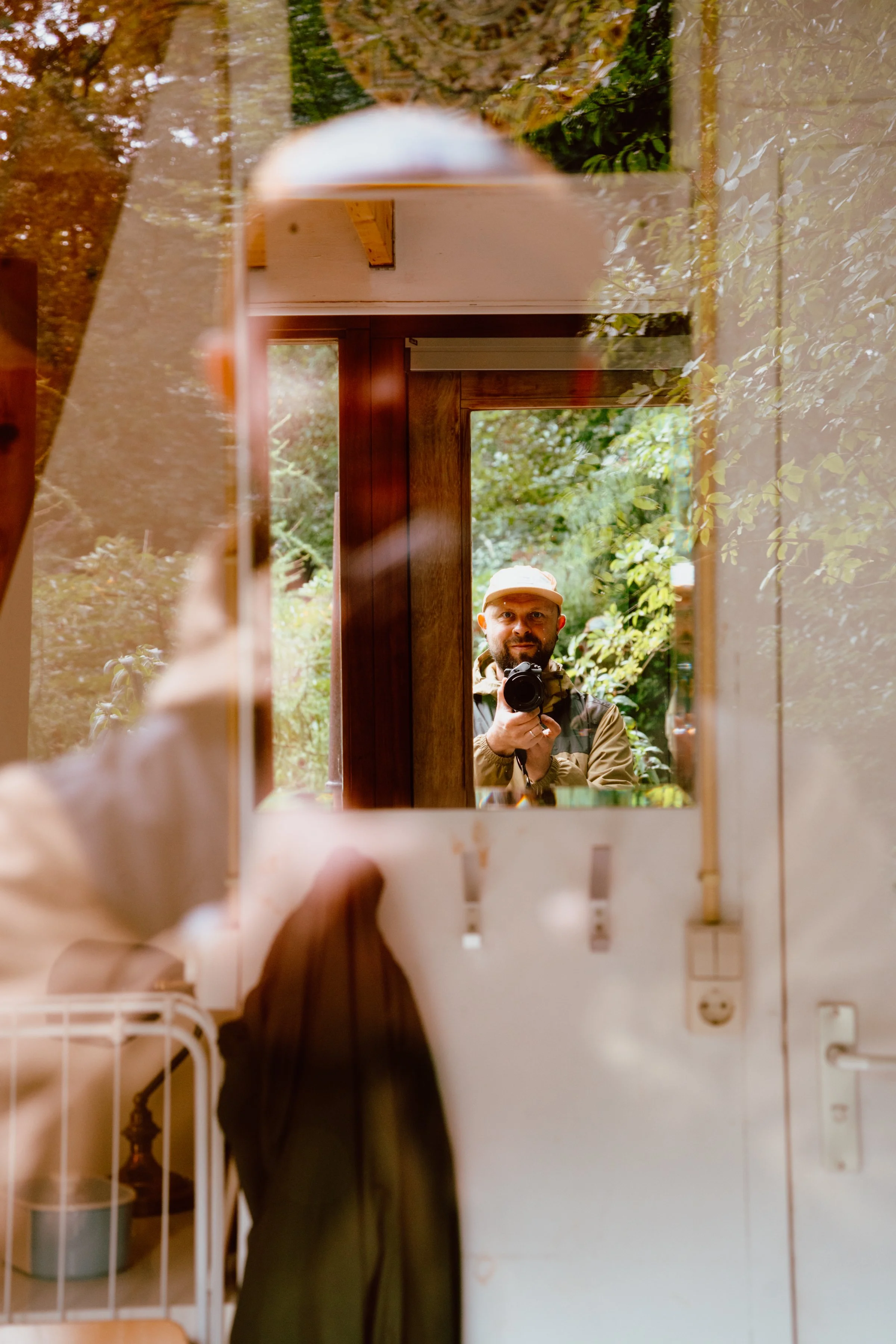
That’s me in the first photo. Hi! My name is Bart-Jan Verhoef. You can find more about me on the about page of this website.
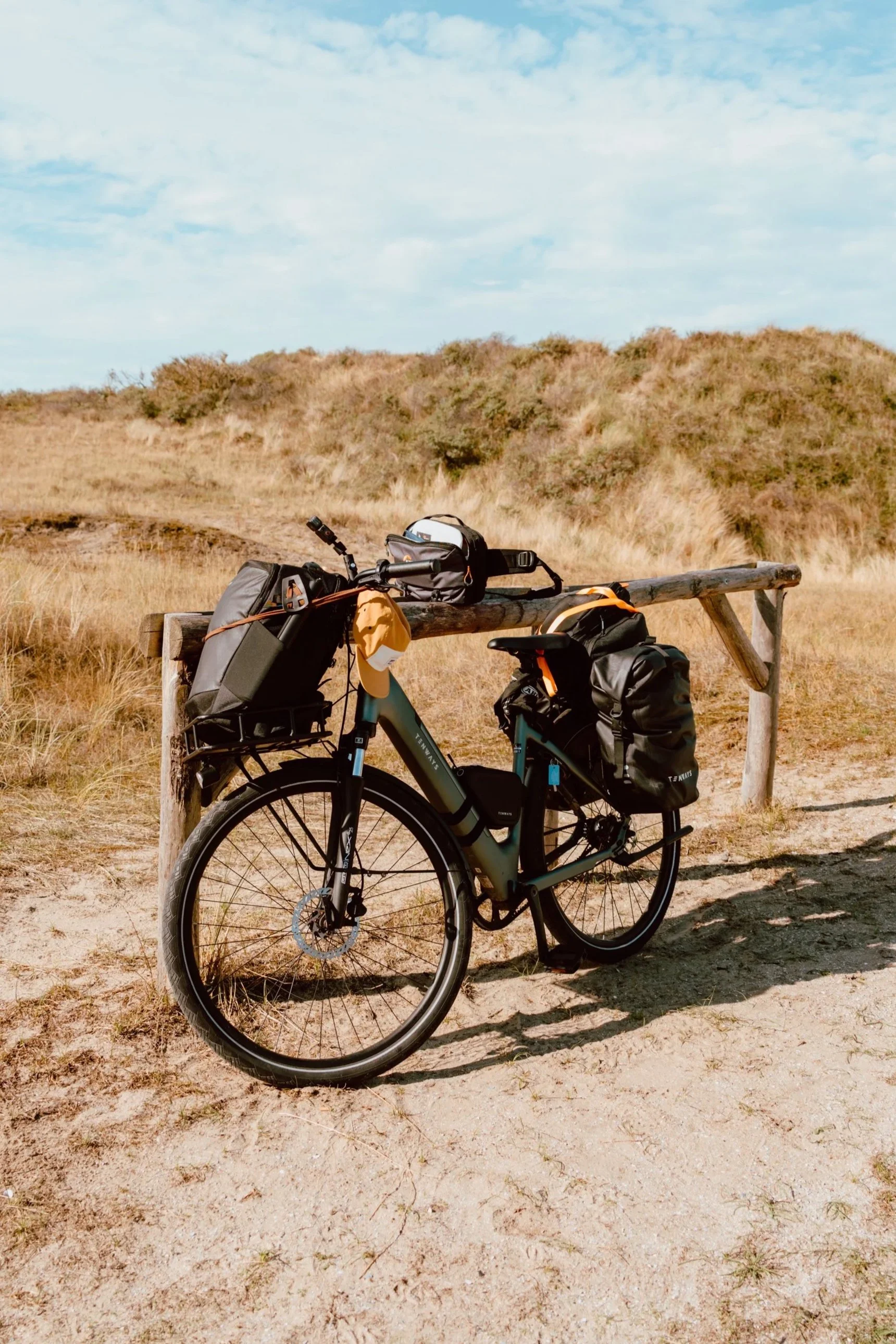
Next, that’s my Tenways CGO800s electric bicycle. It’s my daily bike and with its great battery range (I’d say all packed I did about 70 kilomters on a single charge) it served me well on this trip as well. I packed it with 2 large Tenways pannier bags attached to the back sides and a Basil Move luggage carrier bag 10-26L on top of that on the carrier. I used a tension strap to secure the carrier bag because it didn’t quite locked into place with those pannier bags poking out above the carrier. Not ideal, but it worked just fine. I packed the pannier bags with clothes, some tools, toiletries, chargers for everything and a few tools and things for my bicycle. The easy accessible carrier on top held all my food and water. Mostly a supply of nuts, energy bars, cold water for hydration and some hot water for making coffee or an instant meal along the way.
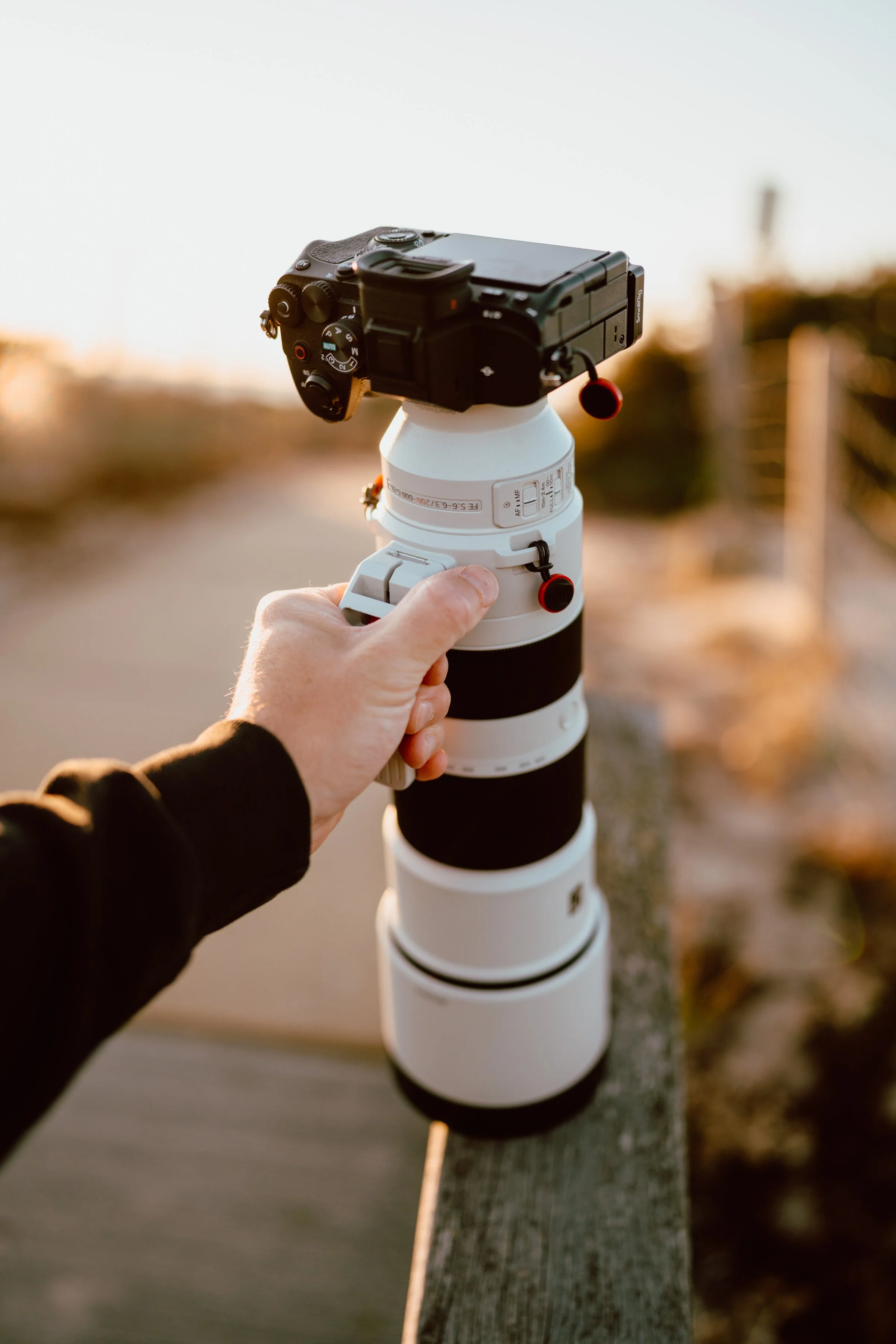
Strapped to the Tenways front carrier is my Lowepro Flipside 400 AW III camera bag. It’s not a perfect bag, but it comes pretty close for me. After having used a Lowepro Flipside 300 AW III for years, I recently upgraded to this slightly larger, but otherwise completely similar bag. Its single—but higly important to me—advantage is that it fits my telephoto lens with body attached (see 4th photo) comfortably. Which means I can grab that easily without having to connect and disconnect everything, saving me both time and a pile of dust on my sensor. Besides the telephoto/body combo, it housed a second camera body, 2 more lenses, a drone + remote, filters and batteries for all of it, as well as my 14" Macbook Pro. It did make front wheel a bit shaky from all the weight, but with both hands on the handlebars it was all good.
finally then packing wise, I carried a Lowepro Trekker Lite SLX 120 sling around my shoulder, that I used to hold small stuff like my wallet, passport, sunglasses, but also a small DJI Osmo Nano action cam + accessories, and sometimes the 2nd camera body with a compact zoom lens. I’m not much a sling guy usually but for a cycle trip it was very handy. Push it to the back when cycling, pull it to the front to quickly grab a camera or something else without the need to stop; very useful.
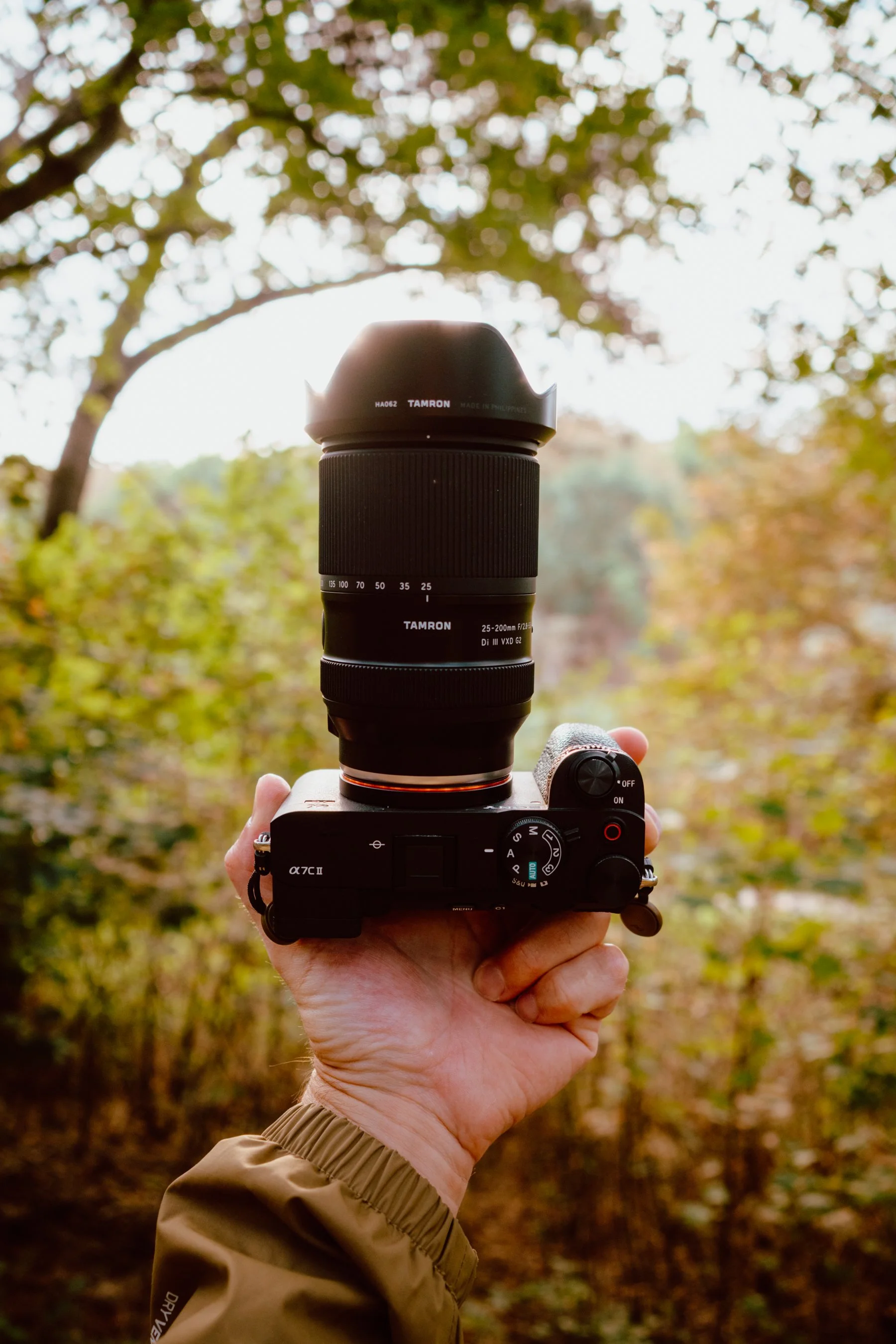
Last but certainly not least then: the photography setup. Probably the one thing that gave me most sleepless nights before going. I pondered and pondered on how to have as much flexibility as possible with the least amount of kit in my bag. That and limiting the extra investment required just for the trip. I ended up with this: as pictured in photo nr 4, my Sony A7IV + 200-600mm telephoto lens, the biggest and heaviest part of the bag, but also a combo I already owned and just had no alternative for when it came to capturing wildlife. Then, as a 2nd camera I brought my Sony A7C II (see photo nr 3) that I also already owned. Then, while dreaming of owning and bringing a 24-70mm f/2.8 + 70-200mm f/2.8 for the entire other part of the range for landscapes, details and whatnot, I settled on the Tamron 25-200mm F/2.8-5.6 as my one-lens-to-do-it-all instead (see photo nr 3). I bought that a month before my trip and was able to give it a proper test run beforehand. While certainly not perfect, I’ll say it’s a perfectly reliable allround zoom lens and for something like this, the compact size, small weight and decent pricing makes it tough to beat. I did also bring my favorite prime, the Sony 35mm f/1.4 GM, just because I was scared the Tamron might not cut it for everything quality wise (it did just fine) and I’d want to use the 35mm prime sometimes instead (I pretty much didn’t). Finally, I had my DJI Mini 4 PRO with the DJI RC 2 with me, which I ended not using at all — I kinda knew beforehand, but any dutch nature reserve is off-limits for drones, and since I spent most of my times in nature reserves and couldn’t be bothered finding spots just outside of those where I could safely get it up quickly for some additional shots, which obviously you can as a workaround, I just kept it in the bag.
Some final thoughts: on my next trip, I’d try to cut back on weight where possible even more. Especially over the front of the bicycle, the weight quickly affects your balance and its just not great to have a vibrating steering wheel everytime you try to steer with one hand for a bit. This was my first proper bicycle trip, and it really instilled in me that smart packing is an art form. If there’s anything else you’d like to know about what/how/why I packed, used or wish I had brought, let me know in the comments or drop me a line.
